

Layer hens love mealworms, but excitement is not the same as balanced nutrition. For poultry keepers in Kenya, mealworms are a protein-rich supplement, not a replacement for layer mash or pellets. Research by the International Centre of Insect Physiology and Ecology is helping drive local interest in these supplements, including the use of dark mealworms in Kenya to improve flock vitality.
Used well, they can support feather growth, help hens recover from stress or molting, and give birds a useful protein boost when appetite is low. They also fit the broader shift toward sustainable farm feeding in Kenya, where insect protein is gaining ground as a cost-effective and environmentally friendly feed source.
The goal is simple, feed a little, watch your birds, and keep the main ration strong.
Key Takeaways
- Mealworms, including dark mealworms, serve as a high-protein supplement to support feather growth and recovery, but they are not a replacement for a complete layer ration.
- To maintain health and productivity, treats like mealworms should represent no more than 5 to 10 percent of a hen’s daily dietary intake.
- Prioritize feeding complete layer mash or pellets first to ensure hens receive essential calcium and vitamins; serve mealworms only after the main ration has been consumed.
- Proper storage of mealworms is critical, especially in Kenya’s climate, to prevent spoilage and ensure the feed remains safe and nutrient-dense for the flock.
- Monitor flock behavior and egg production closely; if hens show decreased interest in their main feed or a decline in shell quality, reduce the amount of treats immediately.
What layer chickens need first to stay healthy and lay well
A good laying hen needs the basics every day. That means proper layer mash or pellets, plenty of clean water, a steady calcium source, and enough energy feed to hold body condition. Many small flocks in Kenya also get greens, kitchen trimmings, or a little grain. Those extras can help, but they should not crowd out the main ration.
For most small flocks, the simplest routine is to give layer feed first in the morning, refresh water at least twice in hot weather, and keep calcium available. Grit also matters if birds eat whole grains, greens, or scraps, because the gizzard needs it to grind feed well.
Mealworms work best inside that full plan. They are rich in protein and fat, so they add value when hens need a lift. Still, they do not replace a complete layer feed. A hen builds eggs from a mix of nutrients, not from one treat.
How protein, calcium, and energy work together
Protein helps repair body tissue and grow feathers. That is why hens often benefit from supplemental insects, such as the lesser mealworms or Alphitobius diaperinus, during molting or after stress. These insects from the Tenebrionidae family are most nutritious when harvested in their larval stage. Adding these supplements can also support a healthy gut microbiome in your layers. Energy, often from maize or other grains, keeps the bird warm, active, and able to turn feed into eggs. Calcium is what hard shells are made of, so it must stay available every day through layer feed, limestone, oyster shell, or another safe source.
Mealworms add protein, but they do not bring enough calcium to support laying on their own. A hen can look satisfied after a handful of insects and still fall short on shell-building minerals. That is why ration balance matters more than bird excitement. A peer-reviewed study on layer diets found that small amounts of mealworm meal in laying hen feed did not harm feed quality or gut traits. The key word is small.
Why too many treats can hurt egg production
Treats can steal space from real feed. If you give mealworms before hens have eaten their mash, some birds will chase the treat and ignore the ration that carries calcium, vitamins, and minerals. Over time, that can mean weaker nutrition, extra weight, fewer eggs, or thin shells.
As a rough rule, all treats together should stay below about 5 to 10 percent of what the hens eat. Keep the base diet first and the insects second. For anyone searching for mealworms for layers in Kenya, that habit matters more than buying the fanciest pack.
How to feed mealworms to layers the right way
Use mealworms as a supplement, not a daily staple that replaces regular feed. Portion size, product quality, and timing matter, especially in warm Kenyan weather where feed can spoil fast if handled poorly. Feed mealworms later in the day, or after the birds have eaten some mash. That order ensures your layers prioritize the intake of their complete feed.
### A safe starting amount for most hens
A practical starting point for most adult layers is about 10 to 15 mealworms per hen, given one to two times per week. Use fewer for smaller hens, pullets close to lay, or birds that already get other treats. Start low, then watch how the flock responds for a week or two before changing the amount.
If you feed dried mealworms, count or measure them the first few times. If you feed live ones, do not guess by handfuls. A simple hen feeding range can help you keep the portion controlled.
For a flock of 10 hens, that may mean starting with only 100 to 150 mealworms in total for the whole group. That sounds small, but dense feeds do not need large portions to do their job.
When mealworms are most useful
Mealworms are most helpful when hens need extra protein. Molting is the clearest example, because feathers are made largely of protein. Providing this nutritional boost is vital for maintaining high survival rates during periods of physiological stress, such as molting, heat exposure, or recovery after a hard laying cycle.
That does not mean mealworms fix every problem. A sick hen still needs clean water, the right feed, and treatment if disease or parasites are involved. Mealworms are support feed, not medicine.
Kenyan insect research has put more attention on mealworms and other insects because they fit well into a circular economy. Farmers can rear them using substrates like wheat bran, and the by-products of these systems can support soil fertility. This wider interest is good news for poultry keepers, as it makes high-quality insect protein more accessible for your poultry houses.
Easy ways to offer mealworms
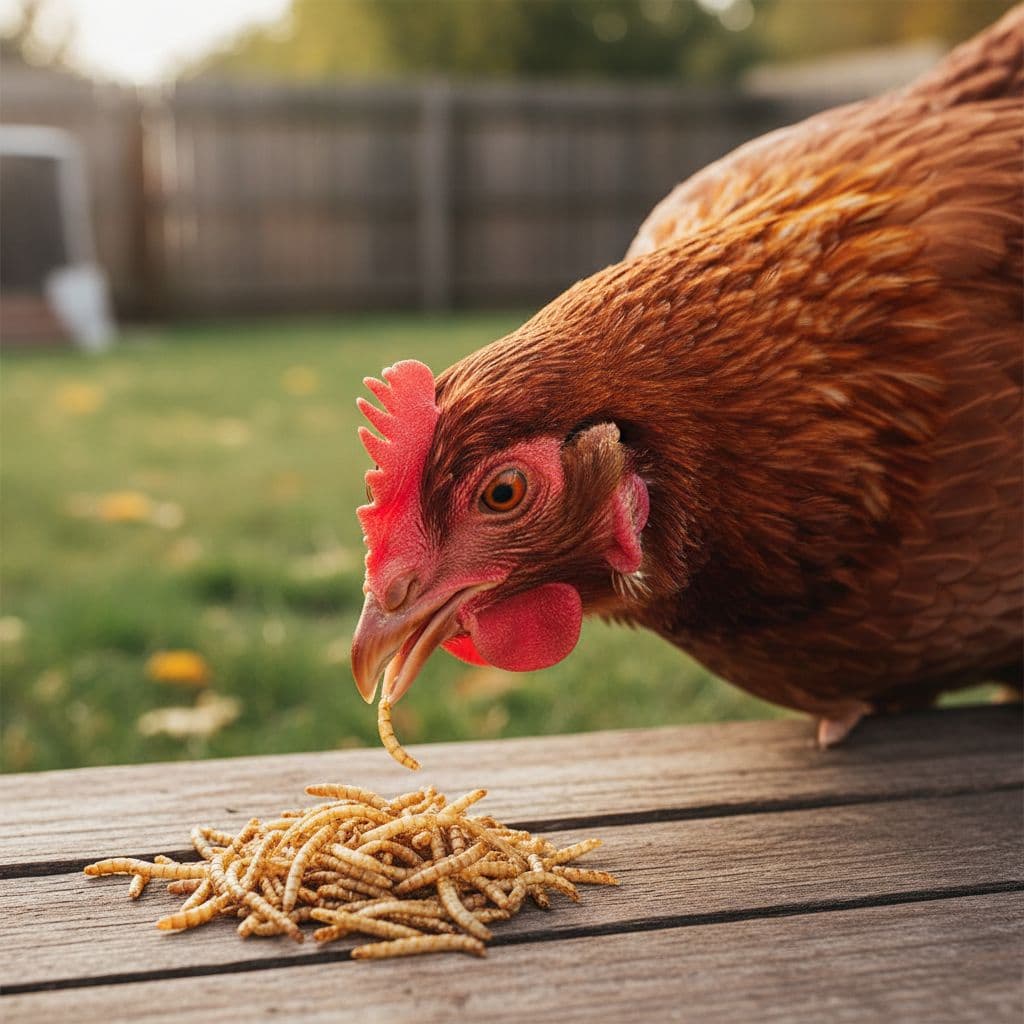
The easiest method is to give mealworms after hens have started eating their normal ration. You can sprinkle a small amount over layer mash, scatter them on dry litter or short grass to encourage natural scratching, or mix them into a tiny portion of chopped greens.
Live mealworms encourage foraging, while dried mealworms are easier to store and portion. Either type can work. What matters is control. Avoid mixing mealworms with a big scoop of maize or other treats, because that can turn a useful protein boost into an unbalanced snack.
Hand-feeding can also help you check which hens are alert and which ones hang back. Still, shy birds need access through a feeder or a scattered portion, rather than relying solely on your hand for their meal.
Choosing clean mealworms and storing them safely
Clean feed protects flock health. Dried or live, mealworms should look fresh, smell normal, and come from a seller who handles them well. They should never smell chemical, sour, or moldy.
In Kenya, insect farming has grown from a niche activity into a practical feed option for small farms. Research programs in East Africa have helped move insect protein closer to everyday use in poultry and fish farming. That growth helps buyers, but it also means quality can vary from one seller to another.
What to look for when buying mealworms in Kenya
If you want mealworms for layers in Kenya, buy from a supplier who can tell you how the worms were raised, dried, packed, and stored. Dried mealworms should be dry to the touch, not damp or clumped. Live mealworms should be active, firm, and mostly free of dead larvae or foul smell.
Ask how long the stock has been on the shelf. Fresh product is safer and usually more attractive to hens. If you are choosing between forms, this guide on live versus dried mealworms for hens gives a useful side-by-side view.
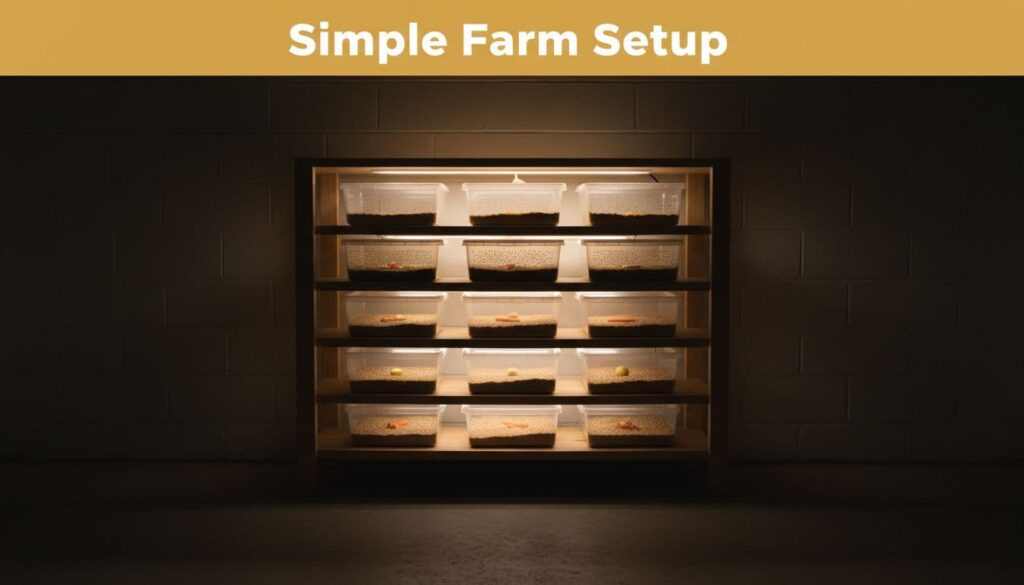
If you raise your own mealworms, keep the rearing area dry and away from sprays, detergents, and rodent bait. Clean production matters as much as clean storage. Using wheat bran as a standard rearing substrate is a common way to ensure a healthy environment for your colony.
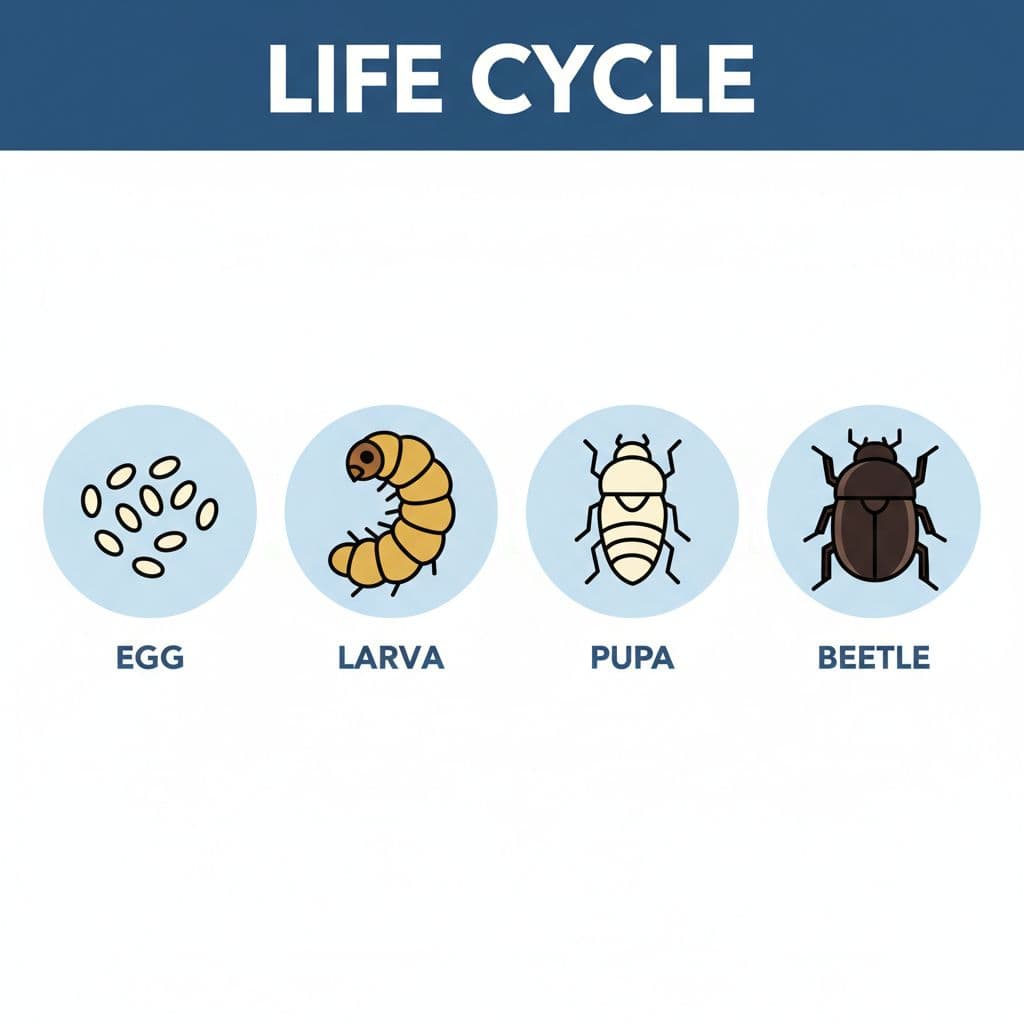
Dark mealworms refer to the larvae stage of the darkling beetle, which are commonly cultivated as a high-protein feed supplement for poultry. In the context of Kenya, these insects are increasingly recognized as a sustainable, locally produced source of protein that supports feather health and recovery in layer flocks. Beyond their value as feed, these larvae are at the center of emerging research into sustainable waste management. Scientists are investigating plastic degradation, exploring how these plastic-eating insects can break down materials like styrofoam and other forms of polystyrene. As these bioremediation applications develop, research suggests that the ability of the darkling beetle to consume polystyrene could eventually offer innovative waste management solutions for urban environments.
Yes, dark mealworms are safe for layer hens and provide a nutrient-dense, natural protein supplement. As with other mealworm varieties, they should only be served in moderation to ensure they do not replace the bird’s primary, calcium-rich diet.
How to keep mealworms from going bad
Store dried mealworms in a sealed container in a cool, dry place, out of direct sunlight. Heat and moisture spoil feed fast, so do not leave an open bag in the chicken house or near a window. Use older stock first, and throw away anything that smells musty or shows signs of mold.
Live mealworms need airflow and the right bedding. Keep them in a well-ventilated container with clean bran or another suitable substrate, and follow the supplier’s care instructions. Remove wet scraps before they rot. Spoiled insects can upset hens and waste money.
Some farmers also save insect frass as manure, which fits the low-waste approach that has made insect farming attractive in Kenya. That only works when the insect feed is kept clean from the start.
Signs your hens are getting the right amount
After you add mealworms, watch the flock for a few days. Chickens tell you a lot through appetite, droppings, activity, and egg output. A notebook helps. Write down when you fed mealworms, how much you gave, and whether egg numbers changed.
Healthy signs to watch for after feeding
A good response looks boring, and that is a good thing. Hens stay active, keep eating their regular layer feed, and show normal droppings. During molting, you may notice better feather condition or a little more energy as birds recover.
Interestingly, these benefits reflect the complex microbial communities found within the gut of insects like lesser mealworms. Recent studies using mitogenomic profiling have helped researchers understand how specific bacteria, including members of the Enterobacteriaceae family, facilitate the enzymatic degradation of synthetic polymers. While plastic pollution is a growing environmental concern, these diverse organisms, such as Kluyvera, Klebsiella, Lactococcus, and Citrobacter, showcase nature’s ability to process organic materials. When hens consume insects that support a healthy gut biome, it contributes to their overall vitality.
Steady egg numbers also matter. Mealworms can support hens under stress, but they should never replace the feed that keeps laying stable. A practical guide to mealworms for chickens makes the same point, use them sparingly and keep the balanced ration first.
Warning signs that mean you should cut back
Cut the amount if hens rush for mealworms and then ignore their mash. Also pull back if droppings change after feeding, birds gain too much weight, or egg numbers slip for no clear reason. Thin shells can also point to poor balance, because the birds may be eating too many treats and too little calcium.
If hens leave their layer feed after a mealworm treat, the portion is too large.
When that happens, reduce the snack, review the full ration, and check water supply and calcium access. Mealworms are usually not the whole problem, but overfeeding them can hide one, especially if you are also monitoring the flock for issues related to environmental plastic pollution in the surrounding area.
Frequently Asked Questions
Can I feed dark mealworms to my laying hens every day?
No, it is best to provide them as a supplement one or two times per week. Daily feeding can lead to an unbalanced diet where hens fill up on protein-rich insects while neglecting the essential calcium and minerals needed for strong eggshells.
How many mealworms should I give each chicken?
A good starting point is approximately 10 to 15 mealworms per hen per serving. Always observe your flock’s reaction and ensure they continue to eat their main layer feed before increasing or maintaining that amount.
Why is it important to feed mealworms after the layer mash?
Feeding the primary ration first ensures that the birds consume the essential nutrients required for consistent egg production and body maintenance. If mealworms are given first, hens may lose their appetite for the balanced feed, potentially leading to nutritional deficiencies.
Are there any risks to feeding mealworms that have been stored improperly?
Yes, spoiled mealworms can carry mold or bacteria that may cause digestive issues in your birds. Always store dried mealworms in a cool, dry, and sealed container, and ensure live mealworms are kept in clean, well-ventilated conditions with fresh substrate.
Conclusion
A flock’s love of mealworms can fool you. The birds act thrilled, but strong laying still depends on balanced feeding, clean water, and daily calcium. While you can incorporate lesser mealworms as a valuable protein supplement, they should never replace a complete layer ration.
Keep mealworms in the role they do best, acting as a small boost within a comprehensive nutrition plan. By providing these insects alongside a balanced diet, you support the diverse microbial communities in the gut that are essential for long term bird health. For farmers looking for the latest research on the nutritional benefits of lesser mealworms for poultry, the International Centre of Insect Physiology and Ecology remains an excellent resource for data driven guidance.
Start with a modest amount, watch your hens closely, and adjust only if they keep eating their regular feed and laying well. If your birds stay active, maintain a steady appetite, and keep up a high egg output, you have found the right level for your flock.