

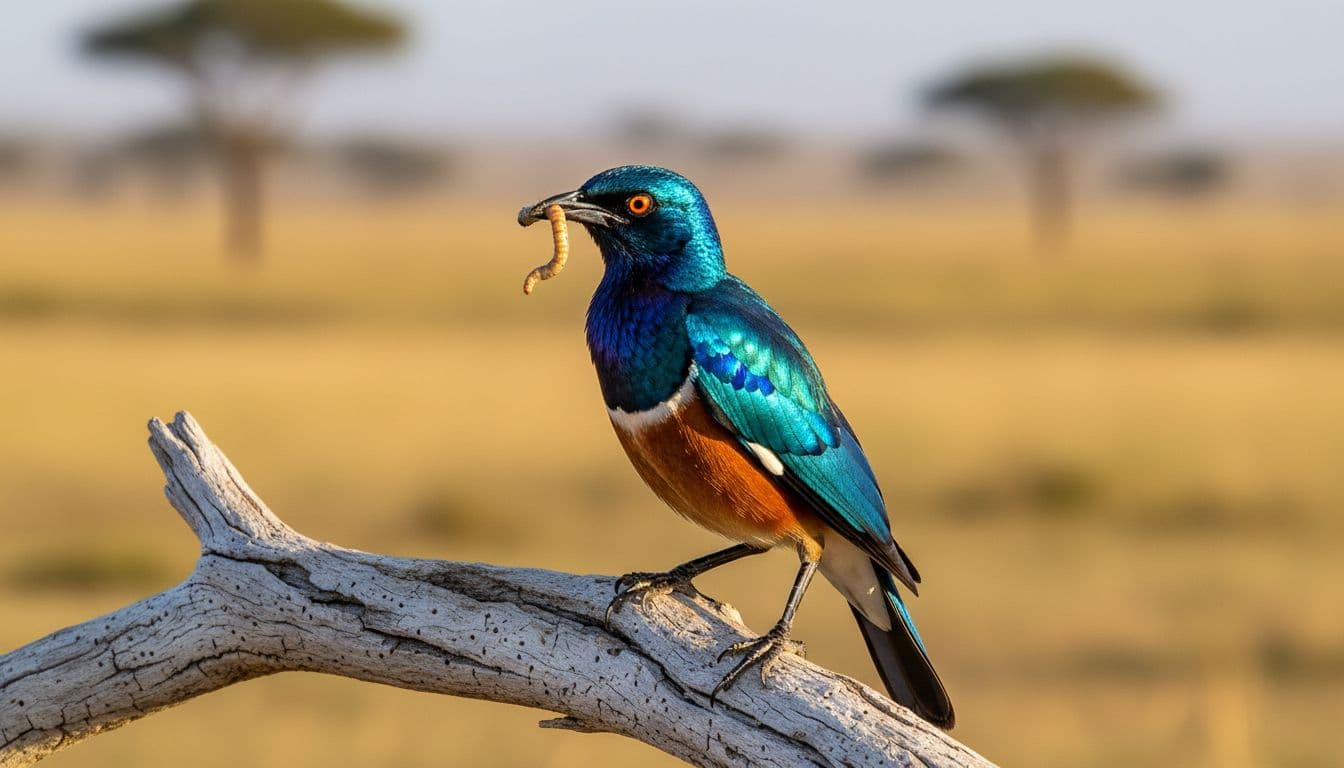
Bird keepers, poultry, and birdwatchers in Kenya are paying more attention to mealworms because they are an easy way to add protein and energy to a bird’s diet. Many species, from chickens to wild garden birds, respond well to this natural feed, as mealworms provide an essential nutrient boost that encourages healthy foraging behavior.
For anyone comparing mealworms for birds Kenya, the real choice usually comes down to live mealworms or dried mealworms. Live mealworms can be useful for encouraging natural hunting instincts in active birds, while dried mealworms are easier to store, measure, and mix into daily feeding routines. Mealworms also fit well for small farmers who want a practical supplement that supports growth, feather regrowth, and egg production.
This guide will help you choose the best option for your birds, avoid common feeding mistakes, and use mealworms safely. If you want a feed that is simple, useful, and suited to local conditions, start here.
If you are looking to purchase mealworms in Kenya, follow these quick steps to ensure quality and convenience:
- Check for Local Availability: Visit trusted local agrovet shops, specialized pet stores, or verified online suppliers in major cities like Nairobi, Mombasa, and Kisumu to ensure consistent stock.
- Choose Based on Your Birds: Opt for live mealworms for active wild birds and reptiles that need stimulation, or select dried mealworms for poultry and large flocks to make storage and daily feeding easier.
- Inspect Quality: Before purchase, ensure the product has a natural tan color, a mild scent, and zero signs of mold or excess moisture.
- Prioritize Proper Storage: Once home, store dried mealworms in airtight, moisture-free containers and keep live mealworms in well-ventilated, cool areas to maintain their nutritional value.
Key Takeaways
- Nutritional Boost: Mealworms provide a high-protein, energy-dense supplement that aids muscle growth, feather repair, and egg production in both poultry and wild birds.
- Live vs. Dried Options: Choose live mealworms to stimulate natural foraging and hunting instincts, or select dried mealworms for superior shelf life, convenience, and ease of storage.
- Supplement, Not Staple: Always feed mealworms as a treat alongside a balanced diet of grains and greens, ensuring they do not displace essential daily nutrients.
- Quality Control: Prioritize clean, fresh, and additive-free mealworms by inspecting them for a natural tan color, a fresh scent, and the absence of mold or debris.
- Proper Storage: Protect the quality of your feed by keeping dried mealworms in airtight, moisture-free containers and ensuring live mealworms are kept in well-ventilated, cool environments.
What makes mealworms a good choice for birds?
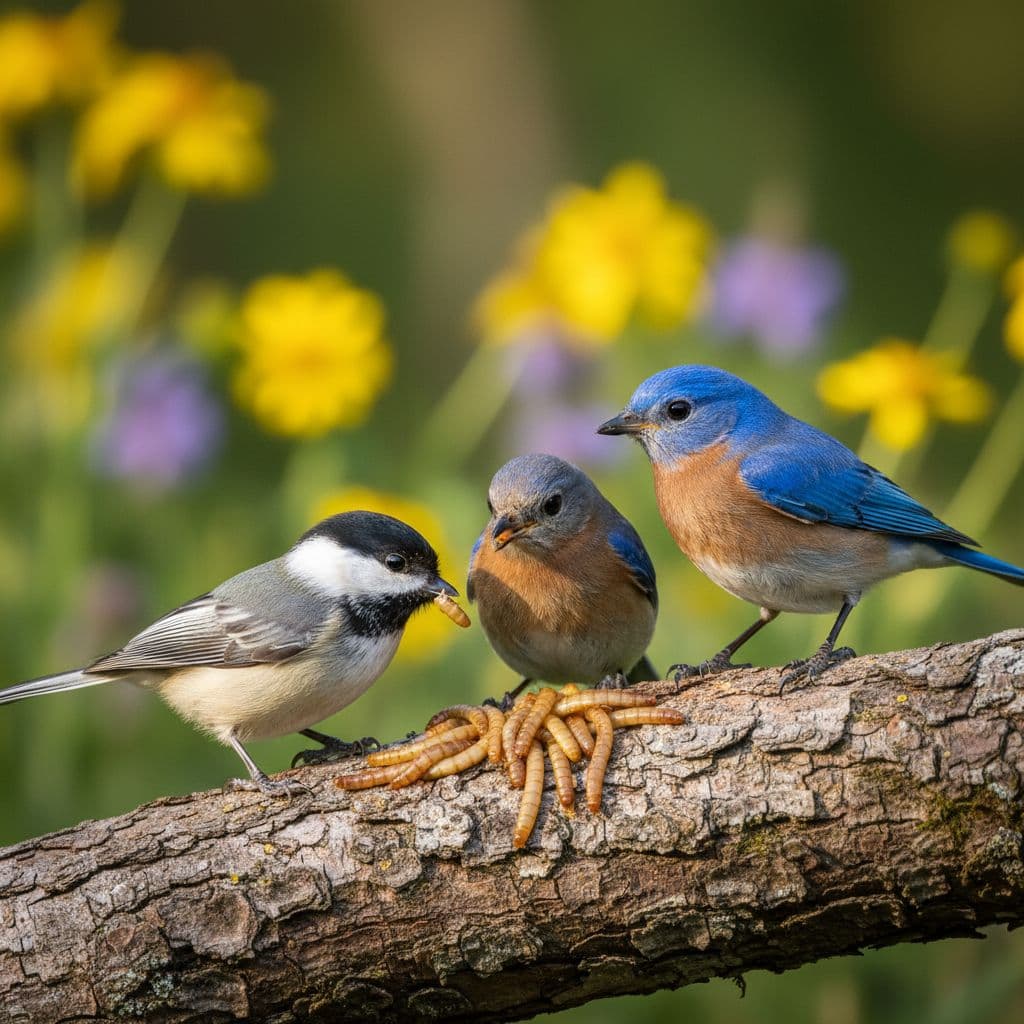
Mealworms give birds a simple mix of high protein and energy in a form they usually accept right away. For bird keepers, that matters because a feed that gets eaten is a feed that helps. As a highly effective supplemental food source, mealworms allow birds to engage in natural hunting behaviors. Many bug-eating birds recognize these as natural prey, so they peck, chase, and hunt with more interest than they show for plain grain.
Mealworms for birds in Kenya are popular for the same reason. They fit into daily feeding without much fuss, and they work well as a supplement alongside a balanced diet. Mealworms should support the feed plan, not replace it.
### Photo by AI GeneratedThe nutrients in mealworms for birds in Kenya
Mealworms provide essential nutrients that birds use to thrive, including high protein for building muscle, growing body tissue, and creating strong feathers. They also contain fat, which gives quick energy, especially useful for active birds and those that need extra calories during winter weather.
They also supply amino acids, the small building blocks birds need for growth, feather repair, and general body maintenance. In plain terms, amino acids help the body do the repair work that keeps birds in good shape.
Mealworms contain small amounts of vitamins as well. These help with normal body functions, including energy use and supporting a healthy immune system. For more detail on the nutrition provided by mealworms for birds in Kenya, this mealworm feeding guide breaks down how protein and fat support birds at different stages.
Mealworms work best as a boost, not the whole diet.
Why bird owners use them at different life stages
Young chicks need extra protein for fast growth, so mealworms can help during the early weeks. Growing birds also benefit because their bodies are building muscle and feathers at the same time.
Breeding birds often need more support during nesting and chick-rearing, when their energy use rises. Mealworms can fill that gap without making feeding complicated. They are also useful for adult birds during molting, when new feathers are replacing old ones.
In stressful periods, or during cold spells, mealworms give birds a quick, easy source of fuel. Many birds also enjoy hunting for live mealworms, which supports normal feeding behavior and keeps them active. That mix of nutrition and instinct is a big reason mealworms remain a trusted choice for bird enthusiasts.
How to choose the best mealworms for birds in Kenya
Picking the right mealworms comes down to how you feed, what you feed, and how long you need them to last. In Kenya, bird keepers often buy from local pet shops, feed stores, farm supply shops, online sellers, or direct insect farms when available. Each option can work, but the best choice depends on freshness, storage space, and the kind of birds you keep.
### Live mealworms or dried mealworms, which should you pick?
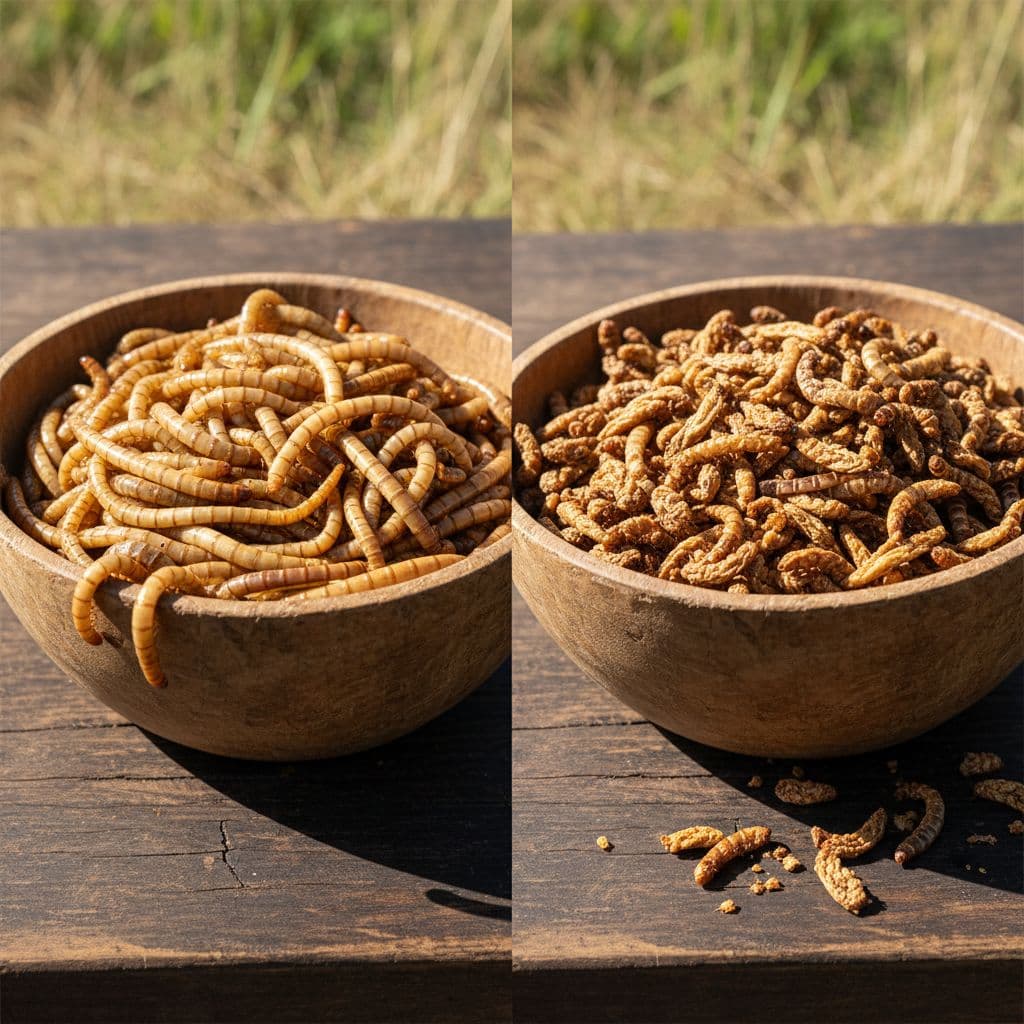
Live mealworms are the better pick when you want maximum freshness and a strong feeding response. Many birds, such as bluebirds, react faster to movement, so live worms can be useful for wild birds, chickens, and reptiles that enjoy active prey. They feel more natural, which helps picky birds eat more readily.
Dried mealworms are easier to handle and are excellent for those looking to buy in bulk. They store well, keep longer, and fit better into busy feeding routines. If you prefer convenience or only want to feed a little at a time, dried mealworms are often the more practical choice.
If you feed often and have fridge space, live mealworms can work well. If you want convenience and longer shelf life, dried mealworms are usually easier.
For bird keepers in Kenya, the right option also depends on temperature and storage conditions. Live mealworms require cool, careful storage, while dried ones stay stable in a sealed, dry container. For more storage detail, this mealworm storage guide explains the basic differences clearly.
What to check before you buy
Before you pay, look at the mealworms closely. High-quality options should ideally be non-gmo and additive-free. For peace of mind, check if the supplier provides veterinary certified products to ensure the health of your flock. Good mealworms should be clean, dry, and light tan to brown. They should not smell sour, musty, or spoiled. If they do, walk away.
Also check for broken pieces, dust, dirt, or insects inside the package. Too much powder can mean poor handling or age. Packaging should be sealed tightly, without holes, leaks, or signs that the product sat in heat or moisture.
A quick buying check helps a lot:
- Color: Natural tan to brown is a good sign.
- Smell: Fresh, mild, and clean is best.
- Texture: Dry and loose, not wet or clumped.
- Packaging: Sealed and intact.
- Condition: No mold, dirt, or pests.
According to recent guidance, buyers should avoid products that look moldy, dirty, badly stored, or heavily broken. High-quality dried mealworms should look clean and fresh, not old or damp.
Buying for chickens, wild birds, or pet reptiles
The best mealworm type can change with the animal. Chickens usually do well with dried mealworms for easy daily feeding, while wild birds often show more interest in live ones because they move. Pet reptiles may also prefer live mealworms, especially if they hunt actively.
For mixed-use homes, dried mealworms are the simplest all-around option. They are easy to portion, easy to store, and less messy. Live mealworms make more sense if you feed smaller groups often and can keep them in the right condition.
A simple rule works well here:
- Choose live mealworms for active feeders and a stronger natural response.
- Choose dried mealworms for storage ease, travel, and routine feeding.
- Match the choice to how often you feed and how long you need them to last.
The best mealworms for birds in Kenya are the ones that stay clean, safe, and suited to your specific feeding setup.
How to feed mealworms the right way
Mealworms work best as a supplement, not a full meal. Birds still need a balanced diet with grains, greens, seeds, and, for laying hens, enough calcium from a proper feed or oyster shell. If you treat mealworms like a topper, not the main dish, you get the benefit without upsetting the bird’s diet.
### How much to give birds at one time
Start small. For backyard birds, a small handful is usually enough for one feeding session. For chickens, give only what they can finish quickly, since extra feed can spoil or attract pests.
A good rule is to offer less than you think you need, then watch what disappears. If the birds clear it fast, you can adjust next time. If food sits around, the portion is too large.
Mealworms should sit inside a balanced feeding routine. Too much of any one food can throw off the mix birds need for health, feather growth, and egg production. That matters even more with chickens, since they do best on a complete feed with treats kept in check, which helps maintain consistent egg production.
Best ways to offer mealworms
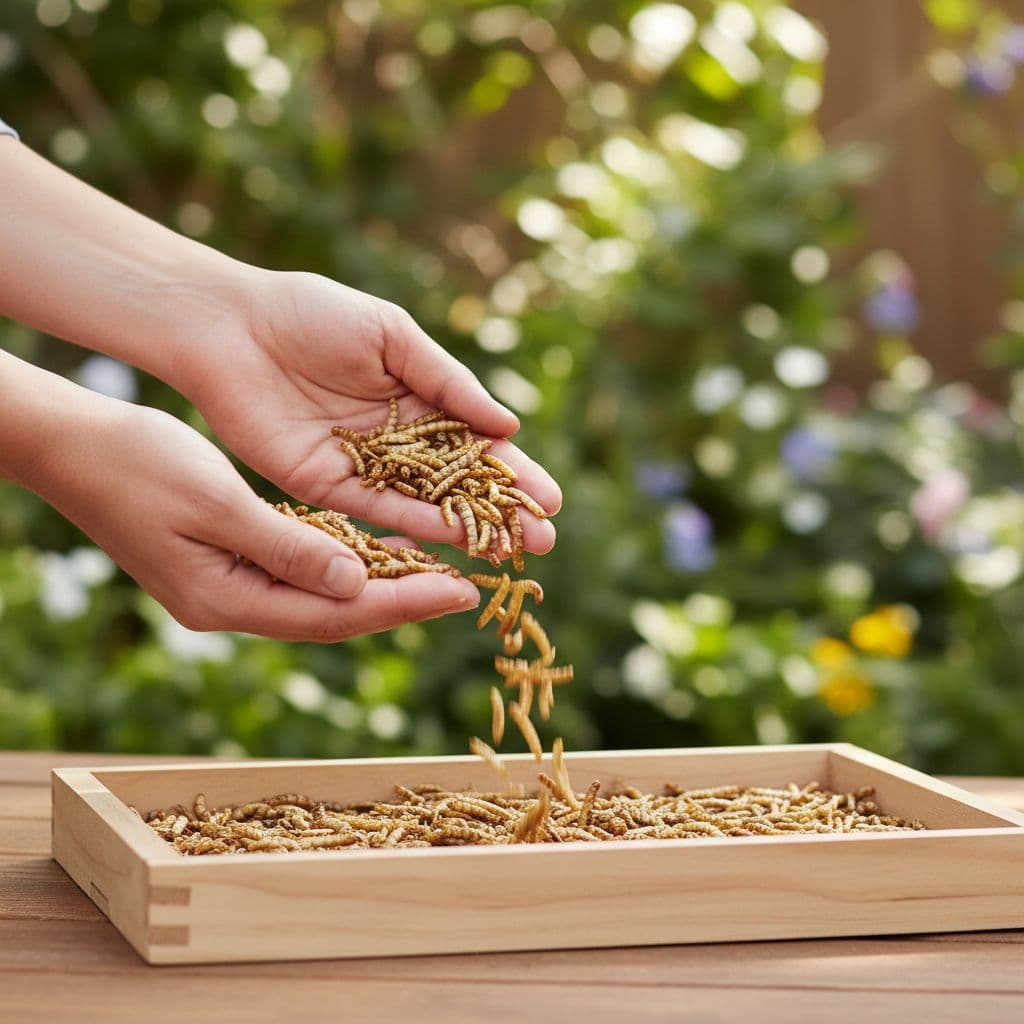
A shallow feeding tray or a dedicated platform feeder works well because it keeps mealworms contained and easy to spot. It also helps you see how much the birds actually eat. Clean feeders are best, since damp food scraps and dirt can lead to mess fast.
You can also scatter a small amount on the ground if you want to attract wild birds to a yard. Place the food near shrubs or cover so they feel safe while enjoying a tasty songbird treat. Another simple method is to mix mealworms into regular feed, which works well for chickens and some pet birds that need encouragement.
For dried mealworms, a light soak in water can help, especially in hot weather or for smaller birds. Proper bird feeding habits, such as using shallow dishes and maintaining clean spots, lead to better results.
Mistakes to avoid when feeding mealworms
The biggest mistake is overfeeding. Mealworms are rich, so too many can crowd out other foods. Another common problem is using spoiled insects. If they smell musty, look damp, or show mold, throw them out.
Storage matters too. Once a pack is opened, keep it sealed, dry, and cool. Live mealworms need care as well, because poor storage shortens their life and reduces feed quality. After opening, check them often and use older stock first.
Avoid these common errors:
- Feeding only mealworms instead of a balanced diet
- Leaving uneaten mealworms out too long
- Storing dried mealworms in a warm, damp place
- Mixing fresh mealworms with dirty feeders
Simple feeding habits make a big difference. Keep portions small, keep feeders clean, and keep mealworms in their place as a treat that supports healthy birds.
Where Kenyan buyers can find mealworms and how to store them well
If you know where to shop, finding high-quality mealworms in their larval form is not difficult in Kenya. The main priority is choosing a reliable seller that maintains clean, fresh stock suited to your birds or reptiles. After that, proper storage keeps your purchase useful for much longer.
### Common places to buy mealworms in Kenya
You can often find these nutritious insects at pet shops, bird feed stores, and poultry supply shops in larger towns. These businesses are a great starting point because they usually stock feed for chickens, caged birds, and other small animals. In many market centers, local agrovet shops can also help, especially if they already supply poultry inputs.
Online buying is growing too. Marketplaces, social media sellers, and local farms make it easier to order mealworms without leaving home. This is particularly helpful if you live outside Nairobi, Mombasa, Kisumu, or other major cities. For rural buyers, direct suppliers are often the most practical choice because they can deliver in bulk or arrange pick-up through a nearby town.
Some Kenyan buyers also prefer to purchase directly from insect farms. This improves freshness and allows for better traceability, which is ideal if you need a steady supply. The mealworms Kenya product page is a sensible next step if you want to compare what is available locally.
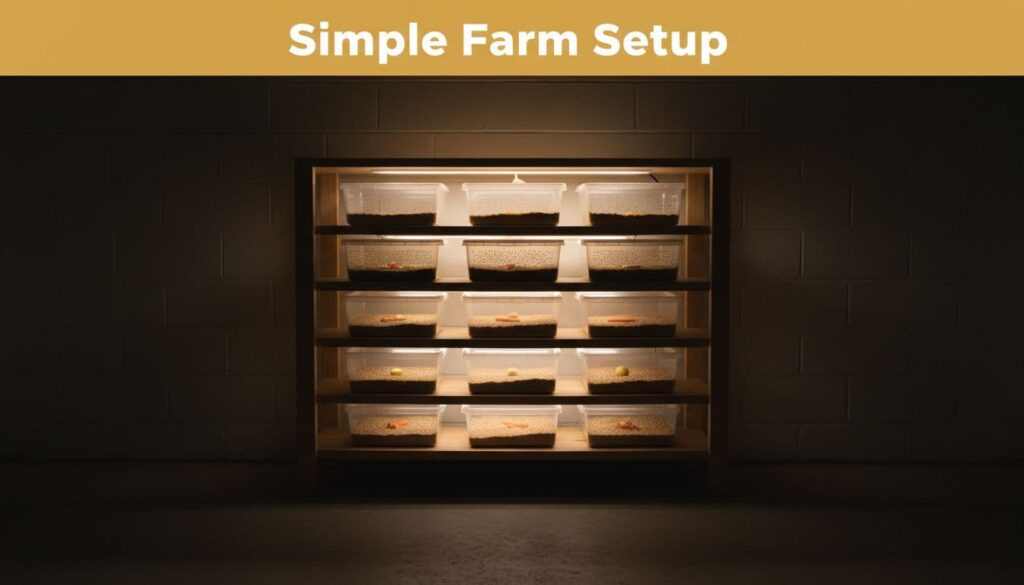
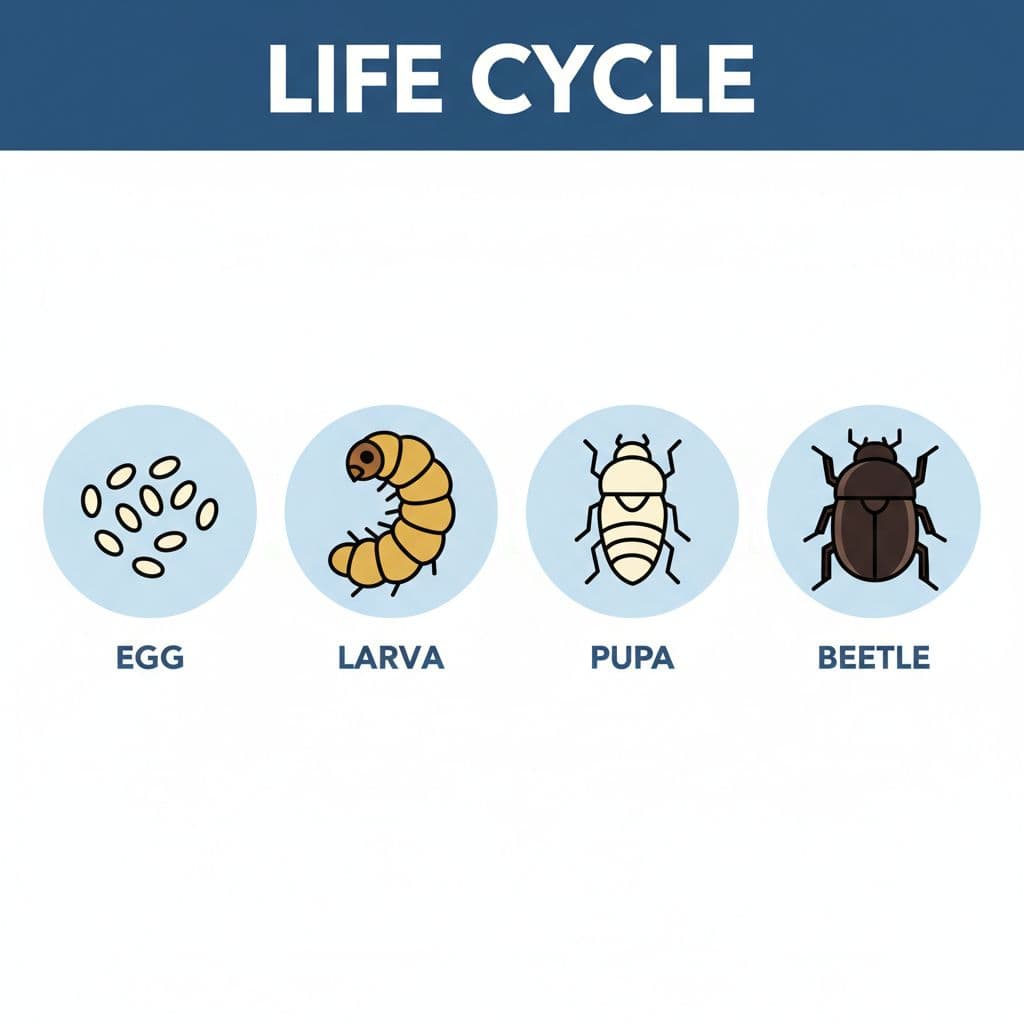
If you are interested in self-sufficiency, you can farm mealworms at home in Kenya using simple containers. Provide wheat bran as bedding and use vegetable scraps to supply moisture. The insects will eventually transition into the pupa stage and emerge as the adult mealworm beetle, allowing you to sustain your colony. It is a cost-effective way to provide a consistent, fresh protein source for your birds without relying on store-bought supplies. Just ensure you keep the colony in a well-ventilated, cool space to keep the insects healthy and productive.
How to store mealworms so they stay fresh
Dried mealworms require simple care. Keep them in a resealable bag or a sealed airtight container in a cool, dry place, away from sunlight and kitchen heat. A cupboard or pantry works well. Moisture is the biggest enemy, so never leave the package open for long.
Live mealworms need more attention. Store them in a cool, ventilated container with air holes, and keep them away from direct heat. Use bedding such as wheat bran, and check them often so the environment remains dry and active. A fridge can slow their metabolism, but they should never be allowed to freeze.
A few simple habits help a lot:
- Keep dried mealworms dry and stored in a tightly sealed container.
- Do not store either type near stoves, sinks, or in direct sunlight.
- Remove dead, damp, or moldy insects right away.
- Use older stock first so nothing sits too long.
For more care tips, this storage guide for bird mealworms gives a clear breakdown of how to manage both live and dried options effectively.
Frequently Asked Questions
Can I feed mealworms to my chickens every day?
While chickens love mealworms, they should only be given as a treat rather than a primary food source. Limit portions to ensure birds consume their complete, balanced commercial feed first, which prevents nutritional imbalances.
How do I know if the dried mealworms I bought are still good?
High-quality dried mealworms should be dry, intact, and possess a mild, clean scent. If you notice a sour or musty smell, excessive dust, or visible mold, discard the product immediately to protect your birds’ health.
What is the best way to store live mealworms in a Kenyan climate?
Keep live mealworms in a well-ventilated container with breathable bedding like wheat bran to prevent moisture buildup. Store them in a cool, dark area away from direct sunlight and heat sources to maintain their health and activity levels.
Will wild birds in my garden eat dried mealworms?
Yes, many wild birds enjoy dried mealworms, though they may take a moment to recognize them as food. You can encourage them by scattering the mealworms on a clean platform feeder or mixing them with seeds to attract birds to your garden.
Conclusion
The best mealworms for birds in Kenya are the ones that are fresh, clean, and specifically matched to the species you are feeding. Live mealworms are excellent for birds that respond to movement, while dried mealworms offer a convenient solution for easier storage and consistent daily use.
Providing these insects offers a significant high protein boost that supports the health of both wild birds and poultry. However, it is important to remember that they should serve as a supplement to a balanced diet rather than a replacement, as birds still require essential nutrients from their primary feed. By sourcing your supplies from a trusted local provider and ensuring they are stored correctly, you can keep your birds healthy and energetic with high-quality mealworms.