

Feed takes the biggest share of poultry feeds costs, so poor protein choices hit hard. If you want faster growth, stronger birds, and steady egg output, you need a chicken protein feed Kenya farmers can trust to match their flock and their budget.
For most Kenyan farmers, the right choice is not one magic ingredient. It is a balanced mix tailored to the bird’s age, local feed prices, and reliable sourcing. Specifically, sourcing ingredients with the right level of crude protein is vital for matching the flock’s needs. Mealworms also deserve attention because they add protein and fat in a way that fits small-scale, eco-friendly farming.
Key Takeaways
- Protein is the fundamental building block for poultry development, directly influencing muscle growth, feather quality, and egg production rates.
- Rather than relying on a single expensive ingredient, Kenyan farmers achieve better results and cost-efficiency by blending multiple protein sources like soya meal, sunflower cake, and insect protein.
- Nutritional needs evolve with the bird; chicks require higher protein density for rapid development, whereas layers need balanced protein for consistent egg output and body maintenance.
- Quality control is essential; farmers should avoid moldy or sour ingredients and prioritize reputable suppliers to prevent health issues and ensure efficient growth.
- Insect-based protein, such as mealworms and black soldier fly larvae, offers a sustainable and cost-effective alternative that supports circular agriculture and reduces reliance on expensive commercial imports.
What chicken protein feed does for growth, eggs, and health
Protein is the fundamental building block for muscle, feathers, skin, and body tissue. High levels of digestible crude protein are essential for supporting effective body repair and helping chickens maintain optimal condition when weather patterns shift, disease pressure rises, or egg production remains high.
Broilers show the impact of protein intake very quickly. Quality protein sources ensure they gain weight consistently while developing strong breast and leg muscle. Layers also require a steady supply every day because eggs are naturally rich in protein. When dietary protein levels fall short, hens typically lose physical condition first, followed by a noticeable decline in egg production.
How protein needs change from chicks to layers
Chicks require the highest levels of protein because they experience rapid development in a short period. Since their bones, organs, feathers, and frame all develop simultaneously, high-quality broiler starter and chick mash must be significantly richer in nutrients than later rations.
Growers require a more balanced, moderate approach. At this stage, the goal is to encourage steady body development without promoting excessive fat. Once the birds reach maturity, you should transition to layers mash to support consistent egg formation, feather health, and body maintenance. Providing the right levels of nutrients ensures that you support your flock without wasting money on unnecessarily expensive, high-protein supplements.
If you mix feed at home, this guide to making chicken feeds at home provides a useful picture of how specific chick, grower, and layer formulas differ in their nutritional profiles.
Signs your flock may need better protein
Deficiencies in protein often manifest physically long before a lab test confirms the issue. Watch for these common signs:
- Chicks grow slowly and remain uneven in size.
- Feathers appear rough, thin, or are slow to emerge.
- Birds engage in excessive feather pecking.
- Broilers consume feed but fail to gain weight efficiently.
- Layers produce fewer or smaller eggs.
- Birds appear lethargic and lose body condition.
- Kienyeji chicken may show these signs through reduced scavenging activity and stunted growth rates.
A flock exhibiting these symptoms may not simply need more food. Instead, the birds likely require better protein quality in their daily rations to recover their health and productivity.
The best protein feed options for chickens in Kenya
In Kenya, the strongest results usually come from combining protein sources instead of relying on one ingredient. By effectively managing raw materials, you can improve your feed formulation to balance amino acids, manage costs, and reduce the risk of shortages when market prices jump.
In Kenya, you will find many commercial feed brands, but the best approach is to source products from established, reputable feed millers who provide clear labels on nutritional content. Rather than hunting for one specific brand, prioritize suppliers who have a track record of selling fresh, mold-free ingredients and who offer consistent quality across their chick, grower, and layer lines. Always verify their reputation through other local poultry farmers before committing to bulk purchases.
Soya meal as a strong all-round choice
Soya meal is one of the most trusted protein feed options for chickens in Kenya. Chickens digest it well, and it works for chicks, growers, and layers. It also pairs well with maize and other energy feeds, which is why many commercial rations use it as a base ingredient. For small farmers, the main drawback is price. Even so, when soya meal is clean and well stored, it gives reliable results and helps reduce guesswork in feed mixing.
Fishmeal omena for fast protein and extra minerals
Fishmeal omena is dense, so a little goes a long way. It also brings useful minerals, including calcium and phosphorus, which matter for bone strength and egg production. Still, fishmeal omena is rarely the cheapest option. Use it in small, balanced amounts. Low-quality sources can smell rancid, spoil quickly, and hurt feed intake. Buy only from suppliers you trust.
Sunflower cake, cotton seed cake, and other lower-cost plant proteins
Sunflower cake and cotton seed cake are common in Kenya because they can lower feed costs. They add useful protein and work well in mixed rations, especially for growers and local chickens. The primary challenge is maintaining the right balance of amino acids. Because these plant proteins do not always provide the full profile that chickens need for top performance, farmers often combine them with soya meal, insect protein, or a little fishmeal omena.
Insect protein, including mealworms, black soldier fly larvae, and more
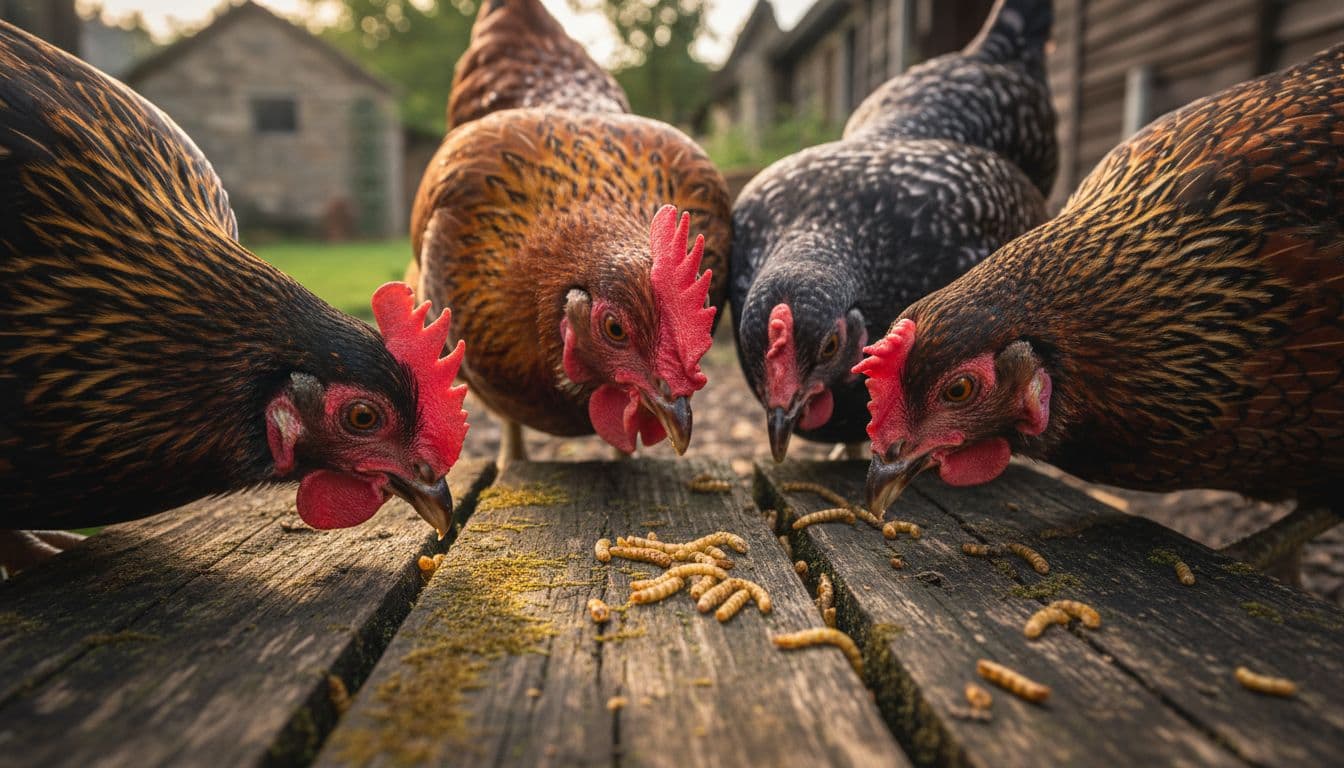
Insect protein fits Kenyan farming well because it can be produced locally and at a small scale. Mealworms, black soldier fly larvae, earthworms, and even harvested grasshoppers can all add strong protein to poultry diets. Mealworms stand out because they also contain useful fats, which help with energy intake and bird condition. They can be fed fresh in small amounts or dried and mixed into mash. For farmers who want local, lower-pressure alternatives to fishmeal omena and soy, insect protein is a practical option.
Several ingredients farmers use in Kenya, including soya, sunflower, fishmeal omena, and insects, also show up in high-quality cheap chicken feed formulas used for home mixing.
Other useful options, such as peas, beans, DDGS, and energy carriers
Peas, beans, and distillers dried grains with solubles (DDGS) can help fill protein gaps when priced well. They work best as support ingredients, not as the whole answer. Take care with beans, as raw varieties can cause problems and require proper heat treatment before feeding.
Beyond protein, successful feed formulation often relies on incorporating quality energy sources and fillers. Many Kenyan farmers rely on raw materials like maize bran, maize germ, wheat pollard, and wheat bran to bulk up their rations and ensure birds receive the necessary energy for growth and egg production. When sourcing these materials, always check for freshness to ensure your flock receives the best possible nutrition.
How to choose the right protein feed for your budget and flock type
The right choice is not always the feed with the highest protein number. You also need to think about bird type, ingredient cost, local supply, and how much waste your system can handle. That matters even more now because poultry demand in Kenya keeps rising, while feed prices still swing hard. Many farms also keep improved Kienyeji birds, Kuroiler, and Kenbro, so one ration does not fit every flock.
To calculate the cost of protein feed, first determine the actual cost per unit of crude protein in each ingredient rather than just the price per kilogram. Many farmers use the Pearson Square method to balance crude protein levels effectively. Divide the cost per kilogram of the feed by the percentage of protein it contains to find the price for every 1% of protein provided. Comparing these values across different sources like soybean meal, sunflower cake, or insect protein helps you identify the most cost-effective way to meet your flock’s nutritional requirements.
Best choices for broilers, layers, and local chickens
Broilers usually need richer protein because they grow fast and are sold young. Using high-quality protein sources is essential to improving your feed conversion ratio. Soybean meal, small amounts of fish meal, and insect protein all fit well in broiler rations when the mix is balanced with whole maize to provide necessary energy.
Layers need a steadier approach. They need enough protein for egg formation, but they also need minerals, especially calcium. If you want a market example of what a balanced lay ration looks like, see this kienyeji layer meal.
Indigenous chickens, including the improved Kienyeji breeds, are more flexible. They can do well on mixed rations that combine scavenging with sunflower cake, whole maize, greens, and small amounts of stronger protein sources.
Why mixing protein sources often works better than using one feed
A mixed ration usually gives better value than depending on one expensive ingredient. Soybean meal may supply strong digestible protein, while sunflower cake lowers cost. By mixing sources, you achieve a better nutritional balance, ensuring your birds receive essential amino acids like methionine and lysine. Adding a small amount of fish meal or mealworms can further improve the profile of your feed.
A ration with two or three protein ingredients is often cheaper and safer than chasing one perfect feed.
This matters because protein percentage alone does not tell the full story. A bird needs usable amino acids, enough energy, clean ingredients, and a ration it will eat well every day.
What to check before buying feed ingredients
Cheap feed is expensive when it slows growth or harms bird health. Before you buy, check a few basics:
- The feed should smell fresh, not sour or rotten.
- It should feel dry, not damp or hot.
- The color should look normal for that ingredient.
- There should be no visible mold or insect damage.
- Ensure the label lists added vitamins and minerals.
- For young bird feeds, confirm the inclusion of a coccidiostat to prevent common diseases.
- The supplier should store feed off the floor and away from rain.
If a bargain bag fails these checks, walk away. Moldy or stale protein can cut performance fast.
Why mealworms are a smart fit for sustainable poultry farming in Kenya
Mealworms are more than a niche feed. They represent a genuine breakthrough in animal nutrition, serving as a high-quality protein source for chickens, other birds, and small mixed farms that want better feed value without relying solely on expensive, conventional ingredients.
How mealworms support chickens, birds, and small farms
Mealworms provide poultry with essential protein and healthy fats, making them an excellent choice as a dietary supplement or a core component of a mixed ration. Farmers often incorporate them into the diets of chicks, growers, layers, and breeding stock to achieve superior body condition and improved feather quality.
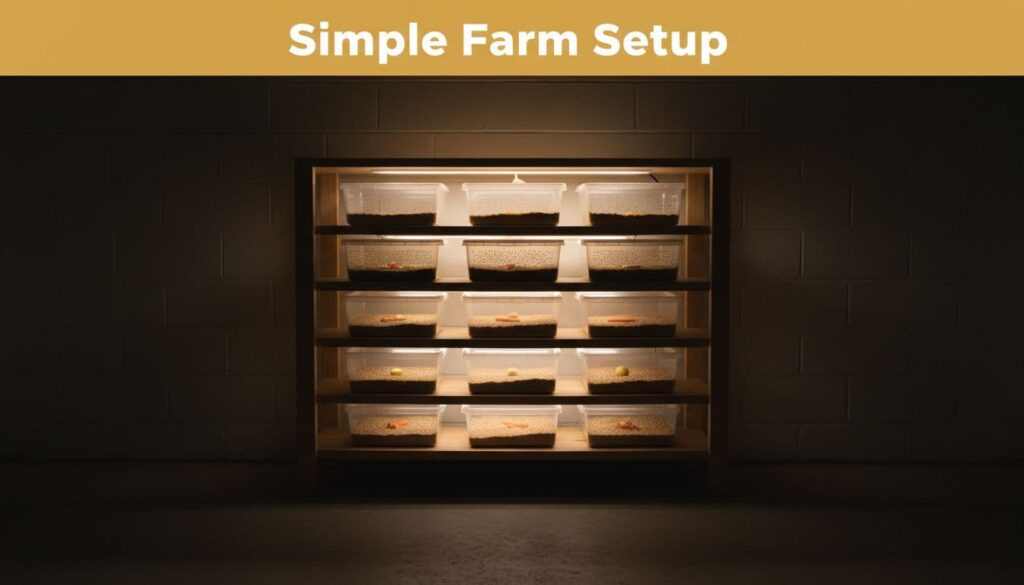
They are particularly well-suited for small farms because the production process is straightforward. By utilizing clean bran, shallow containers, adequate airflow, and dry conditions, farmers can rear mealworms at home and integrate them into their daily feeding routine as needed.
The bigger impact of insect protein on Kenya’s food system
The value of insect-based nutrition extends far beyond an individual flock. Recent research in Kenya suggests that replacing a portion of standard poultry feeds with insect-based ingredients could significantly reduce the pressure on grain supplies. By diverting less whole maize toward livestock and instead focusing on insect protein, there is potential to free up substantial amounts of human-grade food. Estimates suggest this shift could provide enough food for hundreds of thousands, or even millions, of people each year, depending on the scale of adoption.
This transition could also generate thousands of new jobs, contribute millions of dollars to the national economy, and provide a vital tool in poverty reduction. This presents a compelling case for adopting insect protein in regions where rising costs for traditional feed continue to squeeze the margins of small-scale farmers.
How insect feed fits eco-friendly farming goals
Insect farming aligns perfectly with the principles of circular agriculture. Farmers can transform low-value organic waste into high-quality protein and then use the resulting insect frass as a potent organic fertilizer. This cycle effectively reduces waste while supporting cleaner, more sustainable production.
The insect-feed sector in Kenya is rapidly moving beyond small trials. Current research and commercial projects are already successfully supporting large-scale production, intensive farmer training, and the development of national feed policies. For poultry keepers looking to provide high-quality, cost-effective protein with a smaller environmental footprint, mealworms are a smart, forward-thinking choice.
Frequently Asked Questions
How can I tell if my chicken feed is of good quality?
High-quality feed should smell fresh and clean without any sour or rancid odors. It must be stored in a dry, cool place to prevent mold and should never show signs of insect infestation or clumping from moisture.
Is it better to mix my own feed or buy commercial brands?
Both options can be effective if done correctly. Commercial feed offers convenience and guaranteed nutritional profiles, while home-mixing allows you to control costs and use locally available ingredients like sunflower cake or insect protein, provided you follow a balanced formula.
Why do my chickens need different protein levels as they grow?
Chicks require high-protein starter feeds to support the rapid development of bones, organs, and feathers during their first few weeks. As birds reach the grower and layer stages, their focus shifts to maintaining body condition and producing eggs, which requires a more balanced approach to avoid unnecessary waste and excessive fat gain.
Can I use insect protein as the only source of protein for my flock?
While insects are an excellent source of high-quality protein and fats, they are best used as part of a diversified diet rather than as a sole ingredient. Combining them with plant-based sources like soya or sunflower cake ensures a broader amino acid profile that better supports the overall health of your birds.
Conclusion
The best chicken protein feed Kenya has to offer depends on your birds’ growth stage, your overall budget, and your access to reliable local supplies. Whether you are providing a standard layers mash or formulating your own poultry feeds, the primary goal should be maintaining the correct level of crude protein to support bird health. Young chicks require nutrient-dense starters, while laying hens need a steady, balanced intake to maximize production.
Most flocks thrive when you provide a mix of ingredients rather than relying on a single source. Soybean meal, fish meal, and sunflower cake all serve as reliable staples in a well-rounded diet. However, for farmers who want better results and a more sustainable feeding plan, mealworms deserve a serious place in that mix. By prioritizing quality and consistency in your feeding program, you can ensure your flock remains productive and healthy throughout the year.