

Incorporating mealworms for kienyeji chickens provides a natural protein boost when their standard diet requires extra support. While these insects serve as a supplement rather than a complete replacement for balanced feed, they are highly effective at helping birds grow efficiently, maintain high activity levels, and recover more quickly from environmental stress.
For farmers raising chicks, layers, or birds currently in molt, mealworms act as an excellent supplemental feed to encourage better body condition and rapid feather development. Chickens naturally enjoy foraging for these insects, which keeps the flock engaged and satisfied throughout the day. When managed as part of a consistent nutrition plan, this addition plays a vital role in supporting steadier egg production.
How I FARM MEALWORMS for My CHICKENS
Key Takeaways
- Supplemental Protein Source: Mealworms provide a high-quality, concentrated protein boost that supports rapid growth in chicks, feather regrowth during molting, and consistent production in laying hens.
- Encourages Natural Behavior: By tapping into their innate foraging instincts, feeding mealworms keeps Kienyeji chickens active and mentally engaged, which helps reduce boredom and associated behavioral issues like feather pecking.
- Nutritional Support, Not Replacement: Mealworms should be used as a strategic supplement alongside a balanced ration of commercial feed, clean water, and minerals to ensure the flock receives all necessary nutrients.
- Sustainability and Income Potential: On-farm mealworm production offers Kenyan farmers a cost-effective, sustainable way to produce high-value protein, reducing reliance on expensive imported feeds while creating opportunities for additional income.
The Nutritional Benefits of mealworms for kienyeji chickens
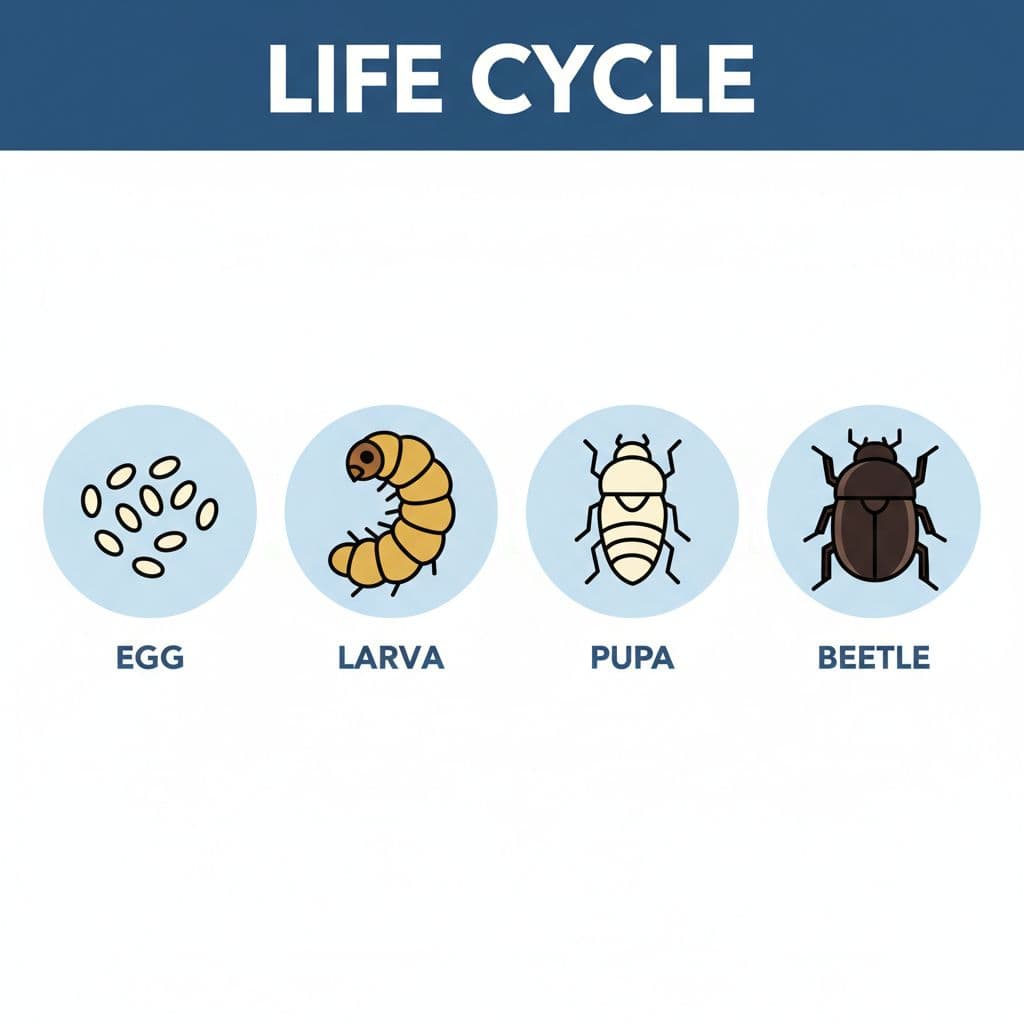
Mealworms provide Kienyeji birds with a dense feed boost in a small package. Scientifically known as Tenebrio molitor, these larvae are increasingly recognized by farmers for their impressive nutritional profile. Whether you are using live larvae or yellow mealworm meal, these insects provide the type of high-quality nutrition that helps birds grow well, stay active, and maintain body condition without complicating the daily feeding routine.
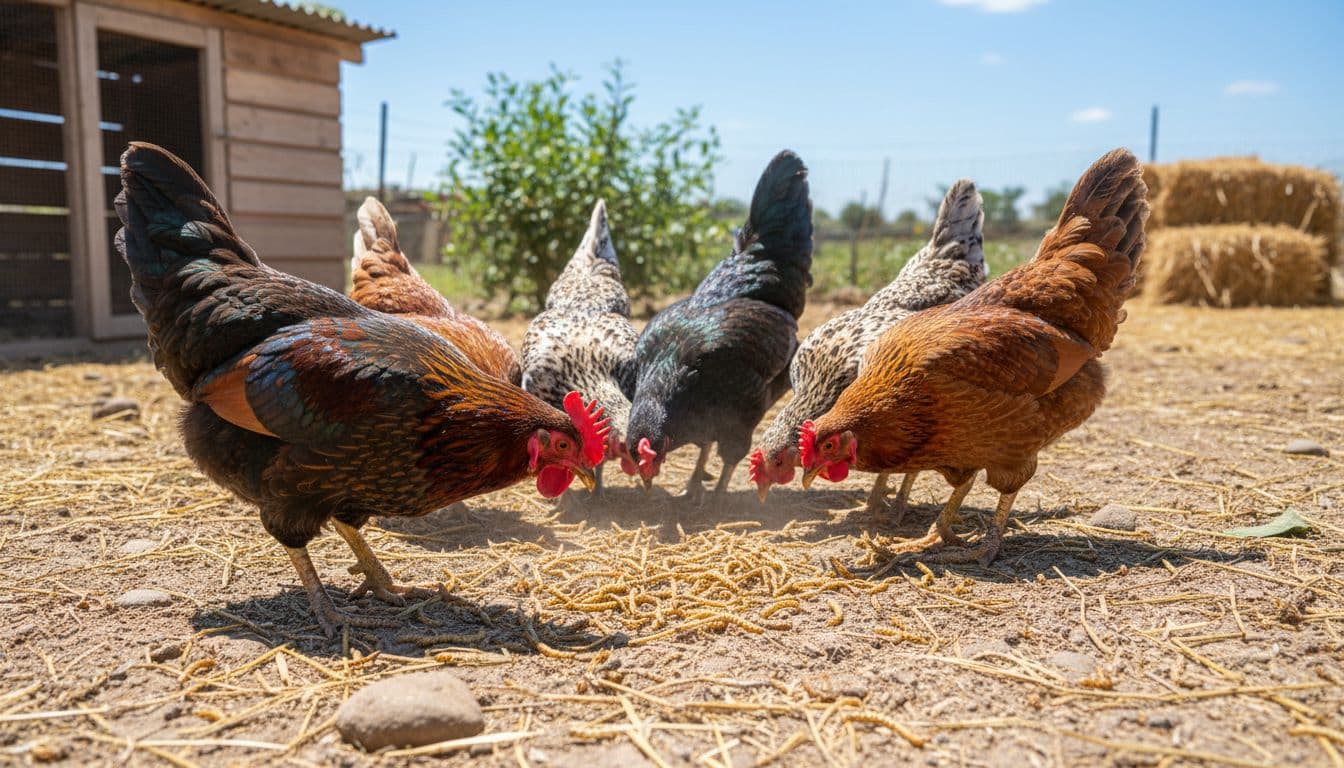
Used correctly, mealworms fit the way local chickens already eat. Because these birds naturally scratch, peck, and search for food, the supplement feels familiar and encourages healthy activity.
### Protein that supports steady growth
Protein serves as the primary building block for chicks and growing birds. It helps them build muscle, repair body tissue, and develop strong frames. For farmers raising Kienyeji chickens for meat or mixed use, this translates to better weight gain and birds that look fuller and healthier.
These insects are rich in protein, making them an excellent supplement when birds need extra support. Young chicks use that protein to grow quickly, while growers rely on it for steady development. Furthermore, mealworms are packed with essential amino acids, which are vital for healthy feather growth. Because feathers consist largely of protein, birds in molt require this nutritional boost to ensure the transition is smooth and less physically draining.
Mealworms should support a balanced ration, not replace it. Birds still need their main feed, clean water, and minerals.
For a broader look at insect nutrition, this review on mealworms as an animal protein source explains why they are valued in the industry. The bottom line is simple; high-quality protein helps Kienyeji birds grow with more consistency.
Healthy fats that add energy
Mealworms also contain healthy fats, which provide chickens with a useful energy boost. Active birds burn energy quickly, especially when they spend the day foraging. Extra energy helps them stay lively and maintain a better body condition.
This is especially important during cold weather, recovery, or periods of stress. A bird with enough energy handles strain better and keeps eating well. The fat in mealworms also makes the feed feel richer. A useful overview from ChickenStarter’s mealworm feeding guide notes that these insects are concentrated in both protein and fat, which explains why small portions go a long way.
For Kienyeji flocks, that extra energy is useful in several situations:
- Growing birds that need fuel for steady development
- Laying hens that need support for daily output
- Molting birds that lose energy while rebuilding feathers
- Weak or stressed birds that need a gentle feed boost
Why birds enjoy mealworms so much
Chickens do not just eat mealworms, they chase them. That simple response keeps them alert and active. It taps into their natural foraging instinct, which is essential for Kienyeji birds that thrive when they can move around the yard.
Activity is beneficial because bored birds often pick at each other. Mealworms break that pattern. A few scattered insects can turn feeding time into a quick burst of movement. This behavior has a clear farming benefit, as active birds tend to look healthier and settle better.
When you incorporate mealworms into a balanced poultry diet, you gain more than a treat. You get a sustainable protein feedstuff that supports growth, feathering, and natural behavior.
Both live mealworms and dried options are excellent for your flock. Live insects offer the added benefit of encouraging intense foraging, while dried mealworms are highly convenient, easy to store, and provide the same concentrated nutrition. You can choose based on your preference and budget, as both forms effectively support the health and condition of your birds when fed in moderation.
How mealworms can improve flock performance
When you add mealworms in the right amount, the changes often show up in plain sight. Birds may grow faster, hold better body condition, and look more active at the feeder, leading to a noticeable improvement in overall growth performance. For Kienyeji flocks, that extra support matters most when birds are young, in molt, or laying regularly.
Mealworms for Kienyeji chicken Kenya farmers work best as a supplement to a solid base ration. They give birds a concentrated dose of protein and energy, which helps fill gaps when the main feed is not enough on its own.
### Better growth in chicks and growers
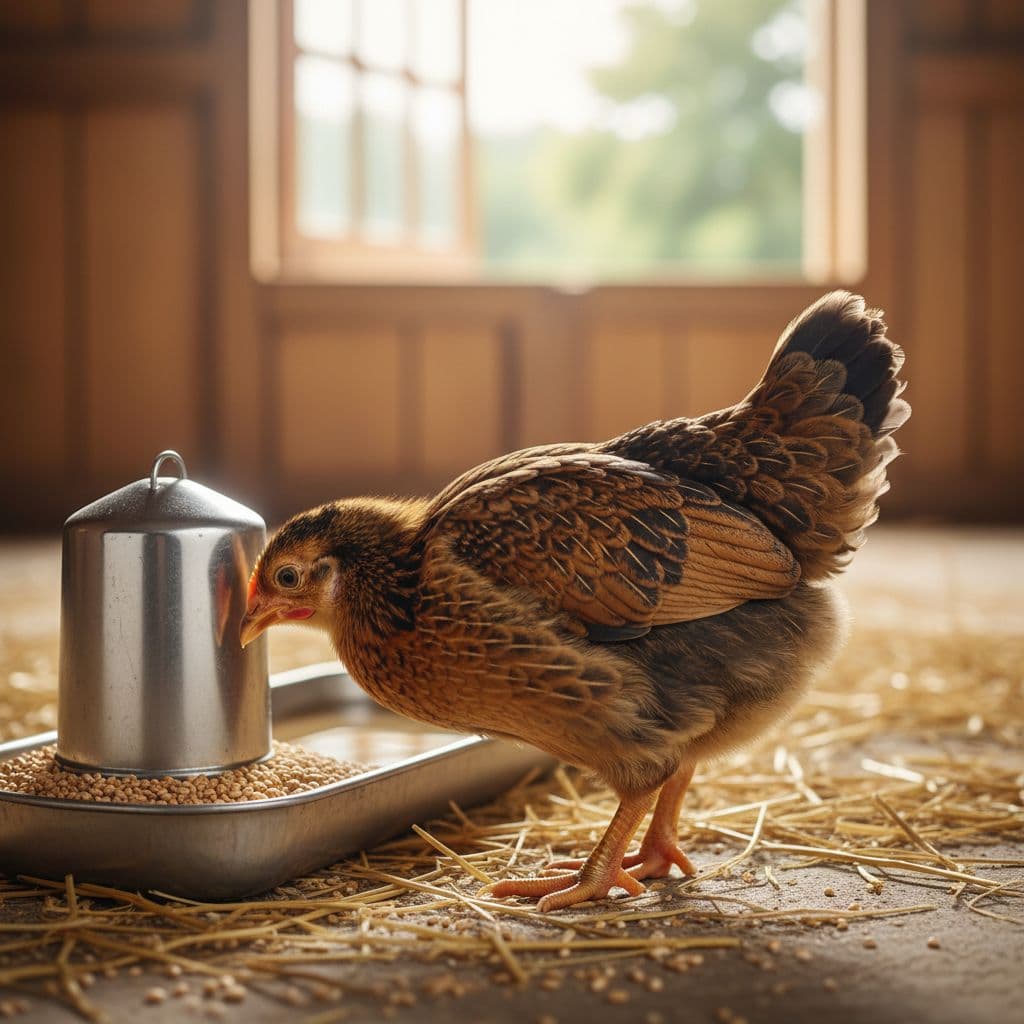
Young chicks need more quality nutrients than mature birds because their bodies are still building fast. If protein levels fall short, growth slows and chicks often look uneven in size. Like research on yellow mealworm meal in broiler chicks, our own observations suggest that including these insects in the starter phase can lead to a significant increase in average daily gain.
By improving the efficiency of nutrient absorption, farmers may also see a better feed conversion ratio, meaning birds get more value out of every kilogram of feed provided. When offered with starter feed, mealworms support stronger bone structure and body development, ensuring that Kienyeji birds reach their target market weight with excellent meat quality. This extra nutritional boost helps develop the firm, lean muscle tissue characteristic of authentic Kienyeji tasting chickens.
Stronger feathers during molting
Molting takes a lot out of a bird. Old feathers fall out and new ones come in, requiring the body to divert significant energy to rebuild the plumage. During the difficult molting season, birds can look rough, eat less, and lose condition if the diet is inadequate.
Mealworms help by supplying extra crude protein when the bird needs it most. That can support faster feather replacement and a smoother return to normal body condition. Layers and free-range birds benefit because better feather cover helps them stay comfortable and active. Farmers may see shorter periods of patchy plumage, less weakness, and a quicker return to good appearance. The bird still needs a balanced ration, of course, but mealworms provide useful support when the flock is renewing its plumage.
Possible support for egg laying and egg quality
Laying hens need consistent nutrition to keep egg production steady. When their diet falls short, output may dip, egg size can become less uniform, and yolk color may look weaker. Extra protein helps fill that gap, especially in birds under pressure from heat or poor feed intake.
Mealworms may support better laying results by helping hens stay in good body condition. Some farmers also notice deeper yolk color or slightly larger eggs when the full diet is improved. Still, the result depends on the whole feeding program, water access, and general care.
Mealworms can support egg performance, but they work best as part of a balanced ration, not as a replacement for layer feed.
If you want the flock to perform well, keep the basics in place:
- clean water at all times
- a proper layer ration or grower feed
- mineral support, especially calcium for laying hens
- mealworms in sensible portions
Used this way, mealworms add value without upsetting the rest of the diet. They are a practical boost, not a shortcut, and that makes them useful for farmers who want steady results from their flock.
How to feed mealworms the right way
Mealworms work best when you treat them as a feed boost, not the whole ration. Whether you are managing a large coop or are among the many backyard chicken keepers in the region, this simple rule keeps your flock healthy, steady, and productive.
Used well, they can support growth, add energy, and make birds more active at feeding time. Used poorly, they can upset the balance of your poultry diet and leave birds missing the basics.
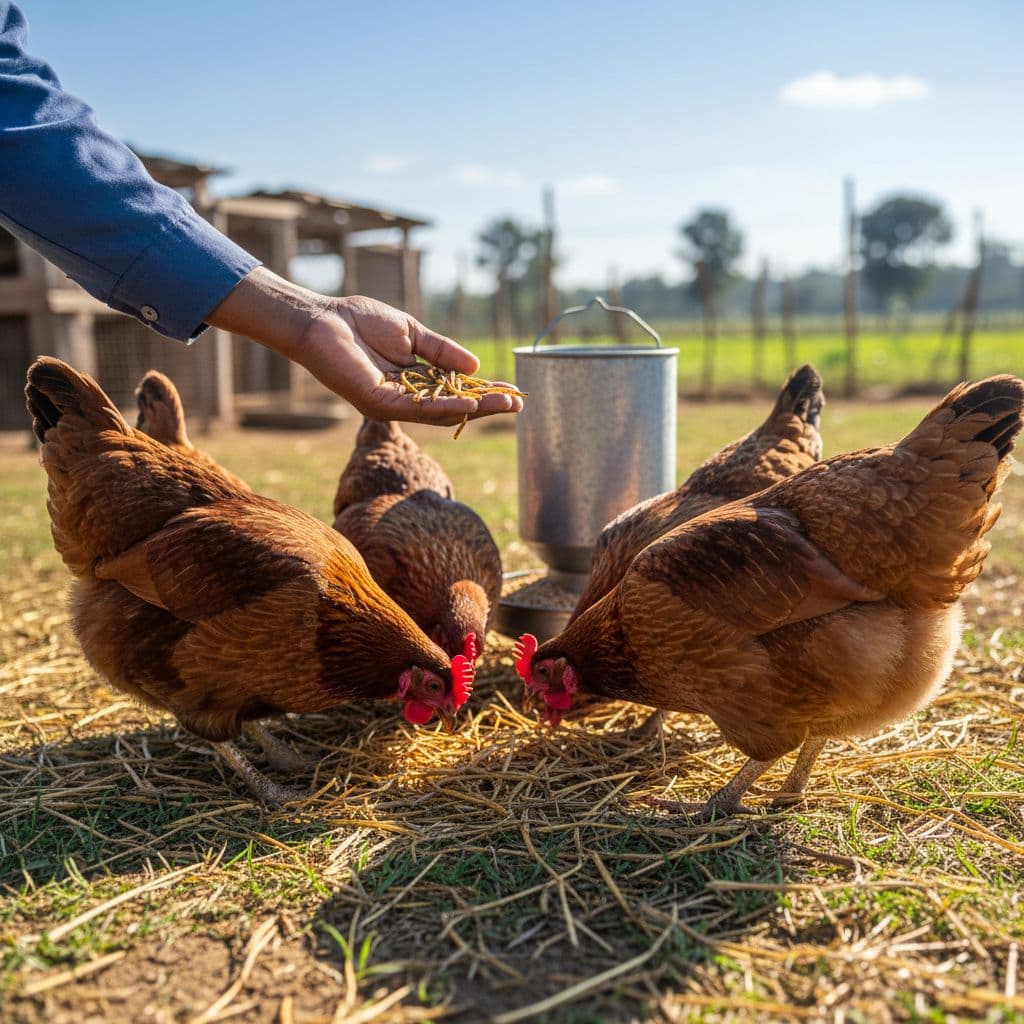
### Use mealworms as a supplement, not the main feed
Mealworms should sit on top of a proper feed program, not replace it. Kienyeji chickens still need complete feed, grains, clean water, and minerals to stay in good shape. If you skip those basics, the birds may grow unevenly or lay poorly.
A balanced ration keeps protein, energy, vitamins, and minerals in the right mix. Mealworms add extra support, but they do not cover every nutrient a chicken needs. That matters even more for laying hens, which need enough calcium for strong eggshells.
A good routine is simple:
- Feed the normal ration first.
- Offer mealworms as a supplemental feed in small portions.
- Keep fresh water in front of the flock.
- Provide calcium, especially for layers.
Mealworms fit well as treats, training rewards, or a top-up feed after the main meal. For example, you can scatter a few worms to encourage foraging or use them to calm birds during handling. For a general reference on moderation, this mealworm feeding guide gives a useful reminder that treats should stay limited.
Mealworms add value when they improve the ration, not when they take over the ration.
Start with small amounts and watch the birds
Begin slowly. Chickens usually love mealworms, so it is easy to give too many too soon. A small amount lets you see how the flock responds before you increase anything.
Watch three things closely: body condition, droppings, and feeding behavior. Birds should stay active, keep steady appetites, and hold normal droppings. If you notice loose droppings, less interest in regular feed, or birds getting too heavy, cut back at once.
A practical way to start is to give a small handful to a small group, then observe for several days. If the birds still eat their normal feed well and stay alert, the amount is probably fine. If mealworms start to replace the main feed, you are giving too much.
Fresh water matters here too. Mealworms are dry, so birds need water nearby to aid digestion and ensure proper calcium absorption. Keeping water available all day helps the birds process their nutrients efficiently and reduces stress, which is especially important in hot weather.
Match feeding to the bird’s stage of growth
Different birds need different amounts. Chicks need support, growers need steady growth, and laying hens need balance. One feeding pattern does not fit every bird in the pen.
For the starter phase, keep portions very small and use mealworms as an occasional top-up. Their main starter feed should do most of the work. For growers, you can offer a little more, especially when they are active and building frame size. For laying hens, mealworms are best as a supplement alongside layer feed and minerals, not as a heavy treat.
A simple guide looks like this:
| Bird stage | How to use mealworms | Main feeding focus |
|---|---|---|
| Chicks (starter phase) | Very small amounts, occasionally | Starter feed, clean water |
| Growers | Small, regular top-ups | Grower feed, crude protein, water |
| Laying hens | Moderate treats or supplements | Layer feed, calcium, water |
Mealworms for kienyeji chicken Kenya farmers make the most sense when feeding stays consistent. Keep the normal ration steady, add mealworms in controlled amounts, and adjust by bird stage. That approach gives you the benefits without upsetting the flock’s balance.
Why mealworms make sense for Kenyan poultry farmers
Mealworms fit the way many Kenyan farmers already raise chickens. They work well in small spaces, they can be produced locally, and they give birds a dense protein boost without a lot of fuss. As an effective alternative protein source, mealworms provide a practical supplement for growers, layers, and free-range birds that need steady, high-quality nutrition.
They also match the realities of small farms where feed costs often dictate success. By turning kitchen waste into high-value protein, farmers can practice a form of organic farming that reduces the need for expensive store-bought inputs. Mealworms answer the need for a feed source that is small in volume but strong in nutrition.
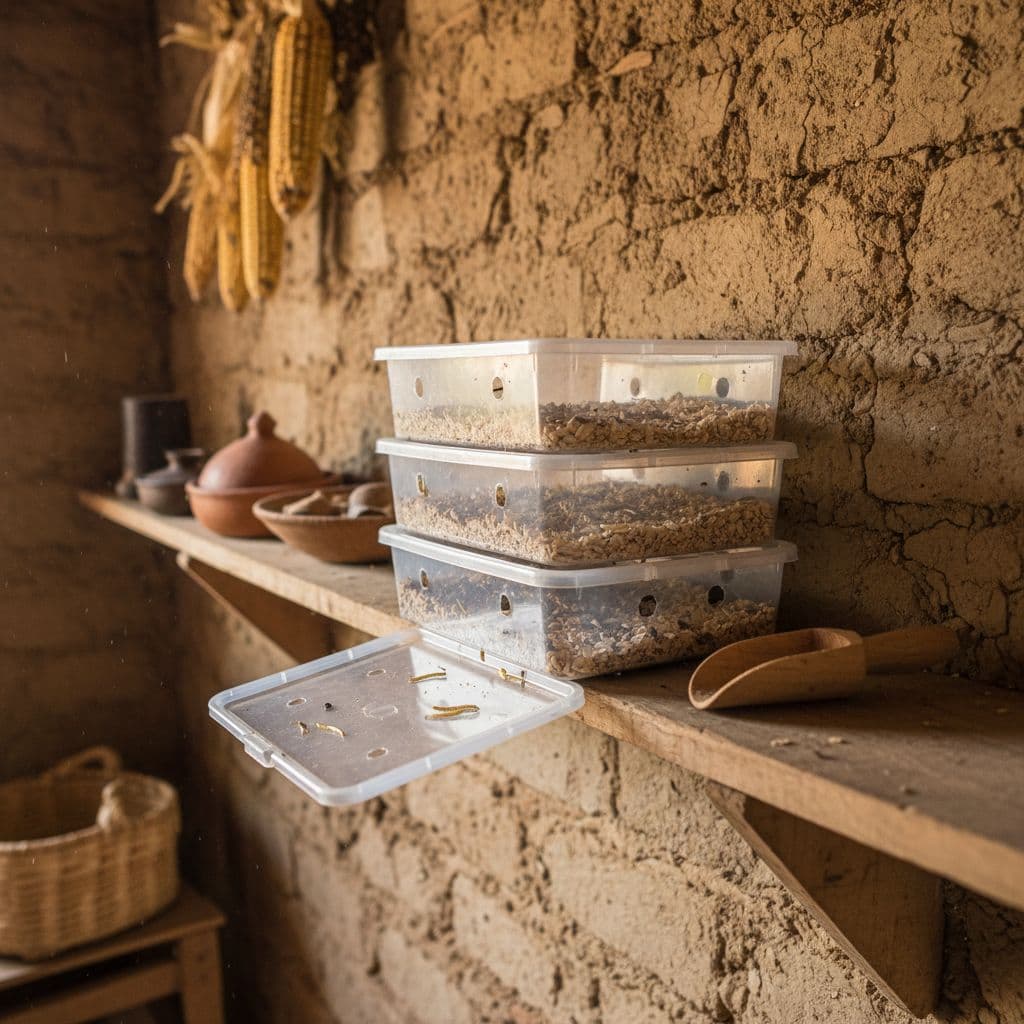
### A practical option for small farms
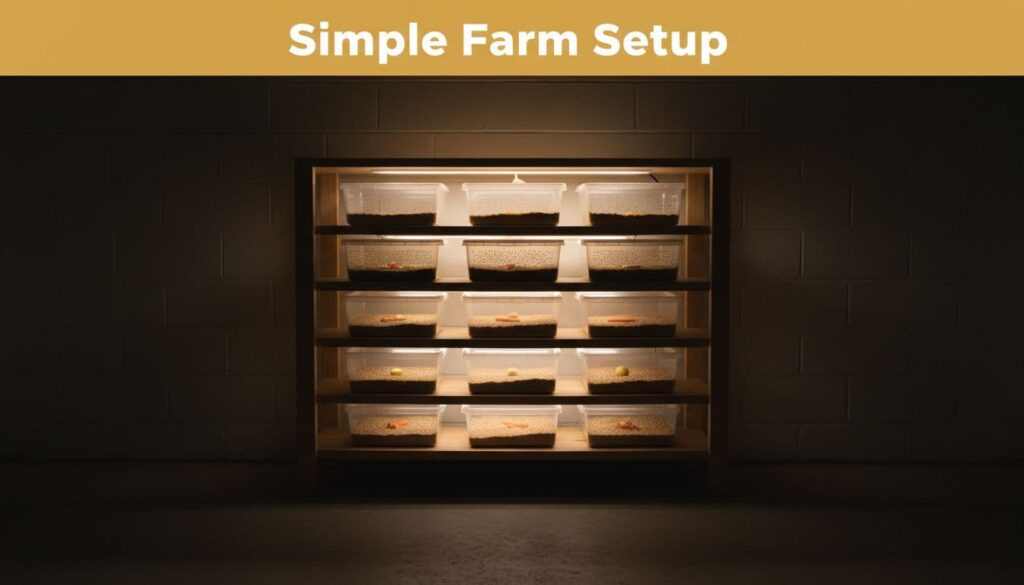
Mealworms suit farmers who do not have much land or capital. A few trays, some dry feed, and a clean corner can be enough to get started. That matters in rural and peri-urban areas where every square meter has a job to do.
Because mealworms are rich in protein, they offer good value in a small serving. Birds need only a modest amount to get a useful boost, so farmers can stretch limited resources further. While the market price for dried mealworms can be higher than traditional ingredients like soybean meal, raising worms at home significantly lowers long-term feed costs per bird. This makes them a smart fit for people who want to improve flock nutrition without relying heavily on expensive soybean meal or other industrial supplements.
They also work nicely with free-range birds. Kienyeji chickens already scratch and peck, so mealworms fit their natural habits. Farmers can use them as a top-up for chicks, a reward for active birds, or a support feed for hens that need extra help.
Mealworms are most useful when they fill a gap in the ration, not when they try to replace the ration.
For farmers who want a simple, home-grown protein source, mealworms are hard to ignore. They are compact, flexible, and easy to fold into daily poultry care.
A more sustainable way to support poultry feed
Kenyan poultry farms depend heavily on feed ingredients like maize and fish meal. Those same crops and raw materials are also needed for people. Insect meal can ease some of that pressure by acting as a viable fishmeal alternative. By incorporating insects into the poultry diet, farmers reduce competition for human food supplies and create a more sustainable system.
This is where mealworms make sense for the wider system, not just the individual farm. They fit into a circular approach where insects help turn waste or low-value inputs into useful protein. Research from icipe has also pointed to large-scale gains if insect-based feed takes a bigger share of the market, including more food available for people, more jobs, and stronger local economic activity. That kind of shift is small at farm level, but it adds up across the country.
For readers who want a broader scientific view, Frontiers’ review on insects in poultry nutrition explains how insect protein can support poultry diets with useful amino acids and digestible nutrients. The message is clear, mealworms can help poultry farmers feed birds well while easing pressure on common feed sources.
Room for small business and rural jobs
Mealworm feeding systems can do more than support chickens. They can also create small business income for farmers, youth groups, and rural entrepreneurs. A farmer who raises worms for local poultry keepers can build a second income stream from the same homestead.
That is important in Kenya, where many households depend on mixed farming. An insect unit can give a family a product to sell, not just a feed to use at home. Over time, that can support jobs in breeding, harvesting, drying, packaging, and local distribution.
There is also a wider economic benefit. Studies linked to insect-based feed in Kenya suggest that expanding this sector could open up employment, keep more valuable crops out of the feed chain, and support poverty reduction in farming communities. In plain language, when farmers buy local protein instead of importing more costly inputs, more money stays in the local economy.
A recent review in Animals journal also notes that insect products can support poultry performance and offer a more sustainable feed path. That lines up well with what smallholders need on the ground, which is reliable feed, healthier birds, and a chance to earn more from the flock.
For Kenyan poultry keepers, the appeal is simple:
- Lower pressure on feed budgets
- More local protein options
- Better support for small rural businesses
- Healthier birds with steady access to protein
Mealworms make sense because they solve more than one problem at once. They feed the birds, support the farmer, and keep more value circulating close to home.
What to look for when buying mealworms in Kenya
Buying mealworms for your flock should be simple, but quality matters. Good mealworms help your birds eat well, stay active, and get the protein you paid for. Poor ones can smell off, carry dirt, or spoil fast in storage, which wastes money and can put your birds at risk.
If you are comparing suppliers for mealworms for kienyeji chicken Kenya, start with freshness, cleanliness, and how the product is packed. A trusted source should offer healthy mealworms for poultry, birds, or other farm uses, with clear handling and storage practices.
Signs of good quality mealworms
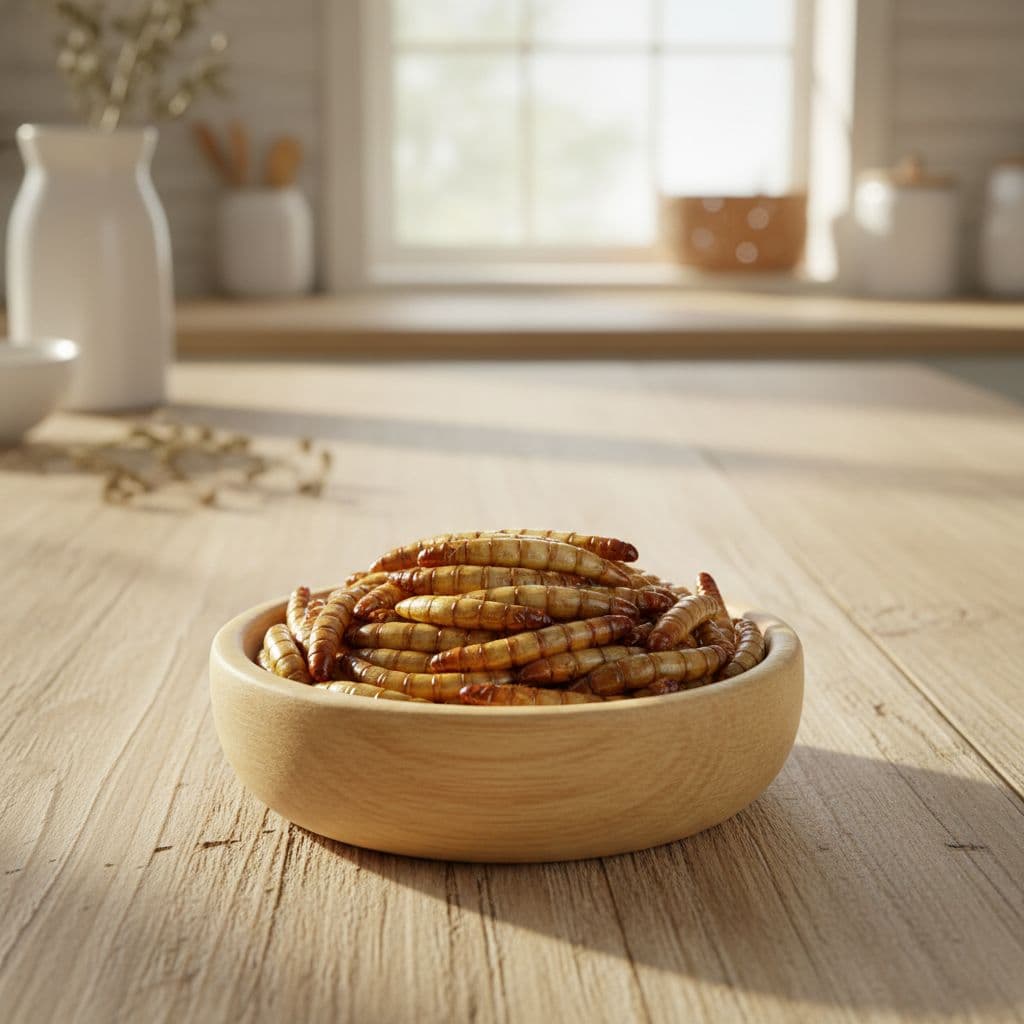
Good mealworms should look clean, dry, and uniform. They should not feel sticky or damp, and they should not carry a strong sour or rotten smell. If a packet smells like mold, discard it.
Use these quick checks before you buy:
- Color: Healthy dried mealworms usually look golden-brown, not blackened or uneven.
- Texture: They should feel dry and crisp, not soft or oily.
- Smell: Fresh mealworms have a mild, natural smell, not a musty one.
- Cleanliness: Avoid mealworms with dust, dirt, or visible mold.
- Packaging: Choose sealed packs or clean containers that protect them from moisture and pests.
If the mealworms look broken up, damp, or dusty, the batch may have been handled poorly.
Live vs. Dried: Which is better?
When choosing between options, consider your specific needs. Live mealworms are excellent for encouraging natural foraging behavior in your flock, as the movement stimulates the chickens to hunt. On the other hand, dried mealworms are far more convenient for long-term storage and easier to incorporate into a daily feed regimen. Most Kienyeji farmers prefer the shelf stability of dried products, but offering live worms as an occasional treat provides great mental enrichment for your birds.
Safety and Parasite Control
Many farmers worry about health risks, but when sourced from reputable suppliers and stored correctly, these insects are safe. Because manufacturers typically heat-treat dried mealworms, harmful pathogens are effectively neutralized, resulting in a clean and reliable protein supplement. If you decide to try raising worms yourself, you maintain even greater control over the substrate and hygiene, which serves as an excellent quality control measure. The main risk to your chickens comes from improper storage rather than the insects themselves. As long as you keep your feed dry and clean, you can feel confident in your choice.
How to store mealworms safely
Mealworms last longer when you keep them dry, cool, and sealed. Moisture is the main enemy. Once they absorb water from the air, they can go bad fast, especially in warm or humid areas.
For small farms, a tight plastic container, jar, or bucket with a firm lid works well. Keep the container in a cupboard or other shaded place, away from sun, fuel, soap, or pesticides. Do not leave the feed near open windows where ants, rats, or cockroaches can reach it.
A few simple habits protect your stock:
- Store mealworms in an airtight container.
- Keep them off the floor and away from heat.
- Check them often for smell, mold, or color change.
- Buy only what you can use within a reasonable time.
In humid weather, seal the container well and check it more often. If you notice a bad odor, visible mold, or unusual darkening, throw the batch away. Basic storage tips also stress keeping your supply in a dry, sealed environment for the longest possible shelf life.
When to buy starter kits or bulk feed
Your buying choice depends on how you plan to use mealworms. If you just want to test them with a few birds, a small ready-to-feed pack is the safest start. It lets you watch how your flock responds without spending too much.
Starter kits make sense when you want to feed mealworms occasionally or try a small breeding setup at home. They are useful for farmers who want to learn the routine first. Bulk feed is better when you already know mealworms fit your flock and you need a steady supply.
A simple way to decide is this:
- Buy a small pack if you are trying mealworms for the first time.
- Choose a starter kit if you want to test feeding and small-scale rearing.
- Go for bulk if you feed birds regularly and can store the product well.
For Kienyeji farmers, the best choice is the one that matches your flock size and feeding plan. A small trial keeps risk low. Bulk buying makes sense once you know your birds take to the feed and you trust the supplier’s quality. That balance helps you avoid waste while keeping your birds well supplied.
Frequently Asked Questions
Can I feed my Kienyeji chickens only mealworms?
No, you should never use mealworms as a complete replacement for standard feed. They lack the full spectrum of vitamins, minerals, and balanced energy required for daily health, so they must be treated as a supplemental protein boost to a proper base ration.
How many mealworms should I give my chickens?
Start with a small, conservative amount to monitor how your birds react and to avoid upsetting their digestion. As a general rule, mealworms should only make up a small portion of their total daily intake, serving as a treat or a nutrient-dense top-up rather than a meal.
Are live or dried mealworms better for my flock?
Both are excellent, but they serve different purposes. Live mealworms are superior for encouraging natural foraging behavior and mental stimulation, while dried mealworms offer the advantage of easier long-term storage and convenience in your daily feeding routine.
Do mealworms help with egg production?
Yes, by providing high-quality protein and amino acids, mealworms can help hens maintain better body condition, which supports consistent egg output. However, for the best results, they should be paired with a high-quality layer feed and adequate calcium supplementation.
Conclusion
Incorporating mealworms into your feeding strategy is a simple, effective way to boost the health of Kienyeji chickens in Kenya. By providing a high-quality protein source, these insects help your birds achieve better growth rates, increased energy levels, and improved feather quality, especially during the molting season.
Beyond nutrition, mealworms encourage natural foraging behaviors, which keeps your flock active and engaged. For small-scale and commercial Kenyan poultry farmers, this makes mealworms an excellent value-add to any production system. They serve as a practical supplement that can be easily integrated into existing routines for chicks, growers, and laying hens without requiring a total overhaul of your current management practices.
Ultimately, balanced nutrition remains the foundation of success in poultry farming. Remember that mealworms work best as a smart, nutrient-dense addition to a well-rounded diet of clean water, essential minerals, and a proper base ration, rather than a total replacement for your standard poultry feed.