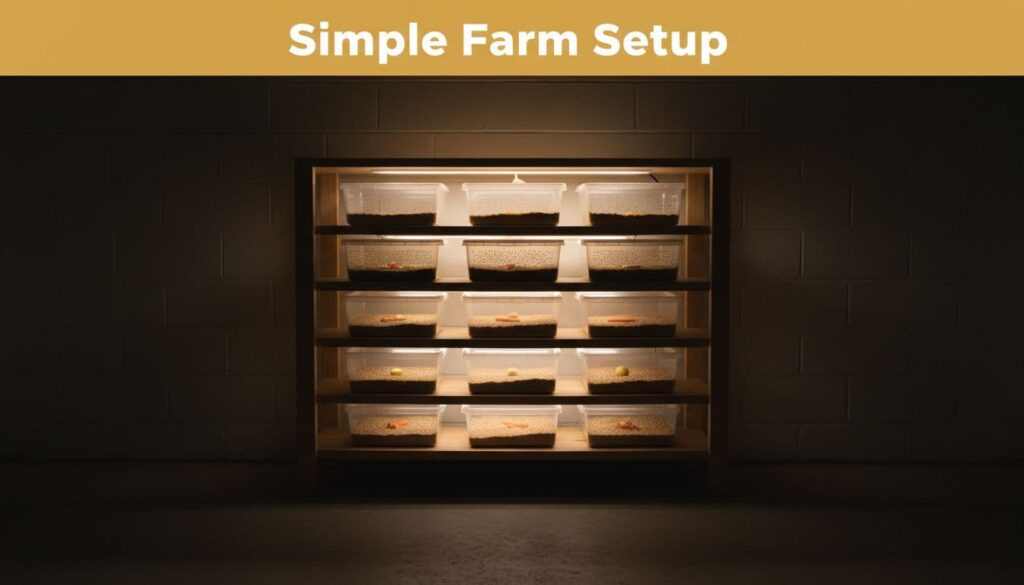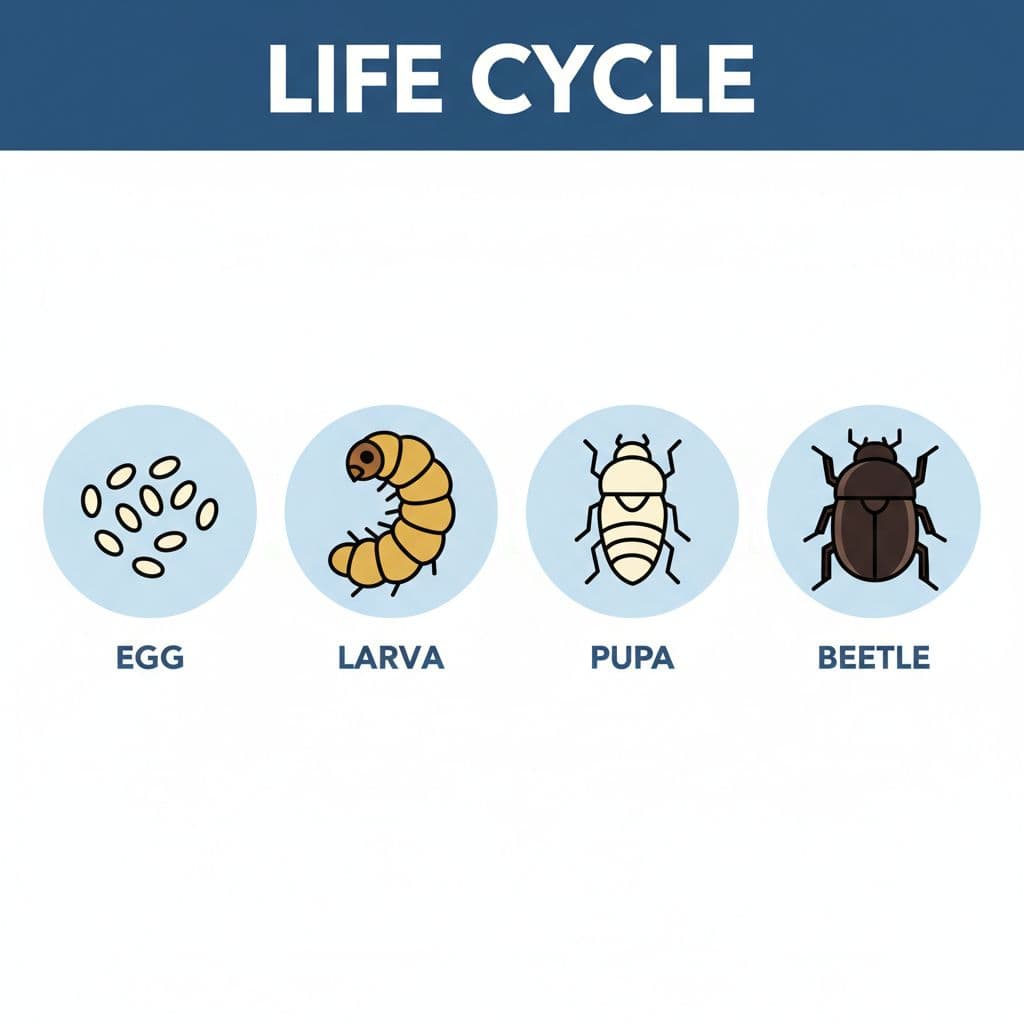


Commercial feed prices have stayed painfully high for poultry farming in Kenya, and many keepers are feeling the squeeze. Rising feed costs for core ingredients like maize, soy, and sunflower cake are creating significant financial pressure, especially since egg and chicken prices often do not rise fast enough to protect profit margins.
That pressure is pushing farmers to look for smarter protein sources. The best answer is not simply the cheapest ingredient on its own. It is a balanced feed plan that provides birds with enough protein, energy, minerals, and vitamins without wasting money.
If you are comparing protein feed options, it helps to know which choices best support growth, egg production, and bird health. Making an informed decision is the most effective way to navigate the landscape of high-quality poultry feed alternatives in Kenya.
Key Takeaways
- Balanced Nutrition is Essential: Regardless of cost-saving measures, poultry require a precise balance of protein, energy, minerals, and vitamins; diluting feed quality with cheap fillers often leads to poor growth and reduced egg production.
- Diversify Protein Sources: Farmers can mitigate high commercial feed prices by incorporating local alternatives such as sunflower cake, moringa leaf meal, and legumes alongside traditional staples like soy.
- Harness Insect Protein: Insect farming, particularly Black Soldier Fly Larvae and mealworms, offers a high-protein, sustainable solution that converts organic waste into valuable feed, effectively reducing reliance on expensive imports.
- Prioritize Feed Safety: Quality control is non-negotiable; always inspect ingredients for freshness and proper storage to avoid mold, rancidity, or contamination that can compromise flock health and lead to costly losses.
Why Kenyan poultry farmers are rethinking protein in feed
Protein is where many feed budgets hurt most. Yet it is also the part you cannot afford to get wrong. Chickens have specific protein requirements to build muscle, feathers, organs, and ensure optimal egg production. When the ration is weak, birds show it fast through a poor Feed Conversion Ratio. Broilers grow slowly, layers drop in output, and young birds feather poorly.
A good alternative has to meet four tests. It must be affordable, easy to find, safe, and useful in a real ration. That matters because many farmers now mix part of their feed at home or combine commercial poultry feed with local feed ingredients. In that setting, utilizing local sources can cut production costs and support circular farming, especially when they come from farm byproducts or insect production.
What poultry need from protein, energy, and minerals
Protein does one job, but not every job. Birds also need energy, usually from maize or other cereals, so they can use that protein well. They need calcium and phosphorus for bones and shells, alongside salt, vitamins, and clean water. Because nutritional requirements change as birds mature, you must provide the right balance whether you are using chick mash for starters, growers mash for development, or layers mash to sustain output.
So, no single ingredient can carry the whole ration. Moringa leaves are useful, but they will not replace energy feeds. Fish meal is rich in protein, but it will not supply all minerals at the right level. Even excellent high-protein poultry feed in Kenya must sit inside a balanced, stage-appropriate mix.
The cost problem behind traditional feed ingredients
Soybean meal, fish meal, and maize are still common in poultry diets, but they can be costly and uneven in supply. As of May 2026, Kenyan farmers are still dealing with high feed prices, expensive raw materials, and thin margins. Some even report that imported feed can land at a lower cost than local alternatives.
When prices jump, farmers often react by diluting feed quality. They reduce protein, stretch rations with low-value fillers, or buy poor-quality ingredients. That saves cash for a week, but the flock pays for it later.
Lower-quality feed usually means slower weight gain, smaller eggs, weak shell quality, and more days to market. A cheap ration can become the most expensive mistake on the farm.
Commercial poultry feed often commands a premium price due to logistics, processing, and brand markups, while homemade chicken feed can significantly lower costs by utilizing local protein sources and farm byproducts. However, homemade rations require a higher initial investment of time for sourcing, balancing, and processing to ensure the feed remains nutritionally complete.
Ultimately, while local ingredients can reduce direct cash outlays, the cost difference narrows if you factor in the labor required to avoid quality issues that lead to poor growth or lower egg production.
The best high-protein poultry feed alternatives in Kenya
Kenya offers several practical options for sustainable poultry feeds that go beyond standard commercial mixes. Some serve as primary protein ingredients, while others act as support feeds to reduce total production costs when managed correctly. The key to success is understanding where each ingredient fits into the nutritional profile of your flock.
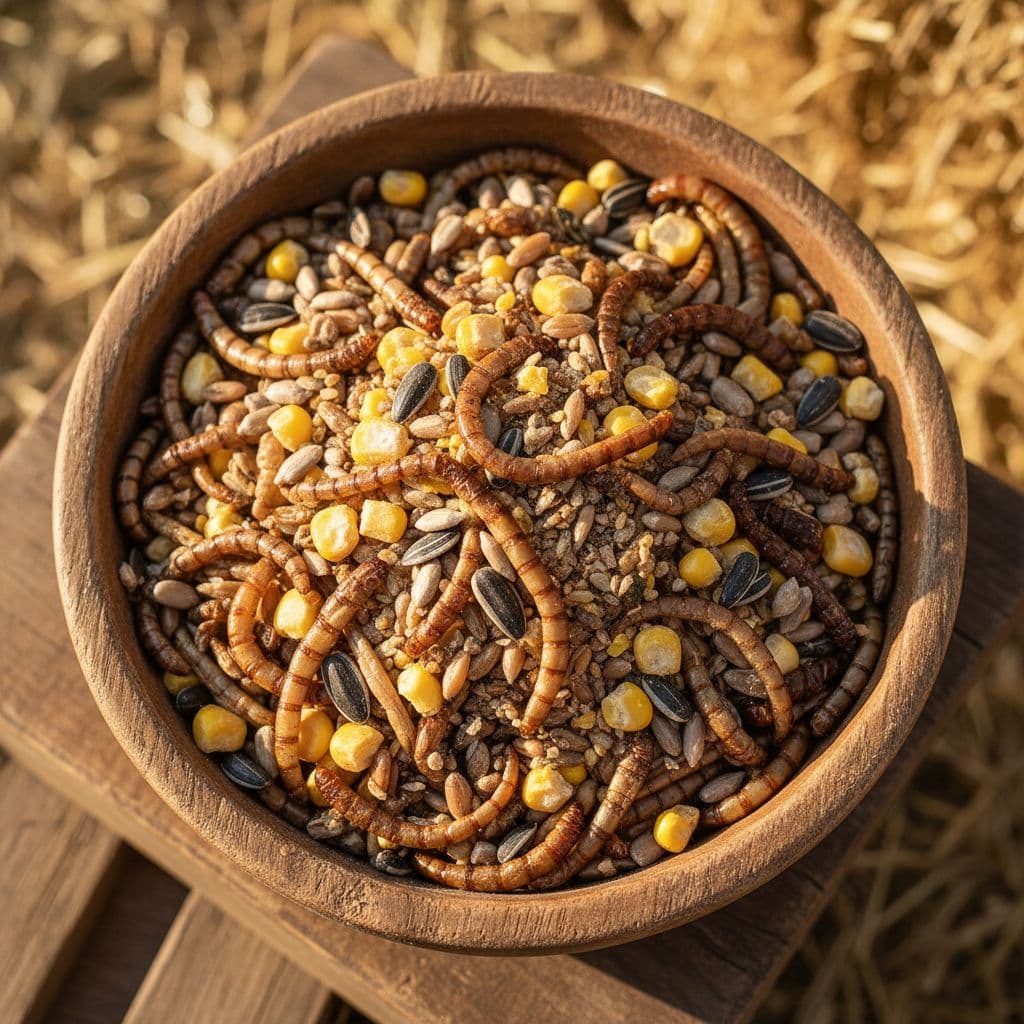
Photo by AI GeneratedFarmers can source these protein alternatives from local grain millers, specialized insect farming enterprises like those supported by the INSEFF program, and agricultural markets for oilseed cakes and legume meals. Many farmers also choose to process farm-grown byproducts or cultivate insect larvae directly on-site to ensure a consistent, cost-effective supply.
Plant-based protein sources that are easy to find
Soybean meal remains one of the most effective plant proteins for poultry because birds digest it well and it provides a balanced profile. The primary hurdle is price. When it becomes too expensive, farmers often turn to sunflower cake, maize germ, cotton seed cake, moringa leaf meal, and legumes such as pigeon peas, cowpeas, or beans.
Sunflower cake is common and useful, especially in grower and layer diets. Maize germ is also a staple; it adds energy and some protein to the ration, although it is not a complete protein source on its own. Moringa leaf meal adds significant value, and a report from KALRO explains why many farmers use it to enrich chicken rations effectively.
Cotton seed cake can lower costs, but careful usage is essential. Excessive amounts can reduce performance, and quality often varies. Legume meals can help, especially when roasted or processed properly, but they still require balancing with energy and mineral sources to meet the nutritional needs of the birds.
Animal and insect protein options that can boost growth fast
Fishmeal, including omena, is a favorite for driving fast growth and strong egg production because it packs dense fish protein and essential amino acids. Fish waste can also be utilized, but only when it is fresh, cooked thoroughly, dried well, and stored safely. Rancid fish ingredients can spoil the quality of the entire ration.
Insect protein is now one of the most promising alternatives for modern farming. Black soldier fly larvae, maggot meal, termites, and mealworms all provide high protein levels, and they are increasingly popular because they convert organic waste into high-quality feed. A study on black soldier fly larvae diets in Kenyan chickens found that this insect meal can support growth and improve cost-benefit results in improved indigenous chicken. This matters because insect farming turns organic waste into valuable nutrition, which reduces pressure on fish stocks and expensive imported protein ingredients. For broilers and growers, these insects provide the necessary amino acids to drive better gains without relying solely on fishmeal.
Low-cost farm byproducts that can help, if used well
Brewer’s spent grains are popular because they are cheaper than many commercial ingredients. They add protein and fiber, but they spoil fast if left wet, meaning drying and proper storage are vital. Additionally, Azolla is an excellent high-protein aquatic plant that farmers can cultivate to supplement bird diets. Clean kitchen scraps, vegetable leftovers, and farm greens can also reduce feed costs, but they should be viewed as support ingredients rather than full replacements.
Pumpkin leaves, sweet potato vines, black nightshade, and other safe greens can add essential nutrients, especially for free-range birds and mixed village systems. Clean kitchen scraps work best when they are fresh, plant-based, and free from oil, salt, plastic, or rot.
A low-cost feed only helps when birds can digest it, and when it stays clean.
Used well, these byproducts stretch a ration. Used badly, they dilute the nutritional value your birds need to thrive.
How to choose the right feed option for your flock
The right ingredient depends on your birds, your market, and what you can buy every week. For instance, a broiler farmer near a fish market may use omena effectively, while a layer farmer with access to sunflower cake and limestone may build a stronger ration at a lower cost. If you are raising Kienyeji chicken, you might rely more on scavenging, greens, and insects, while topping up their diet with a balanced mix.
Price alone should never decide the ration. Instead, check for availability, storage life, bird age, and feed safety. Young chicks have specific nutritional requirements and need highly digestible feed to thrive. Layers need steady calcium and protein intake, while growers can handle a wider range of ingredients as long as the mix remains consistent.
What works best for broilers, layers, and free-range birds
Broilers need quick growth, so they respond well to high-quality protein from soy, fish meal, or well-made insect meal. When managing these birds, provide a high-protein broiler starter early on, transitioning later to finisher pellets to ensure consistent weight gain. Layers require a steady intake rather than short bursts of nutrition. If protein levels slip too low, both egg production and shell strength often suffer.
Free-range birds can pick termites, worms, grasses, and scraps on their own, but scavenging alone rarely meets their full needs. They still benefit from a base ration, especially in dry seasons when natural feed is scarce.
Signs a protein source is safe and worth buying
Good feed ingredients are easy to spot when you take the time to evaluate them:
- They smell fresh rather than sour, moldy, or rancid.
- They are properly dried rather than damp or caked, which helps prevent unnecessary feed wastage.
- They come from a trusted supplier who maintains steady quality.
- They are free from visible dirt, plastic, glass, and droppings to ensure optimal bird health.
Some ingredients also require specific processing. Cotton seed cake must be used with care, and cassava products require proper drying and handling before they are safe to consume. Finally, remember that rotten maize, moldy feed, and dirty scraps should never enter a poultry ration, as these can quickly compromise your flock.
How mealworms fit into Kenya’s future poultry feed
Mealworms deserve special attention because they combine nutrition with a practical farm model. They are rich in protein, easy to handle in dried or live form, and fit well into small-scale production systems. For farmers trying to reduce dependence on expensive feed inputs, that matters.
Why insect protein is gaining attention
Insect meals help because they can be produced locally and with less waste. A PLOS study on farmer attitudes to insect feeds notes that insect feeds often contain about 40% to 60% protein on a dry matter basis, which is why they keep drawing interest as substitutes for fish and soy. While mealworms are a popular choice, Black Soldier Fly Larvae are also becoming a critical component of these high-protein diets. By providing essential nutrients that improve overall flock health, these insects can significantly lower mortality rates in young birds.
Research from icipe’s INSEFF program adds a wider economic picture. Scenario modeling suggests that replacing 5% to 50% of conventional poultry feed protein and energy sources with insect-based feed could free enough maize and fish to feed about 470,000 to 4.8 million people each year. The same work projects thousands of jobs, stronger farm income, and lower pressure on food resources that people also need.
Kenya’s insect-feed sector is already moving beyond theory. INSEFF reports that several Kenyan businesses now produce thousands of metric tons of dry insect protein, proving that sustainable poultry feeds are a viable reality for the region. As with mealworms, integrating Black Soldier Fly Larvae into local production models shows that a reliable, home-grown supply is possible.
Where mealworm-based feed makes sense for small farmers
Mealworms make sense where commercial feed is costly, unreliable, or both. They are a good fit for small broiler units, layers, chicks, and free-range birds that need a protein boost. They also suit farmers who want a cleaner, more controlled alternative to random maggot collection or poor-quality scraps.
Mealworms should still be part of a balanced ration, not the whole ration. Used that way, they give farmers a dependable protein source that fits local production and supports a stronger feed system.
Frequently Asked Questions
Can I replace all commercial feed with farm-grown ingredients?
While you can significantly reduce reliance on commercial products, it is risky to replace 100% of the diet with unverified homemade mixes. Successful home-mixing requires careful balancing of proteins, energy, and minerals to meet specific bird age requirements, which is difficult to replicate without technical expertise or professional formulation.
Are kitchen scraps and greens safe for all chicken breeds?
Kitchen scraps can be a great cost-reducer, but they must be fresh, plant-based, and free from salt, oil, or signs of rot. These should be treated as supplementary nutrition for free-range or Kienyeji birds rather than a primary protein source, as they lack the density required for high-production layers or broilers.
Why is insect protein considered a viable alternative for small-scale farmers?
Insects like Black Soldier Fly Larvae and mealworms provide a highly digestible protein source that can be produced locally on-site using organic waste. They are particularly valuable for small-scale farmers because they offer a consistent, high-quality nutrient boost that can lower mortality rates and reduce the financial burden of purchasing commercial protein supplements.
How can I tell if my local feed ingredients are of good quality?
High-quality ingredients should smell fresh, be free from mold, and appear properly dried with no signs of moisture or caking. Always ensure the source is clean and free from impurities like plastic, glass, or animal droppings, and avoid any ingredients that show signs of pest infestation or souring.
Conclusion
The best poultry feed choice for your farm is one that stays high in protein, balanced, safe, and affordable over time. While expensive ingredients like soy and fish meal remain effective, local alternatives such as sunflower cake, moringa, brewer’s grains, insects, and safe farm greens can significantly lower feed costs when they are mixed properly.
Careful testing is essential for success in poultry farming in Kenya. Always start with clean ingredients, ensure your ration matches the specific needs of your bird type, and avoid anything moldy or poorly processed.
Adopting these smarter feed choices does more than just protect flock health. It helps you build a sustainable poultry business that can remain profitable and resilient even when market feed costs rise again.