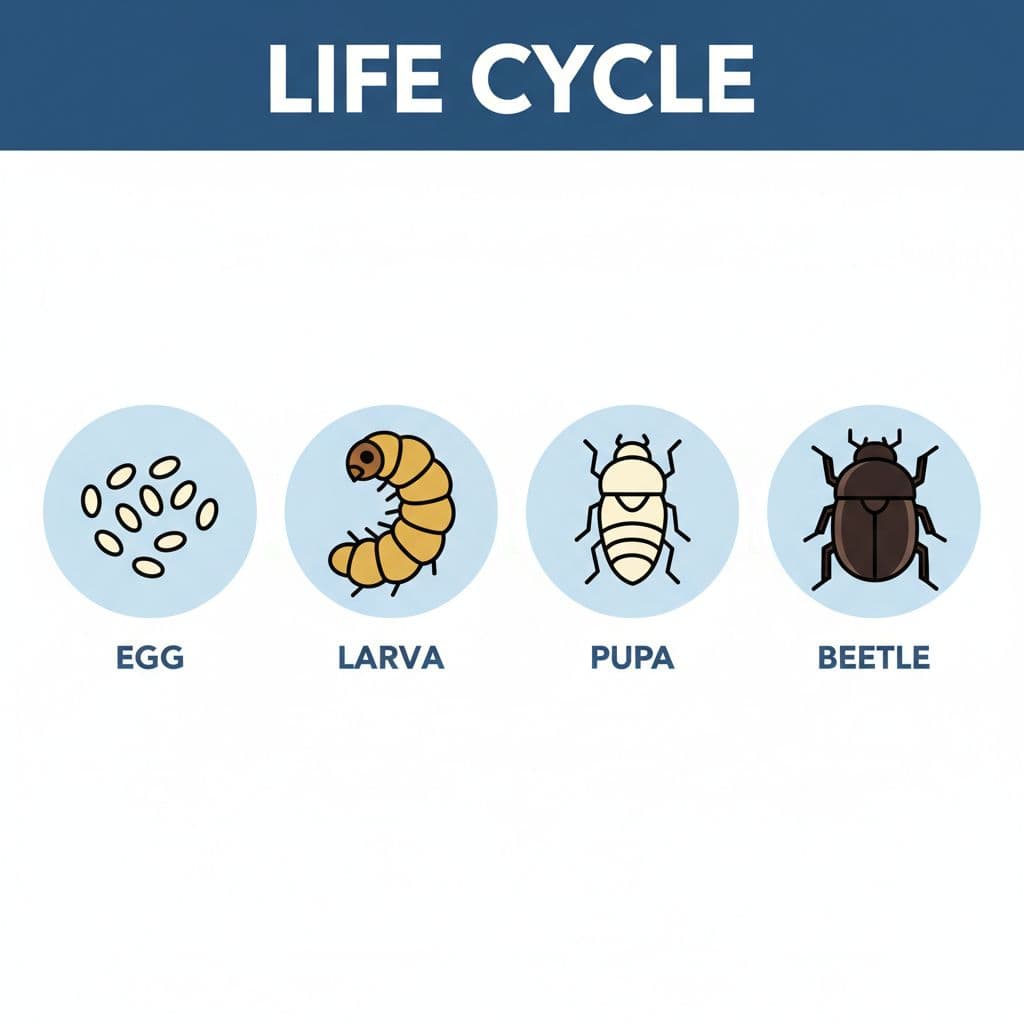


Dark mealworms are the larval stage of the darkling beetle, and more people throughout the country are paying attention to this resource. Dark mealworms in Kenya are gaining popularity for one clear reason: they pack a concentrated amount of protein into a small, easy to handle feed item. For chicken keepers, bird enthusiasts, and small farmers, these insects provide a smart nutritional boost when birds require extra strength or vitality.
The key point is simple. These mealworms serve as a valuable supplement, not a complete feed on their own. When used correctly, they can support poultry health, attract insect eating birds to your property, and fit perfectly into low waste farming systems.
Key Takeaways
- Protein-Dense Supplement: Dark mealworms act as a high-quality protein booster for chickens and wild birds, particularly during growth, molting, or periods of seasonal stress.
- Sustainable Farming Integration: They support a circular economy by turning low-value organic side streams into valuable animal feed and organic fertilizer (frass).
- Strategic Use, Not Replacement: To maintain a balanced diet, mealworms should only be used as a portioned supplement alongside nutritionally complete commercial rations rather than as a sole food source.
- Economic Advantages: Local production offers smallholders a way to stabilize rising feed costs, reduce reliance on imported ingredients, and create entrepreneurial opportunities in the insect sector.
What dark mealworms are and how they fit into Kenyan farming
Dark mealworms are beetle larvae rather than true worms. In Kenya, this term often refers to Lesser mealworms, known scientifically as Alphitobius diaperinus. These insects are members of the Tenebrionidae family and are frequently found in poultry houses across the country, where they thrive in warm, dry environments. They are increasingly popular because they provide a high-quality, convenient source of insect protein that is easy to dry for storage or sell as a live supplement.
This is a vital development for Kenyan agriculture as feed costs continue to climb. A farmer with a small flock, a bird owner, or a backyard poultry keeper can use these larvae to boost nutrition without needing to replace their entire feeding system. They require very little space, which makes them an ideal solution for urban and peri-urban farming.
### How dark mealworms differ from yellow mealworms
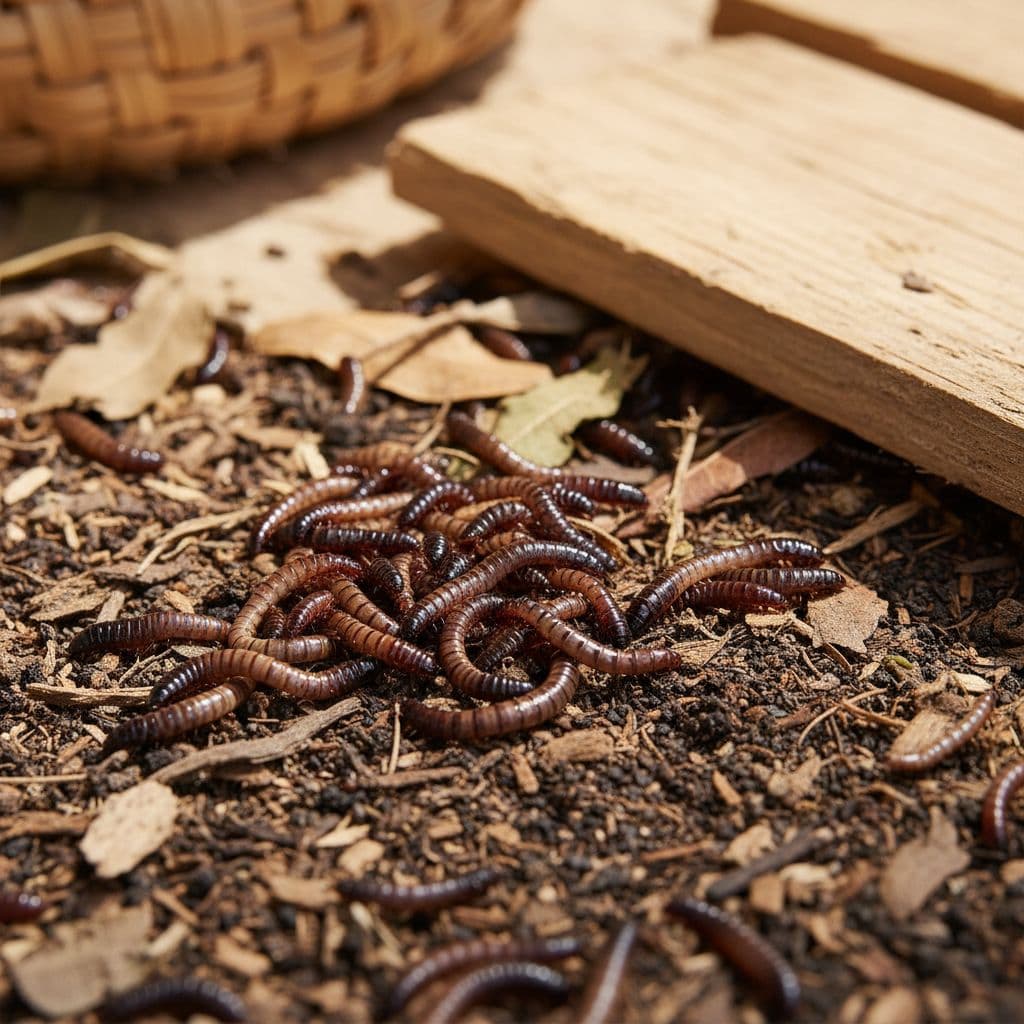
The easiest way to compare these two is by looking at their size, color, and specific use cases within the local market.
| Type | Typical appearance | Common use in Kenya | Feeding note |
|---|---|---|---|
| Lesser mealworms | Smaller, darker, more active | Poultry treats, wild bird feed, starter colonies | Rich and best in modest portions |
| Yellow mealworms | Larger, golden-brown | General feed supplement, pet and bird use | High in protein, often easier for beginners |
Both types originate from the Tenebrionidae family, and both serve as excellent animal feed. The primary difference for most buyers is practical. Lesser mealworms often suit those who want a compact, active feeder insect for chickens or wild birds, while yellow mealworms are frequently viewed as the standard for general insect protein production.
Why Kenyan farmers and bird keepers are interested in them
For many people exploring the potential of dark mealworms in Kenya, the appeal is clear. Birds consume them eagerly, they are simple to store in a dried state, and they can be produced locally on a small scale. This provides a necessary buffer against the rising prices of commercial feed.
Interest is also growing because insect farming aligns with the operations of many small farms. Farmers are seeking inputs that maximize productivity in limited spaces while minimizing waste and reducing reliance on expensive imported ingredients. While trends in Kenya show that black soldier flies are currently more common, the economic pressures driving that sector, such as the demand for affordable insect protein and better organic waste management, also support the rise of mealworm production.
Bird keepers are particularly drawn to them because they are clean, easy to portion, and can be offered in trays or bowls with very little mess.
Benefits of dark mealworms for chickens and wild birds
Dark mealworms, often known as lesser mealworms, provide essential support when birds require a boost in protein and fat. This supplementation is particularly valuable during periods of rapid growth, feather repair, breeding, or recovery after stress, as well as during seasons when natural insects are scarce.
How they support chickens during growth and molting
Young chickens require significant nutrition to build muscle and feathers, making high-quality insect protein an important addition to their diet. A small amount of these larvae, which are frequently harvested from poultry houses, can be added to a balanced grower ration to support development, especially when birds seem slow to gain condition. By providing this extra nutrient density, farmers often see improved survival rates in young chicks.
Molting birds also benefit greatly from this supplement. Feathers are composed primarily of protein, and hens often appear lethargic or ragged when they lose their old plumage. During this stage, dark mealworms can help birds regain their body condition while the primary feed continues to supply necessary calcium, energy, and vitamins. Layers often show improved performance when this protein boost is available during intense periods of feather repair and recovery.
Use them with restraint, however. A small handful shared across a flock is more effective than large daily amounts. This approach maintains the birds’ interest without causing them to ignore their primary, nutritionally complete feed.
Why bird watchers use them in feeders and trays
Bird watchers appreciate using mealworms because many insect-eating species spot them quickly. A shallow tray, low feeder, or open dish often works more effectively than a deep tube feeder. Because live mealworms exhibit movement, they capture the attention of birds immediately. Dried mealworms are also a convenient alternative, as they are easier to store while remaining a nutritious option when offered in small, consistent amounts.
Bird-feeding advice in Birdful’s guide to mealworms for wild birds highlights a pattern many enthusiasts notice in their own gardens: these insects are most helpful when adult birds are breeding, feeding chicks, or struggling to locate sufficient natural prey.
This makes them an excellent seasonal tool. They are not required in massive volumes, but they can attract regular visitors and provide critical support to nesting birds when their energy demands are at their peak.
Why moderation matters when feeding mealworms
Mealworms are a rich food source. This density is their primary strength, but it is also the reason why portions should remain sensible. If chickens or wild birds fill up exclusively on these insects, they may consume less of the balanced feed that provides essential minerals, fiber, and other nutrients.
Treat dark mealworms as a protein boost, then keep the main ration balanced.
The same warning appears in Vine House Farm’s feeding guide, which recommends offering mealworms alongside other foods rather than relying on them as a sole source of nutrition. This rule applies equally to poultry. Small, measured amounts support the overall diet, while excessive feeding can disrupt the nutritional balance needed for long-term health.
How dark mealworms support sustainable farming in Kenya
Dark mealworms matter for more than just feeding livestock. They represent a wider shift toward local protein production, cleaner farm systems, and the efficient use of agricultural side streams. Kenya is seeing significant growth in the insect sector as farmers seek affordable feed and flexible income sources, and mealworms are an ideal fit for small-scale operations.
Using mealworms as part of a circular economy
Mealworm farming turns low-value organic materials into high-value outputs. Farmers typically use grain by-products and safe vegetable matter to rear the larvae, which then serve as nutrient-rich feed. The byproduct, known as frass, serves as a high-quality organic fertilizer for crops. This approach mirrors the principles of a circular economy, where waste is minimized and resources are regenerated.
The International Centre of Insect Physiology and Ecology (icipe) has been at the forefront of this movement, linking insect farming with sustainable waste management and reduced reliance on conventional feed ingredients. Recent research from the International Centre of Insect Physiology and Ecology explores the potential of Lesser mealworms in bioremediation applications. Through advanced mitogenomic profiling, researchers are studying these insects as plastic-eating insects capable of plastic degradation. Specifically, these larvae can consume synthetic polymers like polystyrene and styrofoam. This process is driven by their unique gut microbiome and complex microbial communities, which include bacteria from the Enterobacteriaceae family, such as Kluyvera, Klebsiella, Lactococcus, and Citrobacter. These bacteria facilitate the enzymatic degradation of plastic materials, offering a potential breakthrough for industrial waste management solutions.
However, it is crucial to note that this research focuses on plastic pollution control rather than feed production. Under no circumstances should plastic-fed insects be used as animal feed. The study of polystyrene consumption is strictly limited to environmental science, not agricultural nutrition.
What this could mean for smallholder farmers and entrepreneurs
For a smallholder, local insect protein can reduce dependence on expensive feed inputs. Even when mealworms only replace a small share of purchased supplements, they help stabilize feed bills and provide a buffer during market price spikes.
There is also a strong business angle to this practice. Mealworm farming can begin on a small scale and eventually expand into the sale of live larvae, dried feed, breeding stock, or frass. In Kenya, this model creates opportunities for youth and women, fostering small enterprises that serve local buyers. Furthermore, integrating insect-based feed helps reduce the regional pressure on fishmeal and maize, which often suffer from supply shortages and high costs.
While dark mealworms are protein-dense, they should be viewed as a targeted supplement rather than a total replacement for commercial poultry rations in Kenya. Because commercial feed is formulated to provide a balanced profile for optimal growth and egg production, mealworms are best utilized to offset specific costs by reducing the need for expensive protein-heavy concentrates during critical growth or laying stages.
Buying, storing, and using dark mealworms the right way
Good results start with high-quality stock. Whether you choose to buy live or dried larvae, quality matters more than volume.
What to look for before you buy
First, check the source. Buy from a clean supplier that handles feed insects properly and can verify whether the Lesser mealworms are intended for feeding, breeding, or both. Purchasing from reputable, controlled sources ensures the larvae are free from the contaminants and pathogens often found in wild poultry houses. This significantly reduces the risk of introducing weak or unhealthy insects into your farm.
Also, look for a few simple signs:
- Live larvae should be active and free of any sour odors.
- Dried insects should be crisp, dry, and free of moisture or mold.
- The container should appear clean, containing minimal debris or dead insects.
- The batch should be appropriate for your specific goal, whether that is wild bird feeding, poultry nutrition, or starting your own production.
If you are new to the practice, a starter pack or expert guidance from the seller can be invaluable. This support matters because beginners often overfeed, store live larvae at temperatures that are too high, or buy more stock than they can manage.
Farmers can specifically purchase starter colonies from local agricultural hubs, insect-rearing startups, and specialized poultry supply retailers that focus on sustainable animal nutrition. Organizations linked to research centers like icipe often provide guidance on finding reputable local breeders who maintain high-quality, healthy stock for small-scale production.
Simple storage and feeding tips
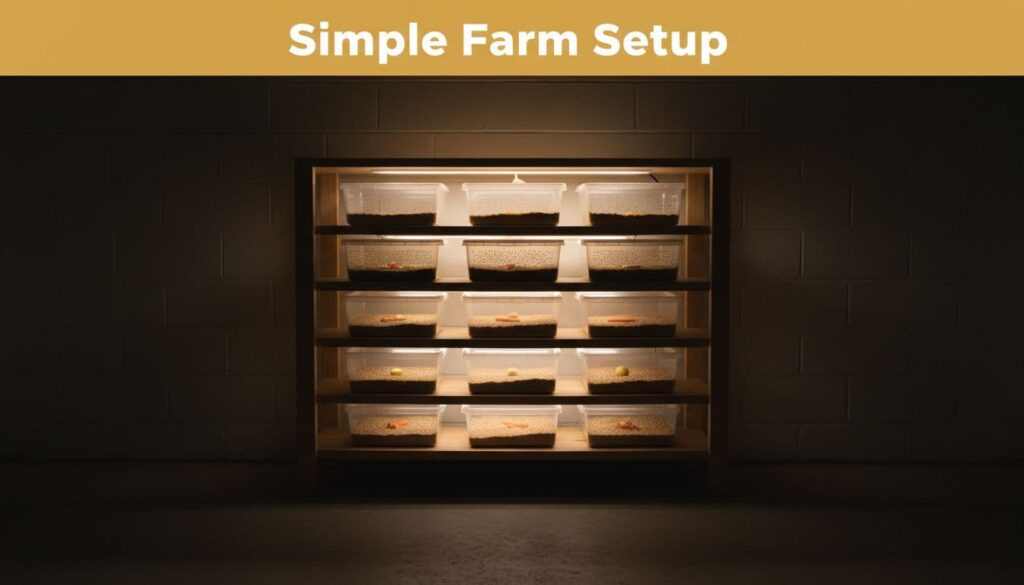
Store dried mealworms in a sealed container in a cool, dry place, as moisture ruins them quickly. For live colonies, use wheat bran as a clean bedding substrate, which helps maintain higher survival rates for your larvae. Keep the containers in a well-ventilated area with steady temperatures. Remove any dead insects, avoid direct sunlight, and keep the colony clean to ensure the stock remains useful for as long as possible.
When feeding, start with small amounts. Mix a small portion into the routine and watch how your birds respond. Chickens should still receive their usual mash or pellets, and wild birds require a varied feeding setup. If you want extra reading on timing and portions, this mealworm guide for wild birds provides a practical overview. The same lesson applies across the board: use these insects to support a balanced diet, not to replace it.
Frequently Asked Questions
Are dark mealworms safe for all my birds?
Yes, dark mealworms are generally safe and nutritious for both poultry and many wild insect-eating bird species. However, they should always be fed in moderation to ensure the birds still consume their primary, balanced feed to meet all their mineral and fiber requirements.
How often should I feed these larvae to my chickens?
It is best to treat mealworms as a periodic snack or a nutritional top-dressing rather than a daily staple. Offering a small handful to a flock is sufficient to provide a protein boost without causing the birds to reject their regular feed.
Can I use mealworms that have eaten plastic for my poultry?
No, you should never feed insects used in plastic-degradation research to animals. While certain mealworms have the potential to consume synthetic polymers for environmental cleanup, these insects are not suitable for agricultural use and could pose significant health risks to your livestock.
What is the difference between storage for live versus dried mealworms?
Dried mealworms should be kept in a tightly sealed container in a cool, dry area to prevent mold and moisture accumulation. Live mealworms require a well-ventilated container with a clean bedding substrate like wheat bran and should be kept away from direct sunlight.
Conclusion
Dark mealworms in Kenya have earned significant attention because they provide a practical, localized solution for modern poultry and livestock needs. By offering a high-quality source of insect protein, these mealworms help birds thrive while simultaneously supporting sustainable waste management practices on small-scale farms.
The best takeaway is simple. Dark mealworms work well as a supplement, not a complete feed. When you source clean stock, store it correctly, and use modest portions, they become a highly effective tool for improving poultry care, supporting wild bird populations, and advancing smarter, more efficient farm planning across the region.