

Yes, mealworm farming in Kenya can be profitable, but only when the numbers work. Profit depends on scale, feed costs, daily care, and whether you use the worms well or sell them to the right buyers.
That makes it a strong option for poultry keepers, bird owners, and small farmers who want a sustainable protein source. A well-run setup can cut feed bills, create a saleable product, and grow into a real farm side business over time.
Key Takeaways
- Dual-Purpose Profitability: Mealworm farming serves both as a cost-saving feed supplement for your own livestock and as a saleable, high-protein product for other local farmers.
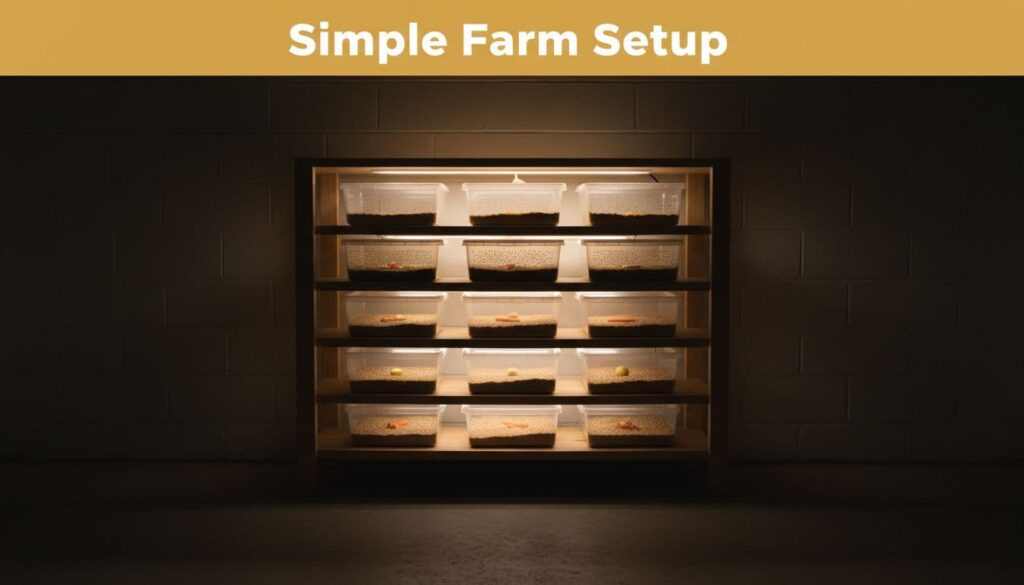
- Low-Barrier Entry: Small-scale production requires minimal space and equipment, such as stackable plastic trays and basic grain-based substrates, making it accessible for backyard farmers.
- Consistency is Critical: Success relies on a strict maintenance routine, including temperature control, proper ventilation, and separating life stages to prevent colony decline.
- Market Potential: Income is generated by selling to poultry and fish farmers who value high-quality, sustainable protein, or by producing worm frass (castings) as high-grade organic fertilizer.
Why mealworm farming is getting attention in Kenya
Feed is one of the biggest costs in poultry farming. When commercial chicken feed prices rise, farmers start looking for protein they can produce closer to home. Mealworms stand out because they need little space, they breed fast under the right conditions, and they fit small farms as well as backyard setups. For those raising Kienyeji chicken, mealworms serve as an excellent way to reduce reliance on expensive store-bought chicken feed.
They also suit Kenya’s growing interest in practical, low-waste agriculture. You do not need acres of land or heavy machinery. A spare room, shelves, trays, and steady management can be enough to start. That gives mealworms a double role, as they are both feed and a farm product. While the black soldier fly larva is another popular protein alternative, mealworms remain a favorite for their ease of management in small-scale setups.
Regional work on insect feeds in Kenya and Uganda has helped push that idea forward. The appeal is simple: insect protein can fit small-scale farming systems and support poultry and fish production at the same time.
How mealworms help reduce feed costs
Mealworms can lower feed costs because they reduce how much bought protein you depend on. They are not a full ration for chickens, fish, or pet birds. However, they work well as a supplement in a mixed feeding plan.
If you raise chickens, even partial replacement matters. A home-grown protein source used a few times each week can trim spending on costly concentrates. Beyond saving money, many farmers notice that chickens eating mealworms often produce yellow-yolked eggs. Furthermore, the high-quality protein helps molting chickens recover their feathers and energy levels faster. The same logic applies to birds in aviaries and some fish systems where protein costs are hard to ignore.
Mealworms work best as a supplement, not the only feed on the farm.
Those savings often build slowly, then become clear over months. A farmer may not notice it in a single week. By the end of a season, the reduction in bought feed can look a lot better.
Why farmers and bird lovers are interested in insect protein
Chickens already chase insects when they can. Pet birds also respond well to mealworms as a high-protein snack, and fish farmers value dense protein sources. So mealworms fit what many animals already eat by instinct.
That natural demand matters because it supports the business side too. A mealworm farming business in Kenya does not rely on one kind of buyer. Poultry farmers, bird owners, fish farmers, and breeders can all become customers if your product is clean and consistent.
What it takes to start a profitable mealworm farm
Mealworm farming, which focuses on the Tenebrio molitor species, does not require a large plot of land, but it does demand consistent discipline. A beginner needs specialized housing, breeding stock, feed material, a dry room, and steady warmth. While the required space remains small, the daily maintenance must stay regular.

Currently, insect farming in Kenya is still an emerging sector, meaning specific regulatory frameworks are evolving rather than rigidly fixed. Farmers are encouraged to follow general agricultural and hygiene standards, ensuring that their production environment is clean, pest-free, and safe for animal feed production.
While large-scale commercial operations may eventually require stricter registration or permits, small-scale growers generally focus on meeting the quality requirements of their local poultry or fish farming customers. As with any animal feed business, it is wise to keep your local agricultural office informed as you scale up to ensure compliance with emerging guidelines.
Low-cost setup basics for beginners
Most beginners start with stackable plastic containers placed on simple shelves. Smooth-sided walls help contain the worms and make sorting easier. Grain-based substrate or other edible bedding works as both food and a living environment for the colony. To lower costs, some farmers incorporate clean organic waste or processed kitchen waste into the substrate.
You also need a consistent moisture source, such as small slices of vegetables, but you must remove leftovers before they decay. Maintaining the right temperature and humidity levels is vital for success, as is ensuring the room stays protected from rodents, ants, and direct rain. Proper ventilation also plays a critical role in keeping the colony healthy and preventing mold.
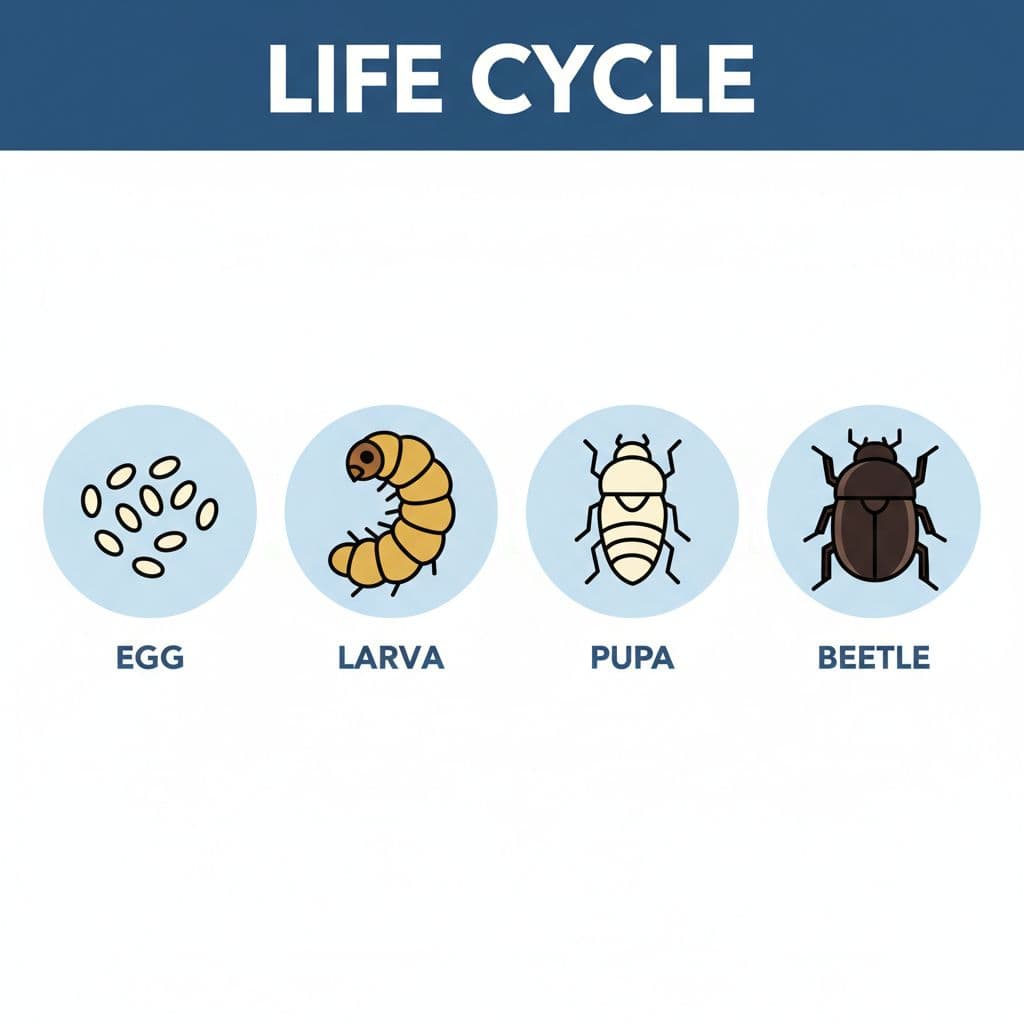
The farm should be organized by life stage. The adult darkling beetle, the larval stage, and the pupal stage all have different requirements and do better when handled with care. By monitoring the darkling beetle and ensuring each stage is separated on time, you can optimize your breeding efficiency and minimize losses.
Common mistakes that can hurt profits
Poor hygiene hurts fast. Wet substrate, mold growth, and dirty containers can weaken a colony and invite mites or other pests. Excess moisture is a common problem because beginners often provide more fresh vegetables than the larvae can consume.
Fluctuations in temperature and humidity also cut output. When the room gets too cold, growth slows down significantly. When it gets too hot, stress rises and losses follow. Bad management of the life cycle causes trouble as well. If you fail to separate the pupal stage from the growing larvae, egg production drops and overall survival rates fall.
A simple setup can still lose money when your routine breaks down. Mealworms reward farmers who maintain a strict schedule, focus on proper ventilation, and pay close attention to detail.
Where the money comes from in a mealworm farming business in Kenya
A mealworm business can earn cash in more than one way. Some farmers sell their harvest, while others use them at home to reduce their feed bills. The strongest operations often do both, as this provides greater flexibility and a more stable income.
A simple way to view the business is to separate direct income from cost savings.
| Profit route | How value is created | Best fit |
|---|---|---|
| Live mealworms | Regular sales to poultry keepers, bird owners, and breeders | Small local markets |
| Dried mealworms | Better shelf life and easier transport | Bulk or distant buyers |
| Farm use | Lower spending on bought feed | Poultry and fish farms |
| Starter colonies | Higher margins on smaller volumes | New growers |
The best option depends on your setup. Selling your harvest generates immediate cash flow, while feeding your own birds provides significant savings. Both contribute to the bottom line when the math is honest.
Selling mealworms to poultry and fish farmers
Repeat buyers matter more than one-time sales. Feed is a recurring need, so a farmer who trusts your product will likely return every week or month. That is where quality and reliability become essential.
Your product must be clean, well-sized, and supplied on schedule. When you are selling this nutrient-rich feed, consistency is the key to maintaining a professional reputation. If a buyer needs five kilos every week and you can only deliver twice a month, the relationship will likely fail. The wider insect feed trade in Kenya has drawn significant attention, as highlighted in DW’s report on insect farming in Kenya. That broader interest helps, but only for farms that can supply the market consistently.
You can find buyers by connecting with local poultry cooperatives, village-level bird keepers, and fish farming clusters in your area. Many growers also find consistent demand by networking with local agrovet shops or using community social media groups where farmers trade resources and inputs.
Using your own worms to improve farm returns
Sometimes the best return never passes through a marketplace. By breeding mealworms for your own use, you create a self-renewing food source for your livestock. If you feed these worms to your own chickens or fish, they can significantly reduce your dependence on costly commercial feed. That saving is real, even though it does not appear as a direct cash sale.
This path also removes many selling costs. You do not need to worry about packaging, transport, or customer follow-up. For many smallholders, breeding mealworms specifically for home use is the fastest route to improved farm margins. Once you have mastered your production cycles and your output grows beyond your own farm needs, any surplus can then be sold to generate additional income.
The real costs and risks that affect profit
This is where many new farmers misjudge the business. Starting small is affordable, but scaling up production requires more trays, consistent feed, additional labor, and dedicated storage space. You also need to allow time before sales become steady because breeding colonies must reach a mature population level first.
Startup and running costs to plan for
The primary expenses are straightforward: trays, shelving units, initial breeding stock, substrates, cleaning supplies, and a climate-controlled room. Some farms also allocate budget for heating during cool periods or improved storage as output increases. If you plan to sell dried worms, you must also factor in drying equipment and packaging materials.
Research on the economics of insect-based feed in Kenya highlights why this sector is gaining momentum, particularly as organic farming continues to expand across the country. Beyond the mealworms themselves, you can generate extra revenue by selling worm castings, known as frass. This byproduct is a highly effective organic fertilizer that adds another layer of income to your business model. While mealworms have different environmental requirements than the red wigglers commonly used in standard vermicomposting, they remain a versatile component of sustainable agricultural systems. Although good economics on paper are promising, remember that a lean startup still requires a disciplined cost plan to manage daily operations.
Production risks that can lower earnings
Mealworms are hardy, but they are not risk-free. Slow growth rates, weak egg production, heat stress, excessive moisture, and pest infestations can all reduce your total harvest. Poor management usually manifests as smaller worms, lower larval counts, or sudden colony losses.
Market risk also plays a significant role in your bottom line. If your buyers are located far from your production site, transport costs can significantly shrink your profit margins. Additionally, if your output is too low, your sales will likely remain irregular. Ultimately, a tiny and poorly managed system may save money upfront, but it often fails to produce the consistent volume needed to secure a stable monthly profit.
How to judge if mealworm farming will pay off for you
Before you invest, you should evaluate your situation like a serious business owner. Profit is more likely when you have low input costs, steady farm conditions, and a clear use for every batch. A farmer who can both use and sell their produce has more room to succeed, making mealworm farming in Kenya a compelling venture for those who plan carefully.
Signs your farm can become profitable
A high-potential setup usually displays a few clear signs:
- You already keep chickens, fish, or birds and can use part of the harvest as a high-quality, sustainable protein source.
- You have a warm, dry space that stays secure and easy to monitor.
- You can buy bran or similar feed material at a fair price.
- You have access to steady buyers, rather than relying solely on curious first-time customers.
- You can keep up with the essential tasks of sorting, cleaning, and breeding on a consistent schedule.
When several of those points line up, achieving profit becomes much more likely.
When mealworm farming may stay too small to make much money
Some setups remain too small for strong financial returns. A few trays in a room with poor temperature control may produce enough treats for backyard birds, but not enough volume for serious sales. The same problem appears when feed inputs cost too much or when routine care slips behind schedule.
Small farms are not a bad idea, as they are often the right place to start. Still, if the system stays disorganized or under-scaled, it may only produce minor savings instead of significant revenue. Profit improves with scale, clean management, and a reliable base of buyers who value the quality of your product.
Frequently Asked Questions
How much space do I need to start a mealworm farm?
One of the biggest advantages of mealworm farming is that it requires very little space. A beginner can start with just a few stackable plastic containers kept on shelves in a quiet, dry, and warm room, making it ideal for home-based agricultural projects.
Can I feed mealworms using only organic waste?
While mealworms can consume some processed kitchen scraps, they require a consistent, grain-based substrate to grow healthy and breed efficiently. It is important to avoid over-moistening the environment, as damp waste can quickly lead to mold and the destruction of your entire colony.
How long does it take to see a profit?
Profitability depends on whether you are using the insects to offset your own feed costs or selling them to others. While you may see immediate savings on your poultry or bird feed bills, it typically takes several months of disciplined breeding and colony growth before you have a consistent surplus to sell for regular income.
What are the biggest risks to my mealworm colony?
Excess moisture and poor hygiene are the primary risks, as they lead to mold and attract pests like mites. Furthermore, failure to maintain stable temperatures can significantly slow down the life cycle and reduce your overall production, potentially causing the colony to fail.
Conclusion
Mealworm farming can be profitable in Kenya, especially for those involved in poultry farming who want to cut down on expensive chicken feed or generate extra income by selling protein-rich insects. This business model works best when setup costs remain low, care is consistent, and a reliable market is identified early on.
A simple tray system is often enough to support a small flock. With proper management, a modest setup can grow into a steady, saleable product. We recommend that you start small, track every production cost, test local demand, and only expand your operations when the financial returns consistently make sense for your farm.