

Commercial mealworm production in Kenya is gaining significant momentum as it provides a reliable solution for farmers seeking affordable, high-protein feed inputs. By offering a source of sustainable protein, these insects help chicken farmers lower their operational costs while ensuring their livestock remain healthy and active. Interest in this sector is growing rapidly, spreading from major urban hubs like Nairobi to diverse rural farming communities across the country.
This kind of farming is an excellent small business opportunity because it requires minimal space and thrives in warm Kenyan conditions when managed correctly. Mealworms can be sold live or dried, allowing you to target different buyers depending on your specific setup and local market demand. That flexibility is one reason mealworm production in Kenya is drawing interest from both new and experienced growers looking for viable agricultural ventures.
If you want a practical way to turn simple materials into a marketable product, mealworms are worth a close look. The next step is to understand how the production process works, what you need to start, and where the best buyers are located.
Key Takeaways
- Cost-Effective Protein: Mealworms offer a nutrient-dense, affordable supplement to standard commercial feeds, helping Kenyan farmers boost poultry health and production while reducing expenses.
- Low Barrier to Entry: The business requires minimal capital (5,000–10,000 KES for a pilot setup) and can be started in small, indoor spaces, making it ideal for urban and rural small-scale farmers.
- Dual Revenue Potential: Beyond selling mealworms as live or dried animal feed, farmers can sell the leftover frass as a high-quality, organic fertilizer for crops and gardens.
- Focus on Management: Success relies on maintaining dry conditions, proper ventilation, and a disciplined routine of sorting and cleaning to prevent mold, mites, and colony loss.
- Market-Driven Growth: Farmers should secure reliable buyers before scaling up production, starting with a manageable test colony to ensure consistent, high-quality output.
What makes mealworms a smart feed choice for Kenyan farmers
Mealworms, scientifically known as Tenebrio molitor, are a practical feed option because they provide high nutritional benefits in a small package. For farmers watching feed budgets, that matters. You can use them as a supplement to maize, soy, or commercial chicken feed, not as a full replacement, and still add real value to the diet.
They also fit well into commercial mealworm production in Kenya because they can be sold in flexible forms, fresh or dried, and used by different buyers. Poultry farmers, bird keepers, and small livestock owners all look for feeds that support health without pushing costs too high. Mealworms fit that need perfectly.
### How mealworms compare with common feeds
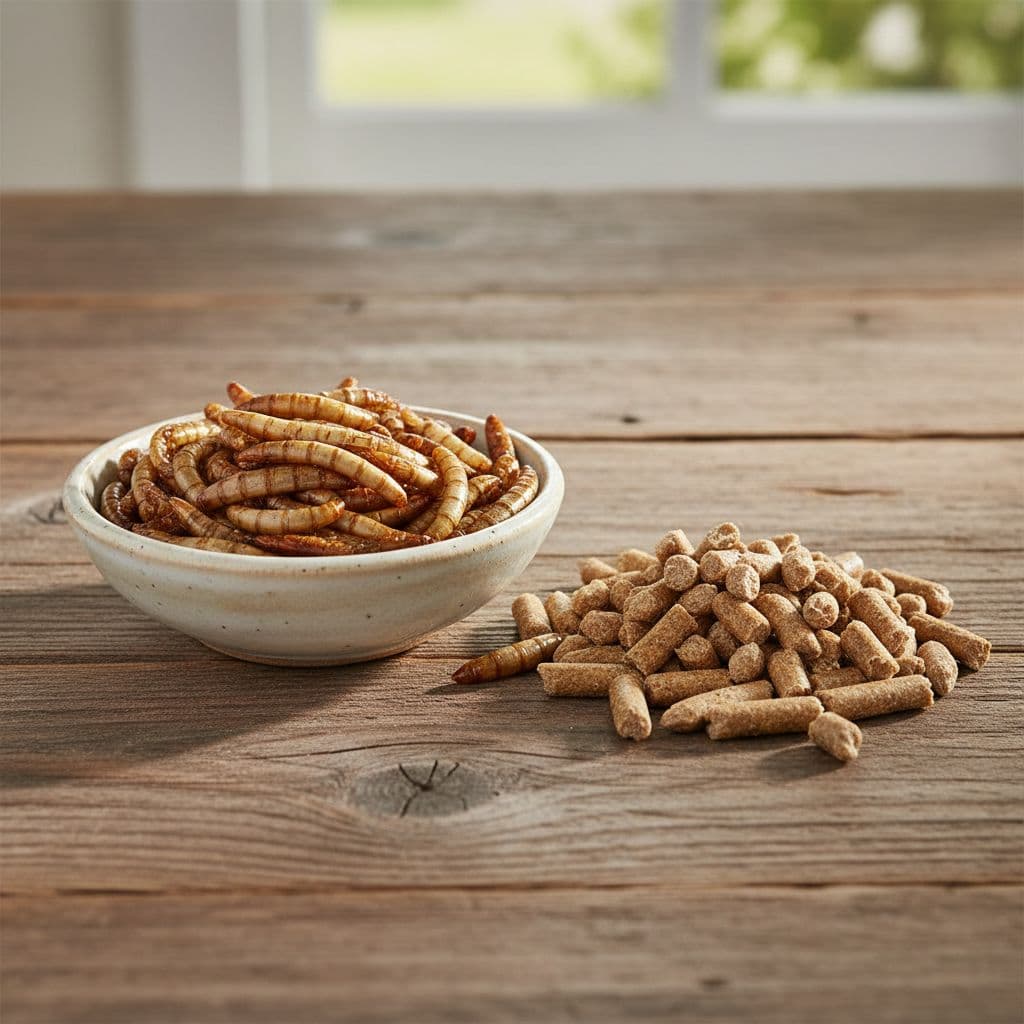
Compared with maize, mealworms bring far more protein and healthy fat in each bite. Maize gives energy, but it is not strong on protein. Soy is rich in protein too, yet mealworms can be easier to produce on a small scale and can help reduce pressure on bought-in feed.
| Feature | Live Mealworms | Dried Mealworms |
|---|---|---|
| Moisture Content | High | Low |
| Shelf Life | Short (Requires care) | Long (Easily stored) |
| Usage | Natural foraging activity | Easy to mix into feed |
That is why many farmers use mealworms as a supplement, not the whole ration. A small top-up can improve feed quality without forcing you to replace every bag of commercial feed. In plain terms, you stretch the feed budget while still giving birds a richer diet.
A review in Tropical Animal Health and Production notes that yellow mealworms have nutritional value comparable to common protein sources in poultry diets. That makes them a serious feed ingredient, not just a novelty.
The smartest use of mealworms is targeted feeding, where the nutrition boost matters most.
Why birds and poultry respond well to insect protein
Birds and poultry are built to eat insects. Chickens scratch for them, wild birds hunt them, and many pet birds enjoy them as a natural treat. Mealworms match that instinct, so birds usually take them quickly.
For chickens, the protein helps with growth and feather repair. Perhaps most importantly for Kenyan farmers, this protein boost supports consistent egg production and often improves the Kienyeji taste of local poultry. The fat adds usable energy, which is helpful for active birds and laying hens. Fish and reptiles also benefit because insect protein fits well with their natural feeding habits.
For bird owners, mealworms are easy to understand and easy to use. They support overall health, keep birds interested in their meals, and fit well into daily feeding routines without much waste.
Initial Capital and Setting Up Mealworm Production in Kenya
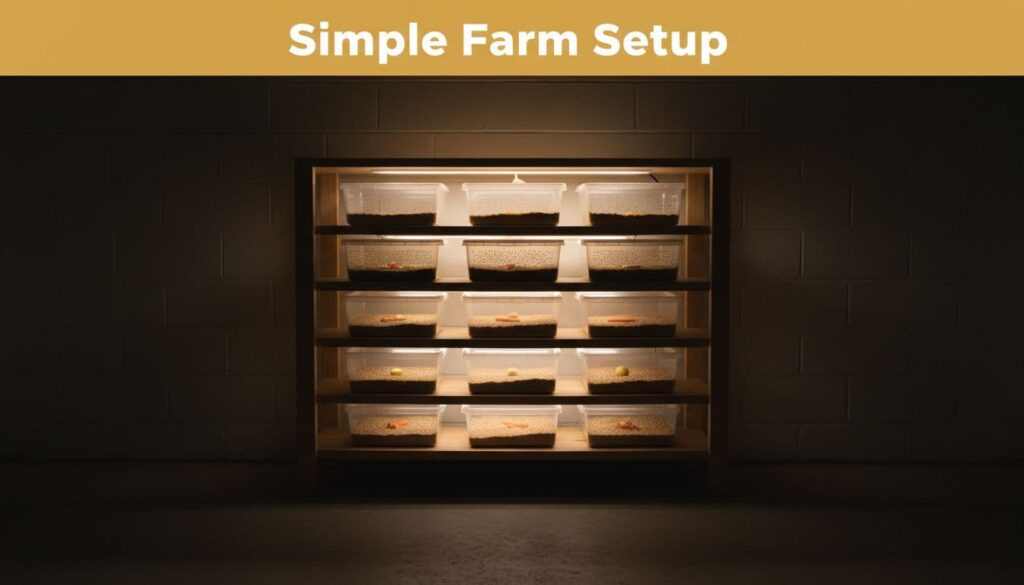
A small mealworm farm does not need a large building or costly equipment. What matters most is a dry indoor space, simple storage containers, and a layout that stays easy to clean and check every day. If you get the setup right early, the rest of the work becomes much smoother.
Starting a mealworm farm requires very little initial capital. For those looking to launch a serious pilot, you can expect to spend between 5,000 and 10,000 KES to cover your initial startup costs, including plastic trays, starter colonies, and quality bedding. You can begin a functional test system for a few hundred shillings, focusing on just a few trays before investing in larger infrastructure.
By prioritizing a small, manageable setup, you keep your entry costs low and minimize financial risk while you learn the production cycle. Growth should only happen once you have confirmed your local market demand and have a steady rhythm for harvesting. In Kenya, small-scale insect farming for feed is a growing sector that currently operates under general agricultural guidelines. While there are no complex or restrictive national licenses for basic mealworm rearing, it is wise to register your small business with local county offices to ensure compliance with trade regulations. Maintaining high standards of hygiene will help you meet quality expectations if you eventually supply to commercial feed mills or larger animal producers.
The room, trays, and ventilation you need
Choose a dry, shaded, and well-ventilated room with stable indoor conditions. Direct sun heats trays too fast, while damp corners invite mold and mites. Proper ventilation is critical to keeping the colony healthy and preventing ammonia buildup.
Use shallow trays instead of deep bins. Shallow trays give mealworms more surface area, make feeding easier, and help you spot problems early. Smooth sides reduce escape, and stackable trays save space when you begin to grow the colony. Mealworms do poorly in sealed, stuffy boxes, so aim for trays with mesh lids to ensure consistent air movement. In small-scale setups, good airflow and dryness protect the colony better than expensive equipment ever will.
Choosing bedding and feed materials that are easy to find
For your base, start with materials that are easy to source locally, such as wheat bran, maize meal, or oats. This dry substrate serves as both a home and a primary food source. When the worms need moisture, use small amounts of carrot, potato, or fruit scraps. Place them carefully so they do not soak into the bedding. A damp tray can turn sour fast, and that invites mold before you notice it.
Interestingly, the circular economy potential of this industry is vast. Mealworms are known for their ability to consume certain types of polystyrene and other forms of plastic waste. By helping to biodegrade these difficult materials, insect farming could eventually play a role in environmental management, though farmers should be cautious and only use organic, clean substrates if the final harvest is intended for animal feed.
Starting stock, beetles, and the breeding cycle
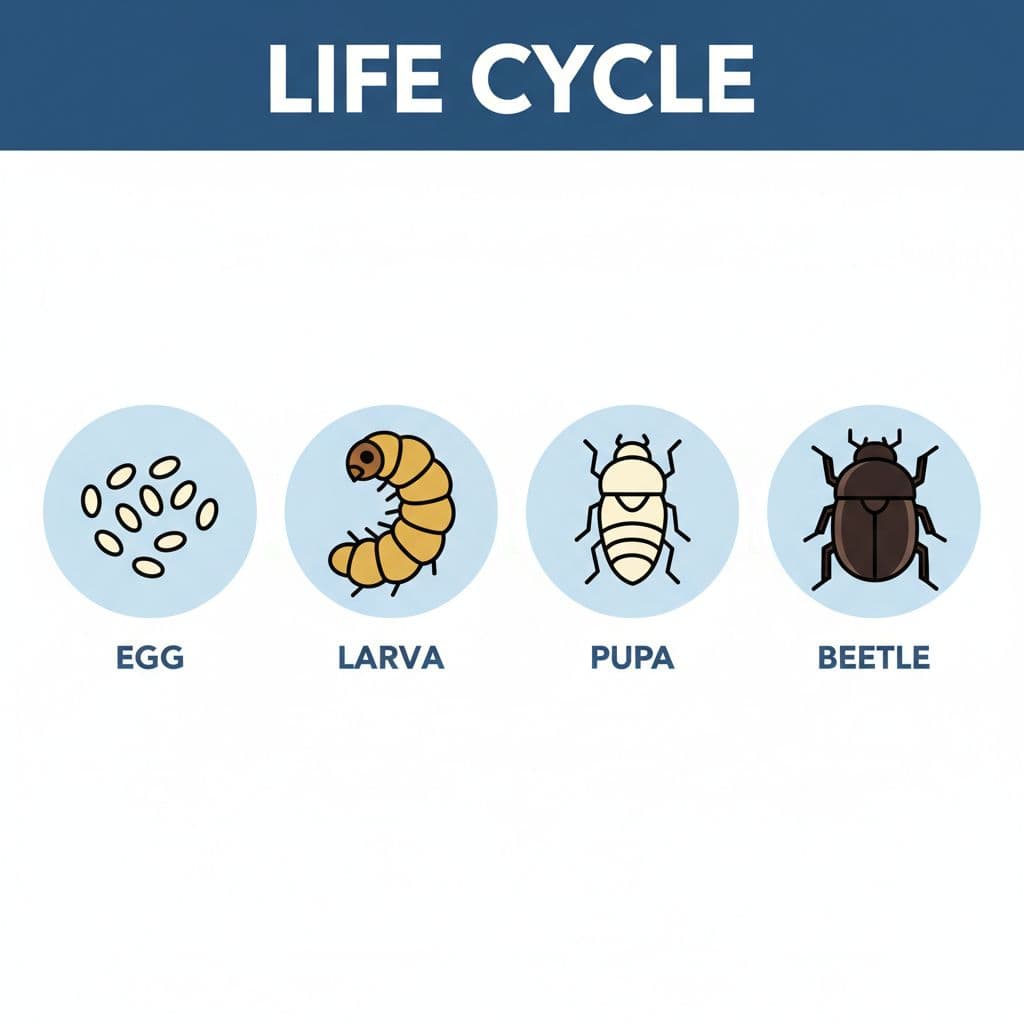
A working mealworm farm needs both mealworms and adult beetles. The worms are the growing stage, while the beetles keep the cycle going. When breeding mealworms, you will observe the insects moving through their life stages from pupae to beetles.
The beetles lay eggs in the bedding, the eggs hatch into tiny worms, and the cycle starts again. Keep each stage in the right tray, and production becomes much easier to manage. That simple rhythm is the backbone of commercial mealworm production Kenya relies on, especially when you begin small and expand only after the colony is steady.
How the production cycle works from egg to harvest
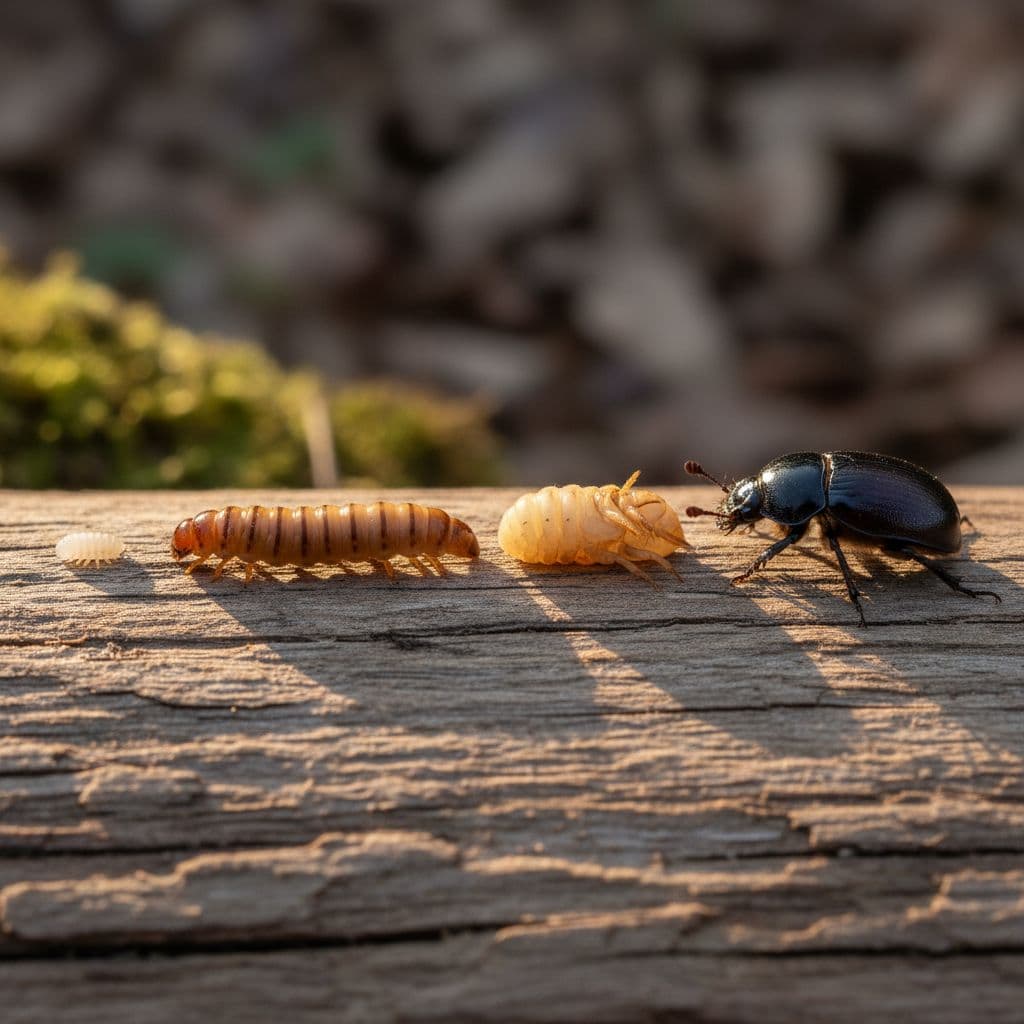
Commercial mealworm production in Kenya runs on timing, cleanliness, and steady care. Once the colony is active, the trays cycle through four distinct phases: the egg stage, larvae, pupae, and the adult darkling beetle. By managing each phase effectively, you ensure that production remains stable and predictable. Research conducted by icipe provides excellent technical insights into optimizing these stages under local Kenyan conditions.
### Photo by AI GeneratedFeeding, moisture control, and daily care
Feed mealworms with dry bran, maize meal, or other clean feed substrates. To keep the colony hydrated, provide a small moisture source such as carrot or potato slices. Use only what the insects can consume within a day, as excess wet material quickly leads to mold and sour bedding. Always remove leftover fresh feed before it begins to break down.
Daily checks are essential. Look for damp spots, clumps, foul smells, mites, or dead insects, and address any issues immediately. A dark, quiet room also helps, since mealworms thrive when their environment remains calm and undisturbed. Consistent farm care is mostly about discipline; keeping the bedding dry and the air moving protects the colony more effectively than an expensive setup.
The mealworm life cycle at a glance
| Stage | Approximate Duration |
|---|---|
| Egg | 7 to 14 days |
| Larva | 8 to 12 weeks |
| Pupa | 1 to 3 weeks |
| Beetle | 2 to 4 months |
Sorting worms, pupae, beetles, and waste
Separation is critical for colony health. Larvae, pupae, and beetles should not remain in the same container, as each requires different handling. If you leave them mixed, beetles may disturb the eggs or smaller larvae, and waste buildup can weaken the entire tray.
A sieve or screen makes sorting much easier. Gently shake the bedding through the mesh to collect the larvae, then move any pupae and beetles into their designated containers. Remove dead insects and frass during each sort to ensure only healthy stock remains in the production trays.
Clean sorting is one of the simplest ways to keep production steady and reduce losses.
When mealworms are ready to sell
Under good management, the larval stage usually reaches harvest size in about 12 to 18 weeks, though warmer temperatures and consistent feeding can shorten this window. In practical terms, you should harvest the largest larvae before they transition into pupae.
Live mealworms are ideal for buyers who want fresh feed on demand, such as local poultry keepers and bird owners. Dried mealworms offer better shelf life, travel more easily, and are simpler to store, making them perfect for wider distribution. If you intend to transport your product across longer distances, drying gives you better control and reduces spoilage. A simple harvest rhythm keeps your business moving. Sort, feed, clean, and pull out sale-ready larvae on a strict schedule, while keeping the breeding stock undisturbed to ensure the next batch continues to grow.
Where Kenyan farmers can sell mealworms and frass
The market for mealworms in Kenya is wider than many new farmers expect. Once you understand who buys them and why, the business stops looking like a side project and starts looking like a steady supply model. The same is true for frass, which provides a valuable second product from the same production cycle.
Main buyers for live and dried mealworms
Poultry farming is the most obvious market for your harvest. Farmers use mealworms as a protein-rich supplement for layers, broilers, and chicks, especially when they want better growth or stronger birds without changing the whole ration. Bird owners also buy them for caged birds and backyard flocks, since live or dried worms are easy to portion and birds accept them quickly.
Fish farmers are another strong market, especially those raising tilapia or catfish. Dried mealworms are easy to store and mix into feed programs, while live worms can be sold in small batches to farms that want fresh protein. Furthermore, as the demand for edible insects continues to rise, more pet stores and hobbyists are seeking insect protein that is clean and reliable. A farm that can supply the same high-quality grade every week has a much better chance of securing repeat sales.
How frass can add extra income
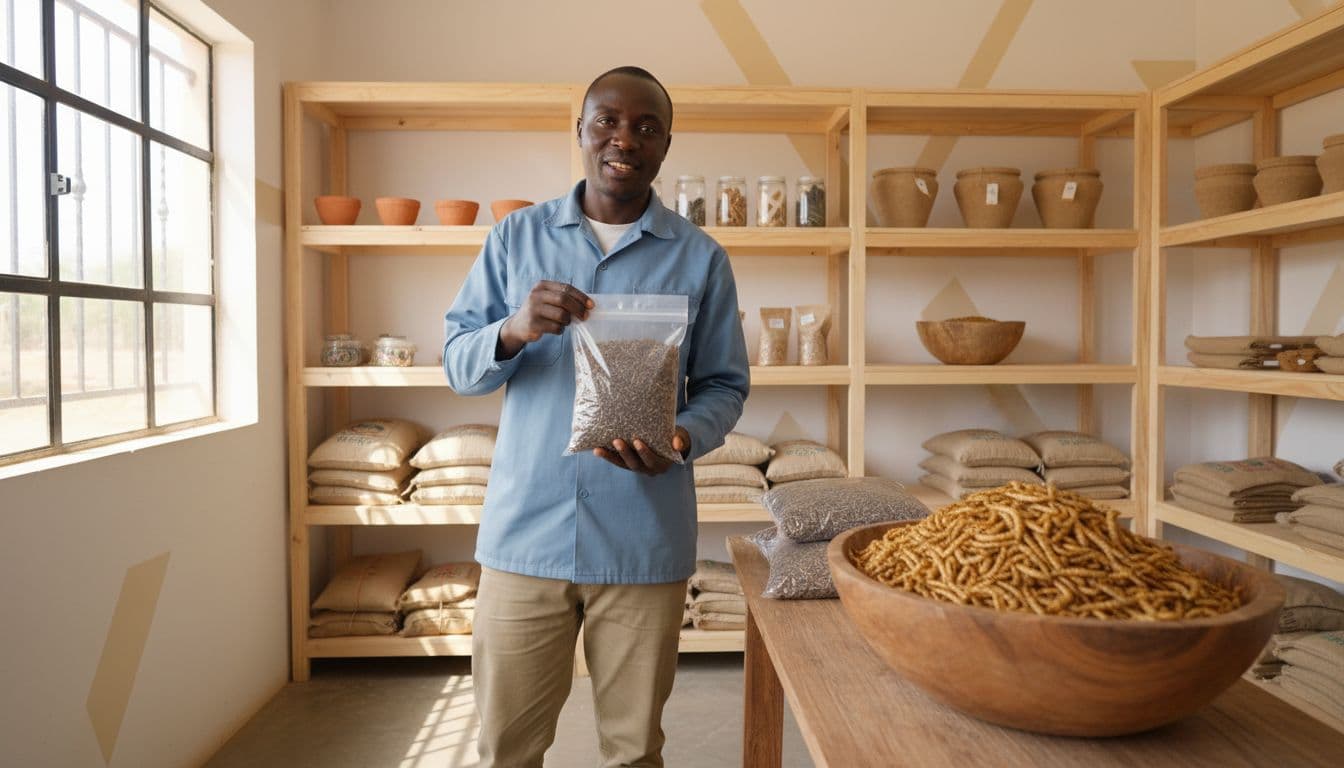
Frass is the dry waste left after mealworms feed and grow. In simple terms, it is a potent natural fertilizer. Farmers and gardeners use it because it adds organic material to the soil and supports crop growth in gardens, kitchen plots, and larger operations.
Its value is strongest with vegetables, herbs, and small-scale soil improvement. Because many buyers want cleaner inputs, frass sells well to organic growers who prefer a natural option over synthetic fertilizer. For a mealworm farmer, this means one tray produces feed, and the leftover material generates a second stream of income.
Why reliable supply builds trust
Buyers return when they know they can count on you. That means consistent size, clean packaging, and dependable delivery matter as much as price. A poultry farmer who misses a feeding cycle will not wait long, and a feed shop cannot risk empty shelves.
Simple packaging helps as well. Use sealed, labeled bags for dried mealworms and clean sacks or containers for frass. If you deliver on the same day each week, or keep stock ready for pickup, you become easier to buy from than a cheaper seller who is always late.
For commercial mealworm production in Kenya, supply discipline is the difference between a one-time sale and a loyal, regular customer.
Challenges in Commercial Mealworm Production in Kenya
Small farms often run into the same problems early on, and most of them start with poor management. Moisture, heat, pests, and weak sales planning can turn a healthy colony into a slow, smelly loss. If you catch these issues early, commercial mealworm production in Kenya becomes much easier to manage and scale for profit.
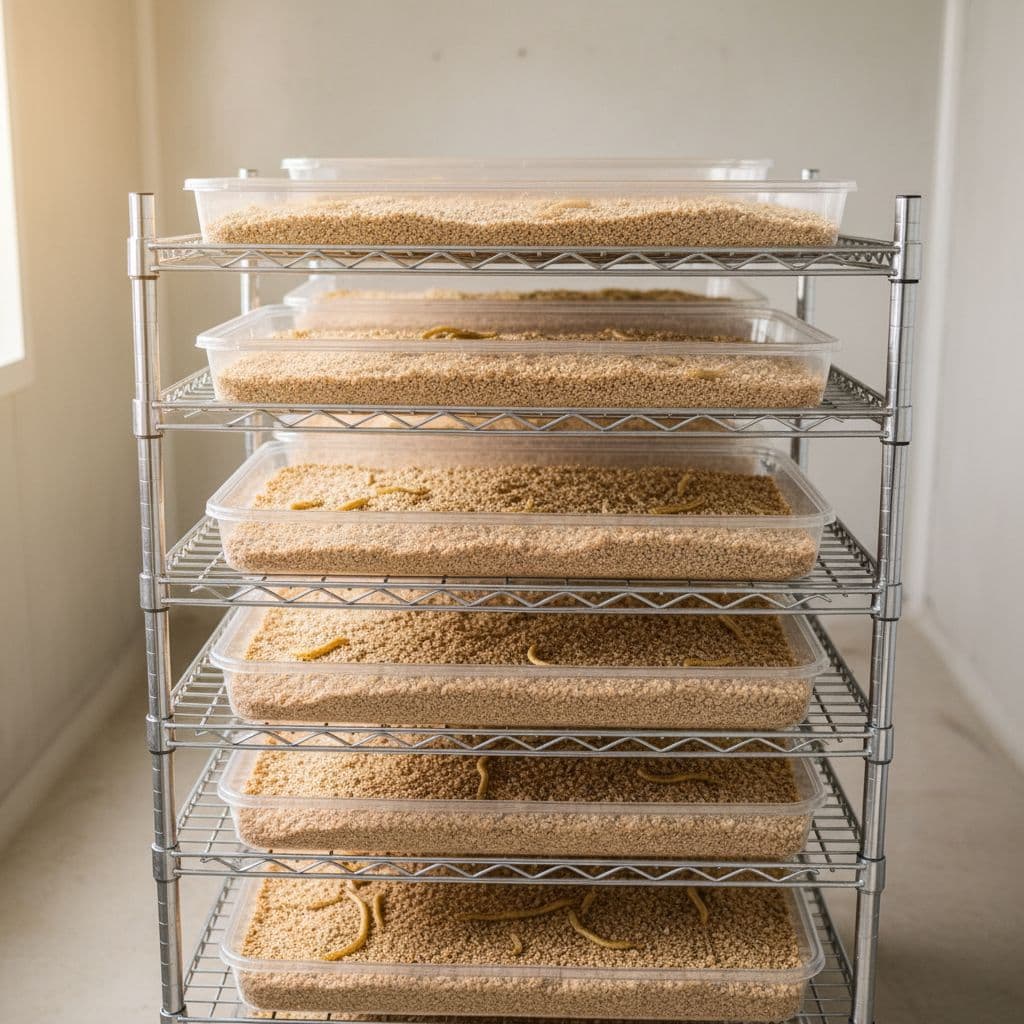
### Stopping mold, dampness, and bad smells
Excess moisture is one of the fastest ways to damage a colony. While you can use kitchen waste to provide hydration for your worms, you must be careful; if scraps are left too long, they create mold, sour bedding, and bad smells that spread through the room. Mealworms also grow slowly when the substrate turns sticky or stale due to trapped humidity.
Keep moisture sources small and fresh, and always remove leftovers before they begin to rot. Use shallow trays, ensure good airflow, and rely on dry bedding like wheat bran or maize meal. Clean your trays regularly, as accumulated frass and wet patches invite trouble.
Maintaining proper temperature control and pest management
Mealworms thrive in stable indoor environments rather than rooms that swing wildly from hot to cold. Consistent temperature control is vital because heat stress can weaken the colony, reduce feeding activity, and significantly slow down growth.
Pests cause just as much damage as environmental stress. Beyond common invaders like grain mites, ants, moths, and spiders, you should watch out for the lesser mealworm. This pest is a common nuisance that can quickly multiply in your bedding and compete with your colony for resources. Keep feed sealed, sweep your facility floors often, and avoid bringing in dirty or used containers from other farms.
Daily maintenance checklist
To keep your farm healthy, perform these simple tasks every day:
- Check for signs of mold or excess moisture in the trays.
- Remove any rotting scraps from your source of kitchen waste.
- Inspect the substrate for signs of mites or the lesser mealworm.
- Ensure the room temperature remains within the ideal range.
- Sweep the area around the racks to prevent attracting ants or rodents.
Planning for sales before you grow too fast
Many new farmers raise more mealworms than they can actually sell. That ties up feed, space, and time. Secure your buyers first, test local demand in small batches, and expand only when orders start to repeat.
A simple sales plan protects your cash flow:
- Confirm at least one consistent buyer before scaling up your production.
- Test both live and dried product demand in your local market.
- Grow in deliberate stages rather than expanding everything at once.
This measured approach keeps your business steady and lowers financial waste from unsold stock.
A realistic way to start small and scale up
The safest way to build a mealworm business is to treat the first stage like a test run. Start with a few trays, learn the cycle, and watch what happens before you spend more on space or stock. That approach keeps risk low and gives you room to correct mistakes early.
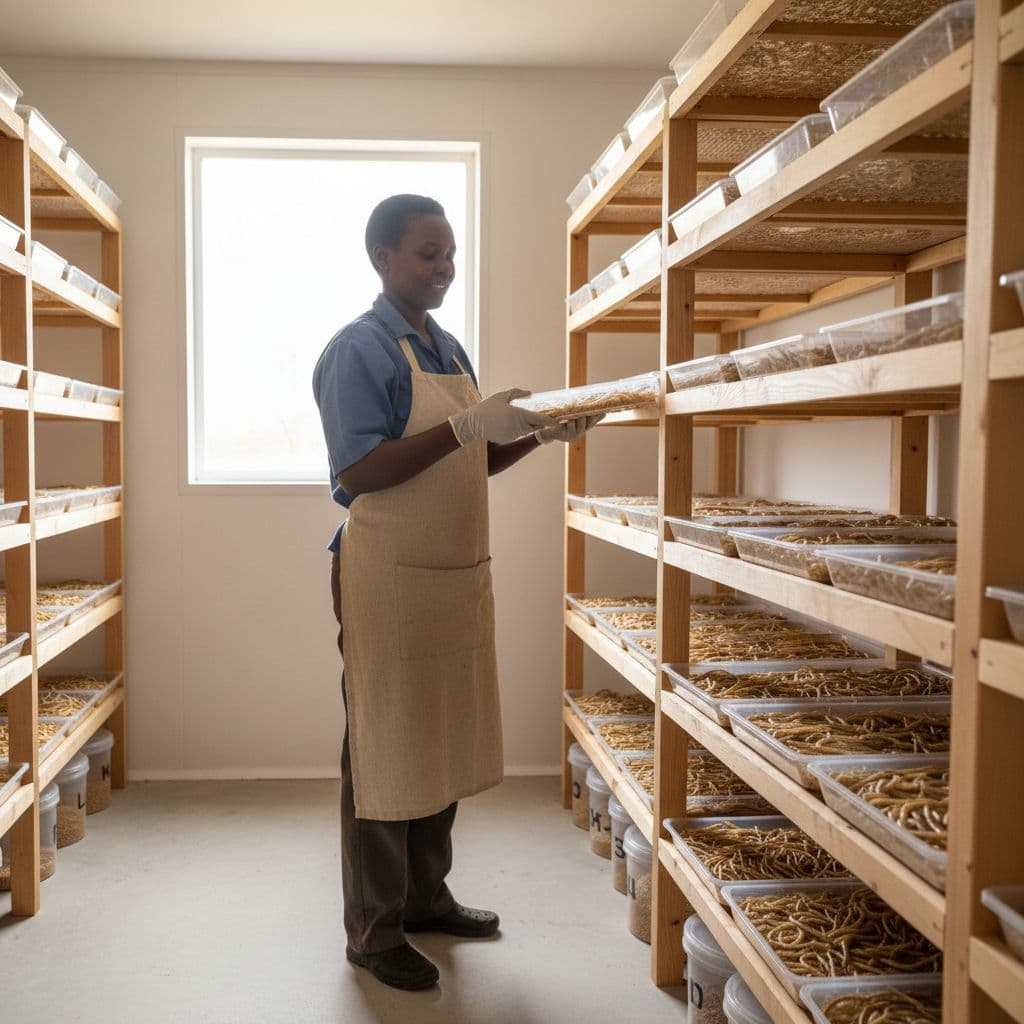
### Begin with a small working system
A starter setup can be as simple as three to five trays, one feeding area, and a clean indoor corner. That is enough to learn feeding, moisture control, sorting, and harvest timing without getting overwhelmed.
Keep records from the start. Note how much bran you use, how fast the worms grow, and how much you sell. Those numbers tell you whether your system is healthy or just busy.
If you can’t track the first batches, scaling up only multiplies the same mistakes.
Expand only after the process stays steady
Once you can produce consistent batches, add trays in steps. Many small farms grow better with modular units and simple record keeping, a point echoed in research from icipe and the World Bank on insect farming. Incorporating these professional guidelines is essential for the sustainable growth of insect farming in the region. That matters in commercial mealworm production Kenya can support, because steady output sells better than guesswork.
For chicken farmers, that means a reliable protein source that can lower feed pressure over time. For bird lovers, it means a fresh, natural feed option that birds actually enjoy. Start small, prove the method, then grow only when the trays, the buyers, and the routine are all working together.
Frequently Asked Questions
Can I use mealworms to replace my entire chicken feed ration?
No, mealworms are best used as a high-protein supplement rather than a complete replacement for commercial feed. They work effectively alongside grains like maize and soy to improve overall nutrition and bird performance.
What should I do if my mealworm trays start to smell?
Bad odors are usually a sign of excessive moisture or rotting vegetable scraps. Remove any decaying materials immediately, ensure your trays are well-ventilated, and keep your bedding dry to prevent mold growth.
How long does it take for mealworms to reach harvest size?
Under ideal conditions with consistent feeding and stable warmth, mealworms typically reach maturity in 12 to 18 weeks. Keep a close eye on the larvae size so you can harvest them before they transition into the pupae stage.
Do I need a specific license to start a mealworm farm in Kenya?
There are no restrictive national licenses for basic mealworm rearing, but it is recommended to register your small business with local county offices to ensure compliance. Maintaining high hygiene standards is essential if you intend to sell your products to commercial feed mills.
Conclusion
Commercial mealworm production in Kenya is a practical fit for farmers who want a small-space business with steady value. By providing a high-protein option that supports growth, egg production, and overall bird health, this practice offers significant nutritional benefits for poultry, birds, and fish.
It also makes business sense because local demand is strong, and harvesting frass as a natural fertilizer adds another income stream from the same setup. As a sustainable protein source, mealworms help farmers reduce their reliance on expensive imported feeds. With clean trays, careful sorting, and a stable supply routine, the daily work remains manageable and the final product stays highly sought after.
Start small, learn the process well, and build a steady market before you scale. That is the most reliable way to turn your farm into a successful business that lasts.