

Rising commercial feed prices have forced many poultry farmers in Kenya to seek affordable alternatives that maintain bird health and productivity. By utilizing natural poultry feed Kenya farmers can source from local markets, farms, and households, you can effectively cut production costs while ensuring your flock receives a balanced diet of energy, protein, minerals, and vitamins.
With ingredients like maize bran, omena, sunflower cake, soya, wheat bran, and mealworms, it is entirely possible to create quality chicken feed that supports growth without sacrificing performance. The best results occur when you carefully match the nutritional profile to your birds’ specific growth stage, whether you are raising chicks, growers, or layers. If you are looking for a practical way to manage your budget while keeping your birds healthy, the following sections provide a breakdown of the most effective ingredients for your poultry operation.
Related video: Poultry farmers hit by high cost of feed, imports
Key Takeaways
- Optimize Costs with Local Ingredients: Utilize affordable, accessible, and high-quality local inputs like maize, wheat bran, sunflower cake, and mealworms to reduce reliance on expensive commercial feeds.
- Stage-Specific Nutrition is Critical: Tailor the nutrient composition—specifically protein, energy, and calcium levels—to match the distinct growth requirements of chicks, growers, and layers to ensure optimal health and performance.
- Consistency and Safety Matter: Always perform safety checks for mold and spoilage, store ingredients in cool, dry, and pest-free environments, and ensure uniform blending to prevent nutritional imbalances.
- Flexibility through Knowledge: Mastering basic formulation principles like the Pearson Square method allows farmers to adjust rations based on market prices and ingredient availability without sacrificing bird productivity.
Why local feed options make sense for Kenyan poultry keepers
Sourcing local raw materials makes sense because it fits the way most farmers already work. You can buy, mix, and adjust ingredients close to home, which keeps costs lower and gives you more control over what goes into the ration. That matters when every shilling counts and your birds still need steady growth, egg output, and good health.
For many Kenyan poultry keepers, natural poultry feed Kenya farmers trust is not about chasing the cheapest bag. It is about building a ration that is affordable, available, and balanced enough to keep birds productive through changing market prices. Poultry farmers looking to manage expenses often find that building their own affordable rations helps maintain profitability.
### How homemade feed can lower costs without lowering results
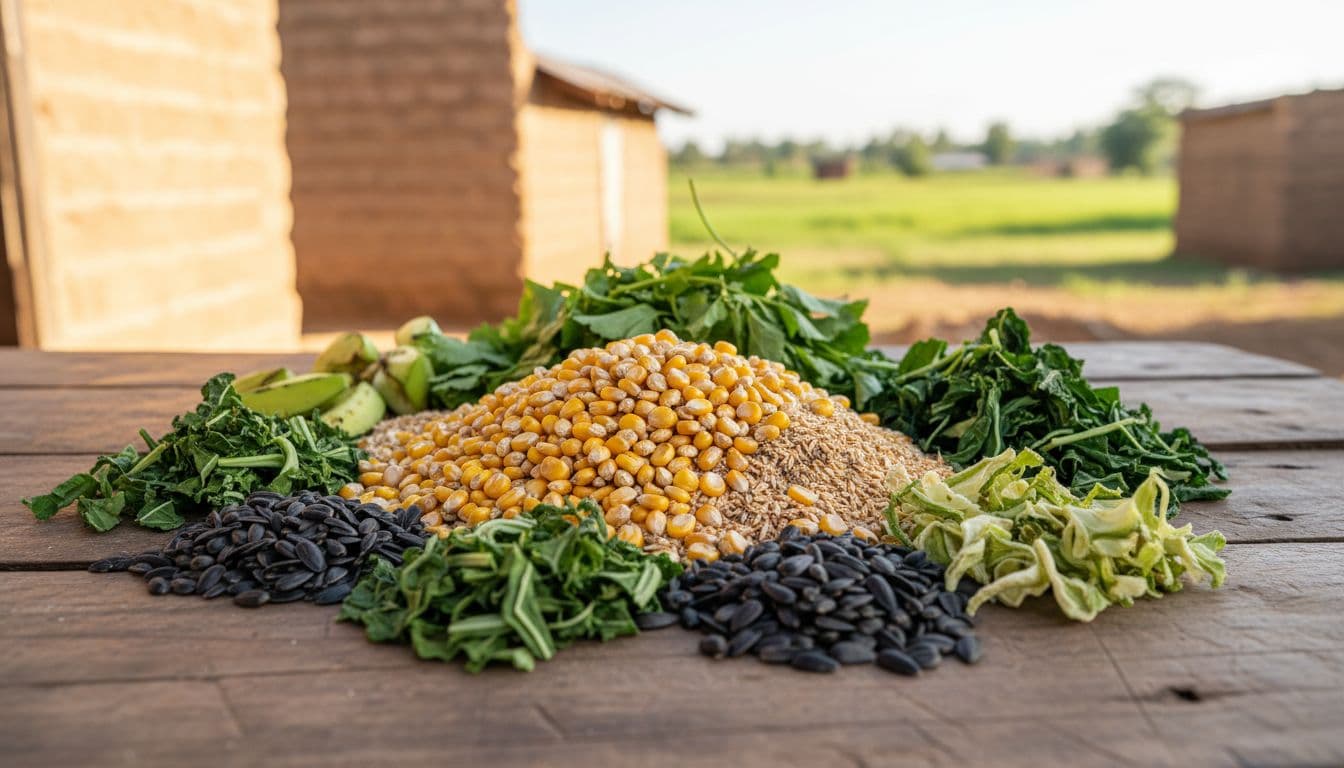
Homemade feed works when you use what is already nearby, then mix it with care. Maize gives energy, bran adds bulk and helps stretch the ration, leafy materials can add minerals, and oilseed cakes bring more protein. When farmers combine these ingredients well, they reduce reliance on expensive commercial bags without weakening the feed.
The key is balance. Cheap feed alone does not keep birds healthy, and a full feeder means little if the ration is short on protein or minerals. Chickens still need enough energy for movement and growth, enough protein for muscle and feathers, plus minerals like calcium for strong eggshells. Clean water matters just as much, because birds cannot use feed well when they are thirsty or stressed.
A smart homemade ration can include ingredients such as:
- Maize, maize germ, or maize bran for energy
- Wheat bran for structure and fiber
- Sunflower or soybean cake for protein
- Leaf meals for extra nutrients
- Clean water at all times
Used together, these ingredients can lower feeding costs while keeping birds on track. The goal is simple, balanced feed, not just cheap feed.
A lower feed bill only helps if the birds stay productive.
What farmers gain from using ingredients grown or sold locally
Local ingredients are easier to find, easier to replace, and easier to price. When maize bran, omena, sunflower cake, cassava by-products, or wheat bran are sold nearby, farmers spend less time waiting for feed deliveries and less money on transport. That makes day-to-day feeding more practical, especially for small flocks.
There is also less dependence on imported feed materials. When commercial prices rise, local ingredients give you room to adjust. You can shift a ration slightly when maize is expensive, then rebalance it when bran or oilseed cake becomes easier to buy. That flexibility helps farmers keep birds fed without stopping production.
Local buying supports more than one farm. It keeps money moving through the community, from crop growers and millers to traders and small feed mixers. In simple terms, your feed budget can support more local businesses instead of leaving the area.
This also helps when seasons change. If one ingredient becomes scarce, another may be available nearby. That gives farmers a practical way to protect their flock and their cash flow at the same time. For a deeper look at why homemade feed is attractive to small-scale farmers, see this comparison of commercial and homemade feed.
Where insect feed fits into Kenya’s poultry future
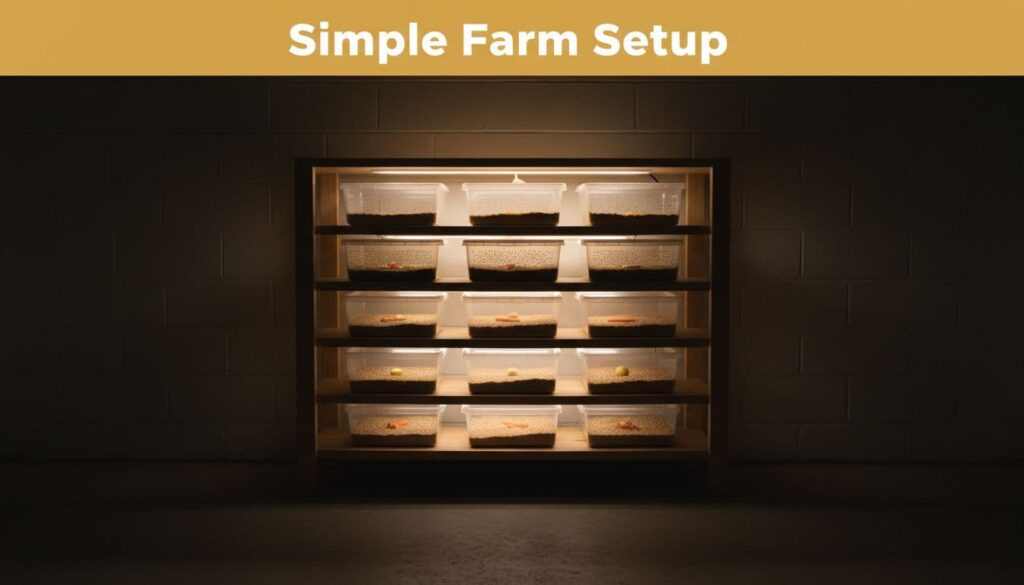
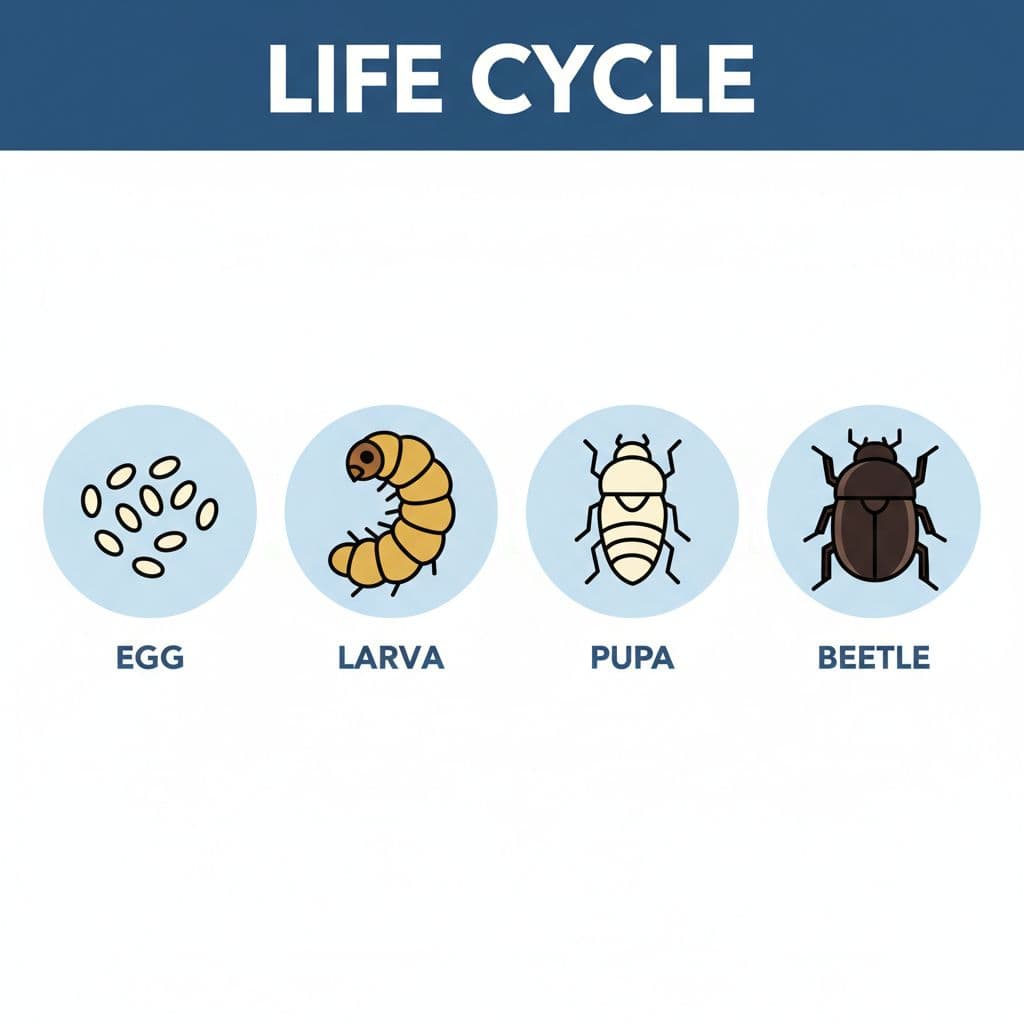
Insect-based feed adds another local option, especially for farmers who want a dependable protein source. Mealworms are a strong fit because they are rich in protein and can support poultry nutrition in a small space. They also fit well with circular farming, where food waste, insect production, and animal feed work together instead of competing.
That matters for the wider farming economy. Research from icipe shows that a 5% to 50% insect-based feed shift could free up maize and fish that would otherwise go into feed, support thousands of jobs, and improve incomes in rural areas. It could also ease pressure on land and grain supplies while opening space for small businesses around insect rearing, processing, and feed mixing.
For farmers, the value is practical. Insect meal can help reduce dependence on costly protein sources, especially when fishmeal prices rise. It also fits a future where poultry feed is built from more than one local stream, not just imported ingredients.
In other words, local feed options do more than cut costs. They help farmers stay flexible, keep birds well fed, and keep more of the poultry economy close to home.
The local ingredients many Kenyan farmers already use
Most farmers already have part of a good ration within reach. The trick is knowing which ingredients supply energy, which build body tissue, and which fill the gaps for eggs, bones, and general health. When you sort ingredients by purpose, it becomes much easier to mix natural poultry feed Kenya farmers can rely on without wasting money. By focusing on these specific components, you optimize your poultry feed formulation Kenya strategy to achieve maximum growth and egg production.
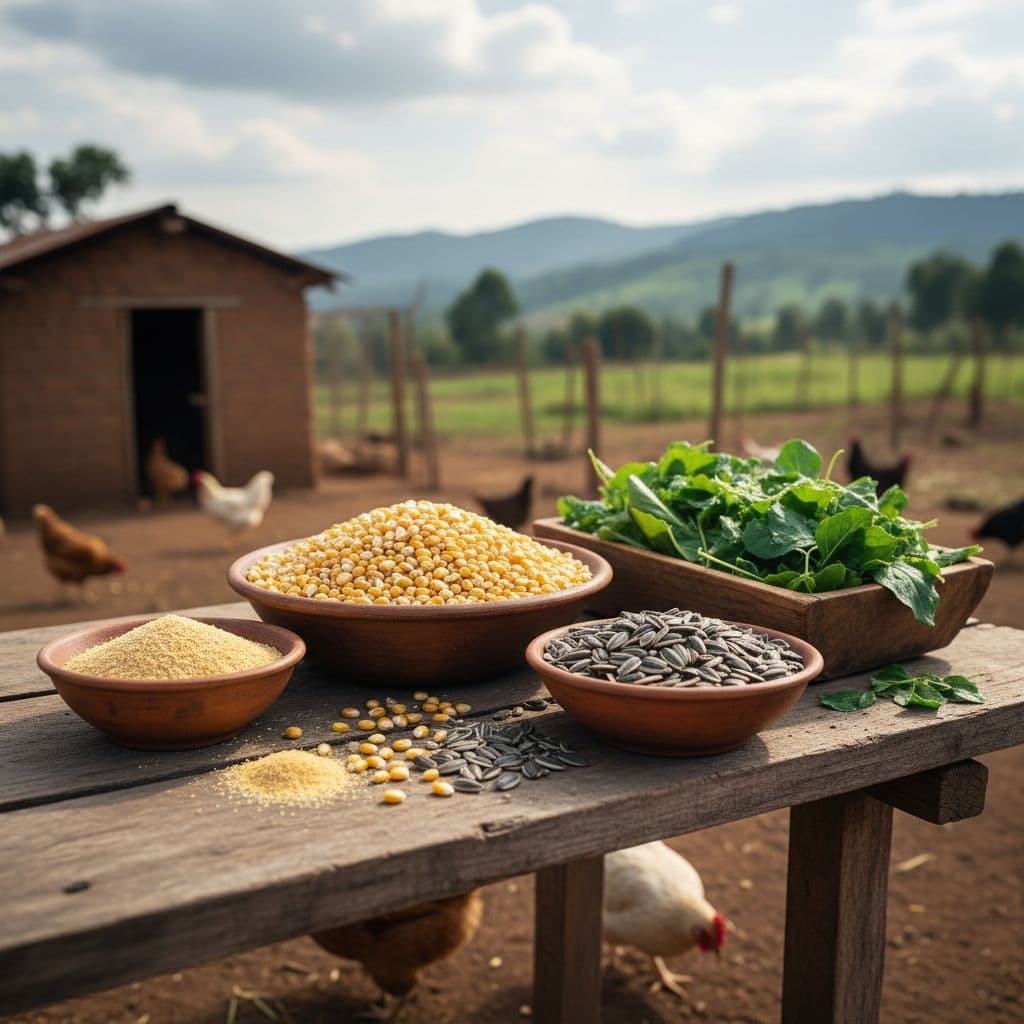
Clean, fresh ingredients matter at every step. Grain with mold, damp feed, or spoiled kitchen scraps can do more harm than good, so inspection should come before mixing.
Energy sources that keep birds active and growing
Energy feeds are the base of many rations. They give birds the fuel they need for movement, warmth, growth, and daily body work. Whole maize is the most common choice, and whole maize can work well when birds can handle the grain size.
Other useful energy sources include maize bran, maize germ, wheat bran, wheat pollard, rice bran, cassava products, potato peels, and brewers waste. These ingredients help stretch a ration, but most work best in a mix rather than as the main feed. Wheat bran and rice bran, for example, can add useful bulk, while cassava products should be handled with care and properly processed before feeding.
A simple way to think about energy feeds is this, they keep the bird going, but they do not do the full job alone. If you depend too much on one starchy ingredient, the ration may fall short in protein and minerals. Also, never feed rotten maize or spoiled grains. They can carry mold toxins that hurt growth, reduce laying, and make birds sick.
Protein ingredients that help chicks and growers build strength
Protein ingredients are the building blocks of the ration. Chicks need them for fast growth, and growers need them for muscle, feathering, and body development. That is why soybean meal, sunflower cake, cotton seed cake, fishmeal omena, and mealworms are so useful.
These feeds do more than fill stomachs. They support strong frames, healthy plumage, and steady weight gain. Mealworms are especially attractive for farmers looking for a local protein option, since they fit well into low-waste feeding systems and can reduce pressure on expensive protein sources.
Protein quality matters as much as the total amount. A ration can look rich on paper and still perform poorly if the amino acids balance is off. Chickens need the right mix, not just a high protein number. For a deeper guide to common feed ingredients and their roles, see the Poultry Hub feed ingredient guide.
Minerals and additives that support eggs, bones, and health
Minerals are small parts of the ration, but they do heavy work. Lime acts as a primary lime calcium source for strong bones and, in layers, firm eggshells. Bone meal adds more calcium and phosphorus, which help birds grow and stay active.
Salt also matters, but only in small amounts. Too much salt can cause trouble, so it should never be used carelessly. A vitamin and mineral premix fills gaps that local ingredients may not cover, especially when birds face stress or faster growth demands.
A toxin binder is useful when feed quality is uncertain. It helps reduce the effect of mycotoxins from poor-quality grains, which is important during wet seasons or when storage is weak. Layers need extra calcium, so they should get a mineral mix suited to egg production, not a broiler ration.
Green plants and farm by-products that can stretch a ration
Leafy greens can add variety and extra nutrients. Moringa is a strong example, and many farmers also use other safe greens in small amounts. These ingredients can improve the ration, but they should not replace a proper feed mix.
Farm by-products can also help when they are clean and safe. Fresh kitchen scraps, trimmed vegetable leaves, and other farm leftovers can reduce waste and stretch feed budgets. Still, they need careful handling. Anything rotten, dirty, or moldy should stay out of the feeder.
Used well, these local ingredients make feeding more flexible and less costly. The goal is a clean, balanced ration that matches the bird’s age and purpose, not a random mix of leftovers. When farmers choose fresh inputs and combine them by function, they get better results with less waste.
How to balance feed for chicks, growers, and layers
One feed formula does not suit every bird. Chicks need rapid growth support, growers need steady body development, and layers need calcium for eggshells and daily production. When you master poultry feed formulation Kenya farmers rely on to keep costs low, you waste less feed and achieve better results.
This matters for anyone using natural poultry feed. The ingredients may stay local, but the nutritional requirements must change as the birds grow. A ration that works for a six-week chick can fail a laying hen, and a layer ration can harm young birds if used too early.
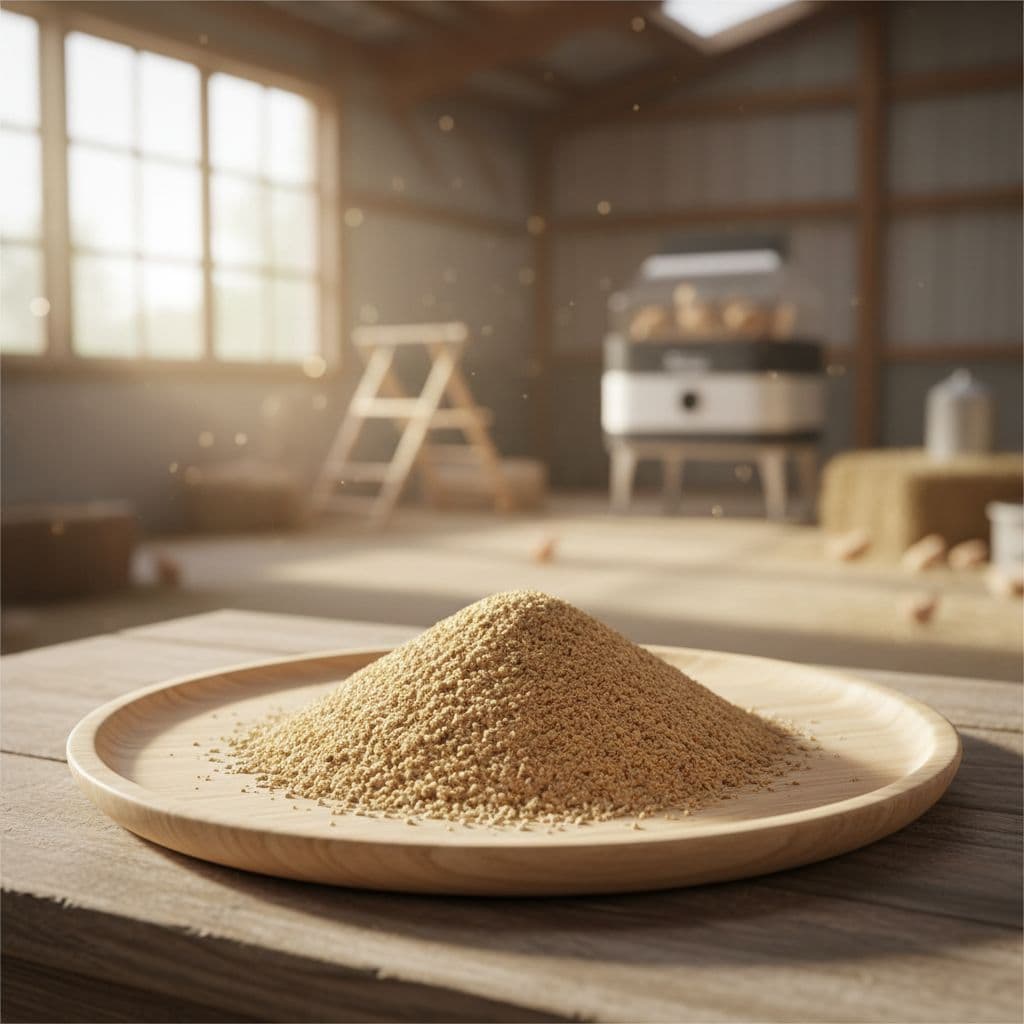
Calculating nutritional requirements means matching your specific mix to the needs of your birds at their current life stage. To do this effectively, farmers often use the Pearson Square method, a simple mathematical tool to balance ingredients like maize bran for energy and sunflower cake for protein. You should determine the target crude protein and metabolizable energy levels for your birds and then adjust your local ingredient proportions to meet those exact percentage targets. When you balance these components, you ensure the birds receive steady nutrition rather than just filling their stomachs with cheap bulk. By carefully adjusting the crude protein content based on the age of the flock, you maintain balance using cost-effective supplies without compromising bird health.
What young chicks need most in the first weeks
Young chicks grow fast, so their chick starter mash must support body frame, muscle, and feather development. They need high protein, clean ingredients, and feed that is easy to digest. Fine maize meal, quality bran, soya, fishmeal, or mealworm meal can help, as long as the mix stays fresh and clean.
At this stage, poor feed slows growth quickly. Chicks that miss key nutrients often develop weak feathers, slow weight gain, and uneven flock size. That creates problems later, because weak chicks rarely turn into strong growers or productive layers.
Keep the feed simple and safe. Avoid moldy grain, wet mash, or rough ingredients that are hard for small birds to eat. Clean water is just as important, since young chicks use both feed and water to build their bodies well.
What growers need to stay healthy and gain steady weight
Growers need a balanced grower mash with moderate protein and enough energy to keep them active. Too little protein slows growth, but too much is wasteful and can upset the ration. The goal is steady weight gain, strong bones, and smooth flock development.
This is the stage where many farmers make mistakes. They either keep chick feed on too long or switch too early to a low-quality mix. A good grower feed sits in the middle, giving birds enough support without pushing them too fast.
A simple grower ration can combine maize or bran for energy, sunflower cake or soy for protein, and a mineral mix for bone support. For general poultry nutrition guidance, the University of Maine’s backyard chicken feed table gives a clear comparison of starter, grower, and layer needs.
Growers should keep moving forward at a steady pace, not race ahead or stall.
What layers need to produce strong eggshells
Layers need enough energy and protein to keep laying, but calcium is the key mineral at this stage. Lime, bone meal, and other calcium-rich ingredients help hens form strong shells and keep egg output stable. Without enough calcium, eggs often become thin-shelled, soft, or broken.
A layer mash should not be overloaded with protein, but it should not be weak either. Hens still need fuel to make eggs every day, so the feed must support both production and body repair. If the ration is short on energy, egg numbers usually drop. If calcium is too low, shell quality suffers first.
This is also why layer feed should not go to young birds too soon. The extra calcium can strain growing bodies. For a simple breakdown of stage-based poultry feed needs, see this poultry feed guide for chicks and layers.
A practical layer mix often includes:
- Energy sources like maize or maize bran
- Protein sources like soybean meal, sunflower cake, or mealworms
- Calcium sources like lime or bone meal
- Minerals and vitamins for steady laying
When you get the balance right, hens stay productive longer and produce eggs with stronger shells.
Simple mix ideas farmers can try with common ingredients
A good home mix does not need fancy inputs. It needs the right balance, clean ingredients, and a setup you can repeat without stress. That is what makes natural poultry feed Kenya farmers can use at home so practical, especially when commercial bags go up in price.
The best mix depends on the bird type, the price of ingredients, and what you can buy nearby. A chick starter mash will look different from a layer mash, and a tight budget may call for more bran or maize and a smaller amount of protein. Whatever you use, mix the feed well and store it in a dry place so it stays fresh.
### A basic starter mix for small flocks
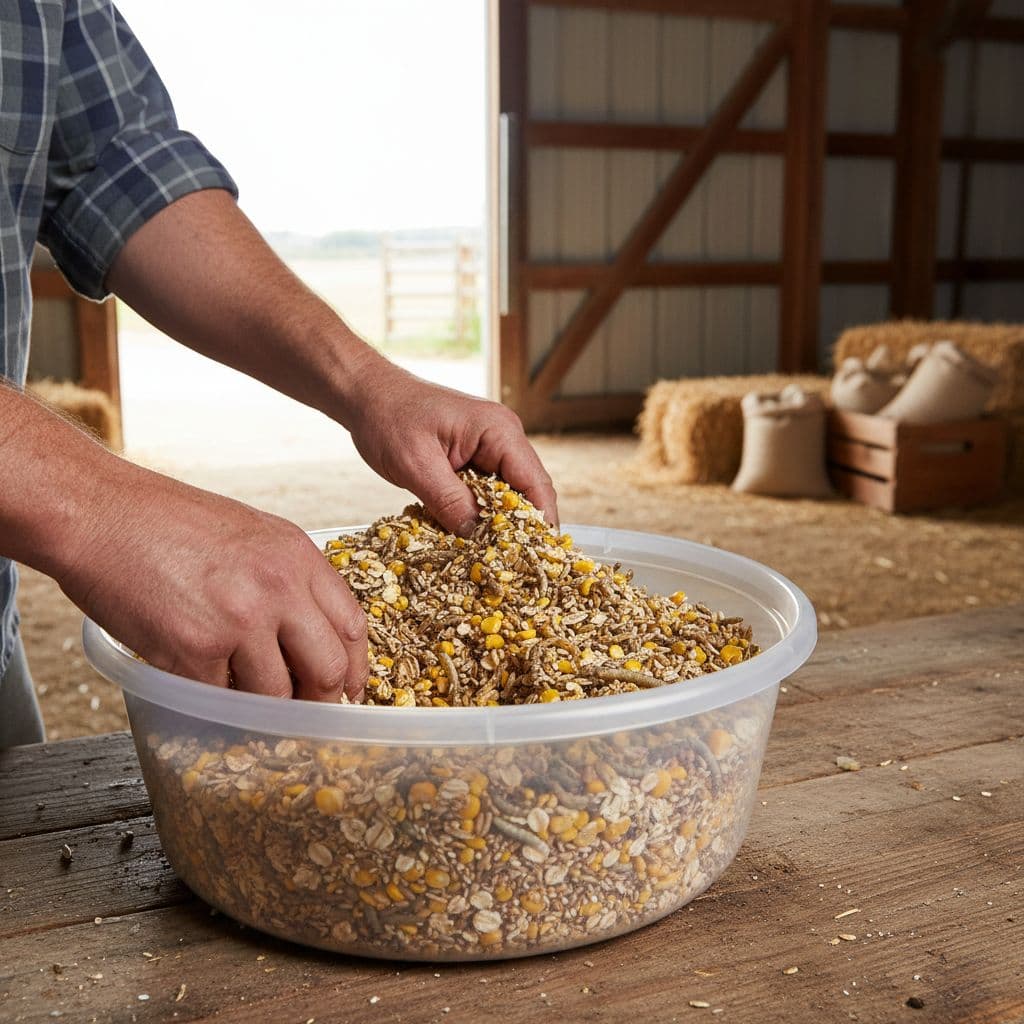
If you are making feed at home for the first time, start with a simple blend. A small flock only needs a clear, sensible ratio of energy, protein, minerals, and a little salt or premix. Maize or bran can form the base, then add a protein source like soya meal, sunflower cake, or fishmeal omena.
When formulating a grower mash, ensure the fiber content remains balanced to support steady development. For young birds, adding a coccidiostat is a smart precaution to protect gut health. Furthermore, incorporating specific feed additives such as amino acids or essential minerals ensures your birds get the necessary nutrients for optimal growth.
A basic home mix can look like this:
- Maize or maize bran for energy
- Sunflower cake, soybean meal, or fishmeal omena for protein
- Lime or bone meal for minerals
- A small amount of salt or premix
This kind of mix is easy to find, easy to adjust, and easy to scale up later. For layers, keep the mineral part strong. For chicks, keep the protein higher and the mix finer. Farmers who want a simple reference can also check this home feed guide for Kenyan poultry keepers.
Low-cost ways to boost protein when prices rise
When feed prices climb, protein is usually the first place to feel the squeeze. Still, birds need enough protein to grow well, lay steadily, and keep good feather cover. That is why sunflower cake, soy, fishmeal omena, and mealworms are useful tools, not luxury items.
When evaluating protein sources, focus on the digestible crude protein content rather than just the total weight. This ensures your birds are absorbing the nutrients they need for muscle development. Aim for a balanced crude protein level based on the bird’s life stage, such as when preparing a high-energy broiler finisher feed to ensure maximum weight gain before market.
A smart farmer treats protein like the engine in a pickup. If it runs weak, the whole machine slows down. If it runs well, birds stay productive even when the budget is tight.
How to use mealworms as part of a natural feed plan
Mealworms fit best as a protein supplement, not as the whole ration. They are rich in protein and work well when mixed with maize, bran, or other feed ingredients that provide energy. That makes them useful for farmers who want to reduce pressure on fishmeal or other costly protein sources.
They also fit well into a more circular farm system. Insect production can turn food by-products into useful feed, which helps reduce waste while adding value back into the farm. Research from icipe also shows that mealworms are being studied for broader uses in feed and waste management, which adds more weight to their place in practical farming.
Use mealworms as a boost, especially for birds that need extra support. A small amount mixed into the ration or offered alongside the main feed can improve protein intake without pushing costs too high. For farmers who want a simple comparison of homemade feed ideas, Backyard Poultry’s homemade feed guide gives useful examples of mix-based feeding.
Mealworms work best as one part of a wider feed plan, not as a stand-alone solution.
The simplest rule for mixing at home
Keep the ration clean, balanced, and consistent. Use what is available, but do not let price alone decide the mix. Birds still need the right share of energy, protein, and minerals to stay healthy and productive.
Before you feed, check three things:
- The ingredients are dry and free from mold.
- The mix is blended evenly, so birds do not pick out only the best parts.
- The ration matches the bird’s age and purpose.
That simple habit saves money and reduces waste. It also helps you build a feed routine that works week after week, even when ingredient prices keep moving.
Feed safety checks every farmer should follow
Good feed only helps when it stays clean, dry, and fresh. A mixed ration can look perfect on day one, then spoil fast if it sits in heat, picks up moisture, or gets attacked by pests. That is why feed safety checks matter as much as the recipe itself.
For farmers using natural poultry feed Kenya flocks depend on, a quick inspection can save birds from illness and save money from being wasted. The habit is simple: smell it, look at it, feel it, and check where it came from before you pour it into the feeder. Monitoring your feed conversion ratio is also a smart way to gauge whether your homemade feed is actually supporting healthy growth and efficiency.
### Signs the feed is unsafe or too old
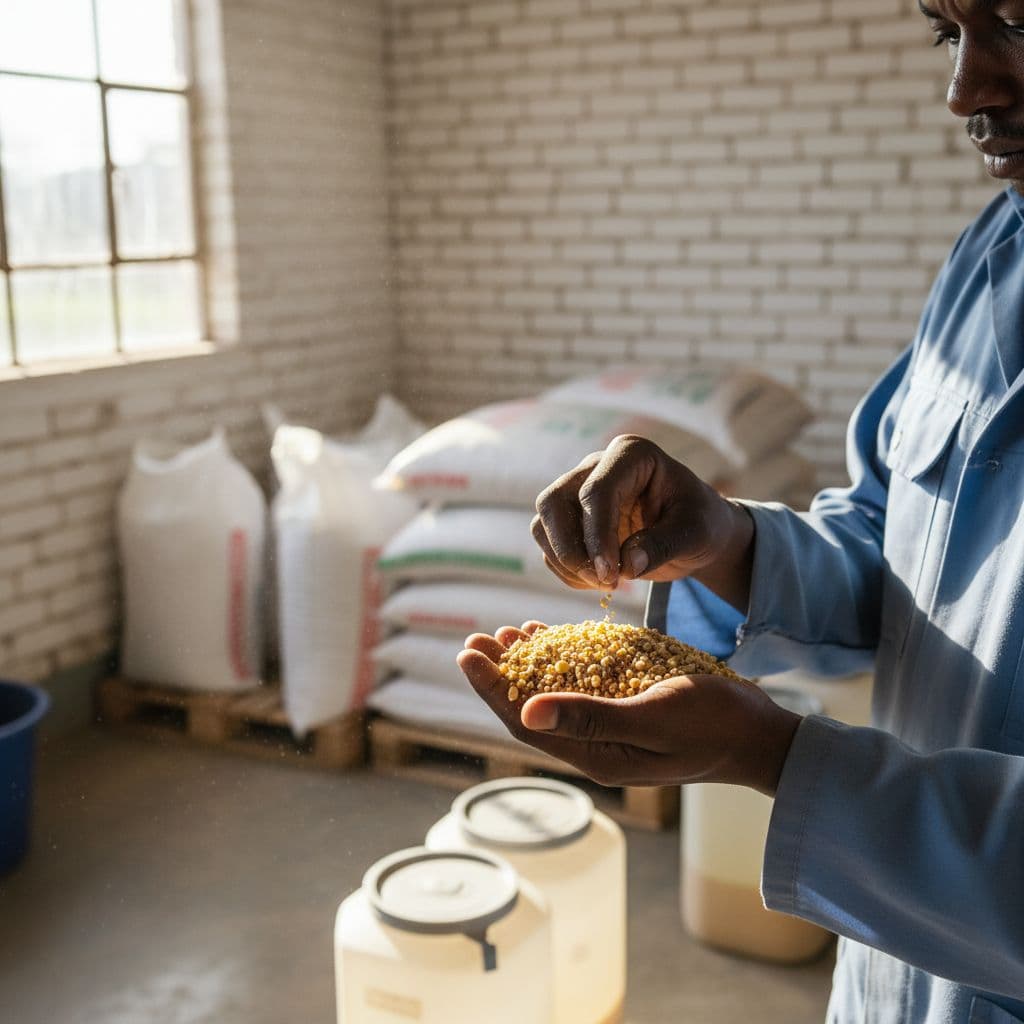
Unsafe feed often gives clear warnings before birds touch it. Start with your nose, because spoiled feed usually smells musty, sour, oily, or rotten. Fresh feed should smell clean and grain-like, not sharp or stale.
Then check the surface and texture. Look for visible mold, clumps, damp patches, or feed that feels crusty and hard. If the color looks dull, faded, or uneven, that can also point to spoilage. If you suspect minor moisture issues, some farmers consult with vets about using a toxin binder to mitigate risks, though you should always discard heavily contaminated batches. Birds may peck at it anyway, but that does not make it safe.
Pest damage is another red flag. Holes in bags, droppings, webbing, or live insects mean the feed has been exposed. Once rodents or bugs get in, the risk rises fast. If you see any of these signs, do not feed it to your flock.
When in doubt, leave it out. Moldy feed can harm birds even if the spoilage looks small.
A quick visual check before feeding takes only a minute. That minute can prevent poor growth, dropped egg output, and costly bird losses.
Why storage matters as much as the recipe
Even the best ration can go bad in poor storage. Feed needs a dry, cool, and clean place so it does not absorb moisture or grow mold. If a bag feels soft or wet, the feed inside may already be damaged.
Keep bags or containers off the floor. A wooden pallet, shelf, or raised rack helps protect feed from damp concrete and splashes. Sealed containers also block dust, rodents, and insects. Open sacks left in a hot room spoil faster, especially in humid weather.
It helps to use older stock first, so feed does not sit too long. A first-in, first-out routine keeps bags moving and reduces waste. If you buy ingredients in bulk, store each one separately and close it tightly after every use.
The source matters too. Buy from sellers who keep ingredients clean and dry, especially for mealmeal, bran, or oilseed cake. Poor storage can ruin a good mix and turn a smart feed budget into a loss.
For more on safe feed handling and farm-level checks, the feed mill control guidance from Inspection Canada shows how written routines help keep feed safe and consistent.
When to ask for expert help or buy ready-made feed
Sometimes the problem is not the feed room, it is the mix itself. If you are unsure about ingredient quality, mixing ratios, or how much protein your birds need, get help before you keep feeding the wrong ration. A small mistake in balance, particularly failing to hit the right levels of essential amino acids like lysine and methionine, can slow growth or lower egg production for weeks.
Watch your flock closely. If chicks stop growing well, growers look thin, or layers suddenly drop eggs, the feed may be part of the problem. Health issues can also hide behind feed problems, so it helps to act early instead of waiting for birds to recover on their own.
Ready-made feed can be the better choice when you cannot confirm the quality of raw ingredients. It may cost more upfront, but it can save time and reduce guesswork. That matters when feed spoilage, poor mixing, or weak ingredient supply keeps showing up.
Use expert help when you need a second set of eyes. A trusted supplier, extension officer, or poultry nutrition adviser can help you correct the ration before losses grow. For farmers who use natural poultry feed Kenya systems, good advice is part of feed safety, not an extra.
Frequently Asked Questions
How can I ensure my homemade feed is properly balanced?
To create a balanced ration, you must categorize ingredients by their primary function: energy, protein, and minerals. Using a mathematical tool like the Pearson Square method helps you calculate the correct proportions of these components to meet the specific crude protein and energy targets required for your birds’ current growth stage.
Are mealworms a reliable protein source for poultry?
Yes, mealworms are an excellent, high-protein supplement that works well in circular farming systems. They serve as a practical way to reduce dependence on costly imported fishmeal, though they should be used as one part of a wider, balanced diet rather than the sole food source.
What are the most common signs that my poultry feed has spoiled?
Check for a musty, sour, or sharp odor, which often indicates mold or fungal growth. Additionally, look for physical signs such as clumping, visible mold patches, or evidence of pest activity like insect droppings and webbing; if these are present, the feed should be discarded to prevent illness.
Why does layer feed require different ingredients than grower feed?
Layers have a high physiological demand for calcium to produce strong eggshells, which is why their rations require specific mineral additives like lime or bone meal. Feeding a layer ration to young birds can actually cause health issues, as the excess calcium may be harmful to their developing bodies.
Conclusion
The best natural poultry feed Kenyan farmers can use is simple, affordable, and balanced. Local ingredients like maize, bran, oilseed cakes, mealworms, and safe greens work well when they match the specific nutritional needs of birds at different life stages. By mastering poultry feed formulation Kenya farmers can significantly reduce their overhead costs while maintaining high productivity.
Clean storage is just as vital as the quality of the mix. Keeping ingredients dry, serving fresh feed, and following consistent feeding routines help birds grow well and ensure steady egg production.
Farmers do not need to rely on expensive commercial products to raise healthy birds. By prioritizing the right mix, sourcing clean local ingredients, and providing steady care, you can achieve long term success in your poultry venture.