

More chicken keepers, bird lovers, and small farmers in Kenya are adding mealworms to their feeding plan. These insects serve as an excellent protein source that is easy to manage, rich in essential nutrients, and highly effective for poultry, pet birds, wild birds, and even small breeding projects. When choosing the right animal feed for your flock, opting for GMO free insects ensures that you are providing a natural, healthy boost to your birds.
Still, not every pack on the market is worth your money. If you are comparing mealworms for sale in Kenya, the best choice depends on quality, freshness, price, and your specific goals. They work best as a supplement, alongside a balanced diet, rather than as a complete replacement for standard feed.
Key Takeaways
- Nutritional Value: Mealworms are a high-protein supplement that boosts health for chickens, pet birds, and wild birds, particularly during molting or periods of high energy demand.
- Quality Matters: Always prioritize healthy, active live worms or fresh, clean dried ones; avoid any stock that appears shriveled, blackened, or has a foul, rotten odor.
- Feeding Strategy: Mealworms should be treated as a supplement rather than a replacement for a balanced, formulated diet to ensure your birds receive necessary minerals and fiber.
- Smart Sourcing: Choose reputable Kenyan suppliers who provide transparent information on handling, offer fast delivery to maintain freshness, and understand your specific goals for use.
What makes good mealworms worth buying in Kenya?
High-quality mealworms, scientifically known as Tenebrio molitor, are a smart investment for any poultry or bird enthusiast. Good stock saves you money because they provide superior nutrition, store longer, and result in fewer losses compared to cheap alternatives. Poor quality stock often consists of weak larvae, dusty dried worms, or products that look acceptable online but arrive in poor condition. When you choose premium mealworms, you get a much better return on investment than relying solely on standard commercial feed.
### Look for healthy, active live mealworms
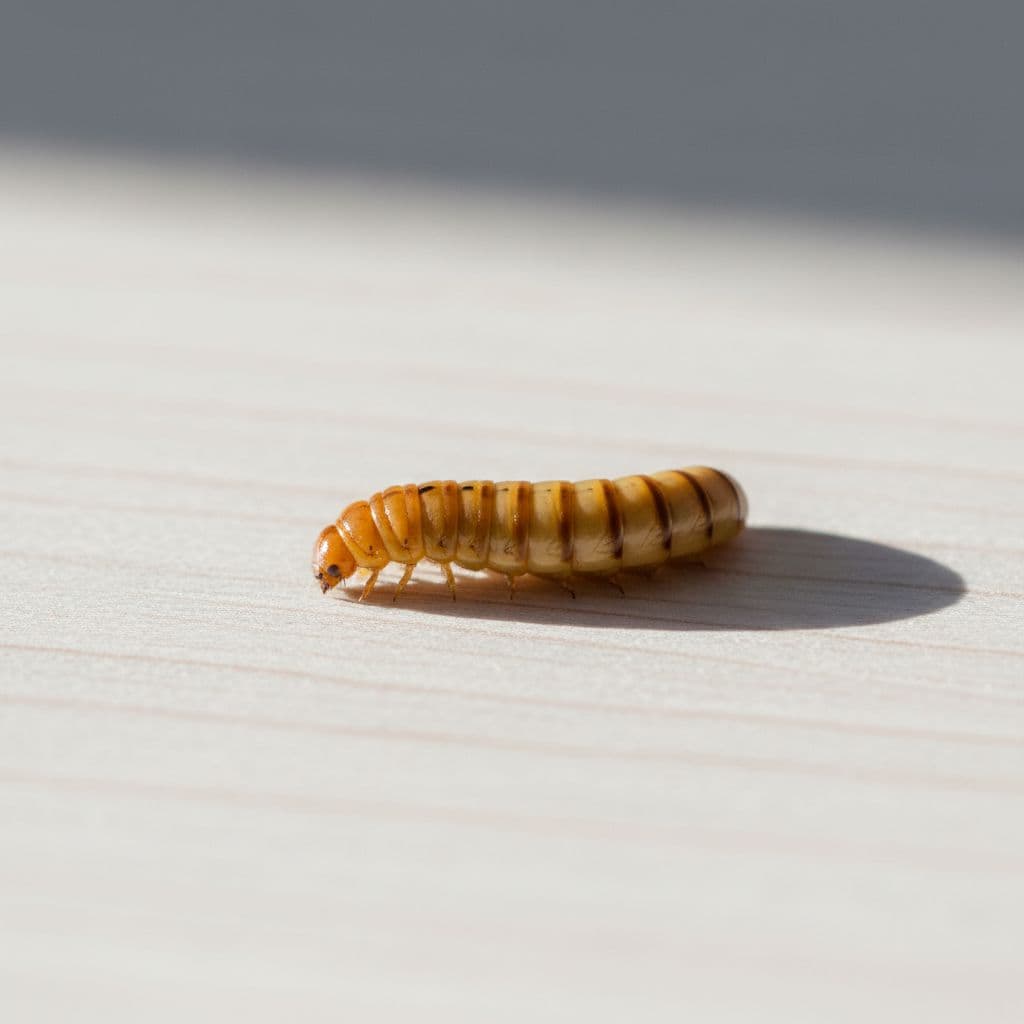
Healthy live mealworms move when disturbed. They should look firm, clean, and fairly uniform in size. Most buyers prefer a golden-brown color, although the shade can vary slightly with age and feed. Most importantly, ensure the worms are gut-loaded, which means they have been fed a nutrient-rich diet before sale, significantly boosting their vitamin and mineral content for your animals. They should never be blackened, limp, or shriveled.
Smell also tells you a lot. Fresh live stock should have little to no foul odor. A sour or rotten smell often means poor handling, excessive moisture, or dead larvae mixed in the batch. This increases waste and lowers the overall feed value.
Choose the right form for your goal: live, dried, or starter stock
The right product depends on how you plan to use it. A layer farmer has different needs than a bird watcher or someone running a small home operation.
| Type | Best for | Main advantage | Watch for |
|---|---|---|---|
| Live mealworms | Chickens, birds, reptiles | Highest appeal and nutrition | Need careful storage |
| Dried mealworms | Easy storage, occasional feeding | Convenient and less messy | Check for freshness |
| Starter stock | Small farming or breeding | Lets you build your own supply | Needs routine care |
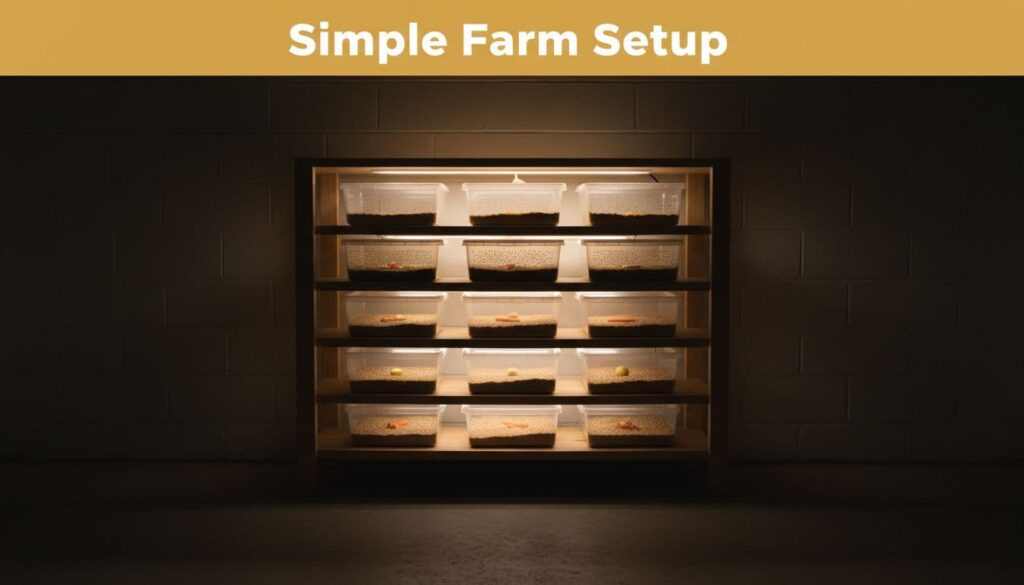
Live worms are the best choice if you want a strong feeding response immediately. Dried worms work well if you need longer shelf life and easy transport. Starter stock, often sold as a comprehensive breeder kit, makes perfect sense if you would rather produce your own supply than keep buying every week.
Typical Pricing in Kenya
When shopping, it is helpful to know the market rates. Generally, typical pricing in Kenya ranges from KES 800 to KES 2,500 per kilogram. Prices fluctuate depending on whether you are purchasing live worms or the dried variety, as well as the quantity and source quality.
Check cleanliness, handling, and storage before you buy
Before paying, ask how the mealworms were packed and stored. Dry packaging is essential for longevity. If the container traps too much heat or moisture, losses will rise quickly.
Check for mold, mites, wet bedding, or excessive fine dust. With dried mealworms, look for a clean, dry product that is not greasy, damp, or clumped together. With live stock, ask how long it has been in transit and whether dead worms are removed before packing. Clean handling protects both the feed value and the shelf life while reducing the risk of bringing pests into your coop, bird room, or storage area.
How mealworms support chickens, birds, and small farms
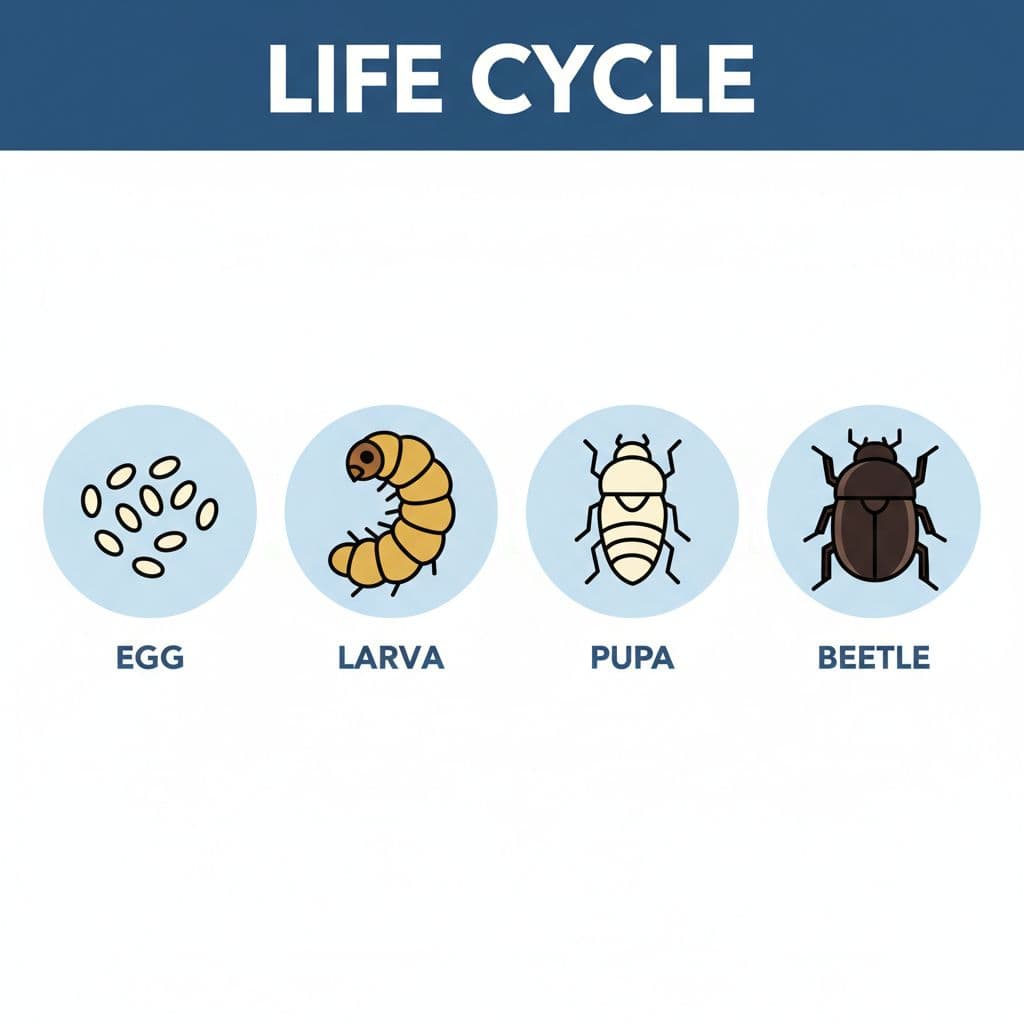
Mealworms are the larvae of darkling beetles, and they pack a lot of nutrition into a small body. That is why they are popular with poultry keepers and bird owners. In Kenya, they also fit a bigger shift toward insect-based farming because they can turn low-value materials into useful animal protein.
Why chickens do well with mealworms
Chickens, especially kienyeji chickens, benefit most from mealworms when they need extra protein and energy. That includes young growers, birds under stress, and hens during molt. Protein supports feather growth, while fat gives birds an easy energy boost. While black soldier fly larvae are another popular sustainable alternative, mealworms remain a top choice for supplementing high-quality poultry feed.
Mealworms also help make feeding time more active. Scatter a small amount, and chickens start scratching, pecking, and moving. That simple habit can reduce boredom in confined birds. Current feeding guidance also supports mealworms as a treat for recovery and for encouraging hens to come when called.
Keep the portion sensible. Chickens still need a complete ration with the right minerals, calcium, and fiber. Mealworms improve the diet, but they should not replace formulated feed.
How bird watchers use mealworms to attract more birds
Bird watchers like mealworms because many insect-eating birds notice them fast. Robins, wrens, bluebirds, and similar species often respond well, especially when natural insects are harder to find. Dry spells and cool seasons are common times when the high nutritional value of supplemental food helps.
A useful wild bird mealworm guide notes that mealworms are most helpful in moderation and at times of high energy demand, such as nesting and migration. That matches what many backyard bird feeders see in practice.
Live worms usually get the quickest response, but dried worms can still work if you want cleaner handling. Place them in a shallow feeder, keep the area dry, and avoid leaving spoiled feed outside.
How mealworms fit into sustainable farming
Mealworms matter for more than feeding chickens. They also fit small circular farming systems. Farmers can raise them on selected grain by-products and use the insects as feed, while the frass can support soil health in crop production.
Kenyan insect research has pushed this idea forward. Work from icipe has shown that insect farming can support food and feed systems, job creation, and lower pressure on common feed ingredients like fishmeal and maize. The same research network has also explored the plastic-eating capabilities of certain larvae, including their ability to break down plastic pollution and Styrofoam in the environment. That does not change how you buy feed mealworms today, but it shows how much serious science now backs insect-based farming in Kenya.
How to Find Reliable mealworms for sale in Kenya
Buying well starts with the seller, not the price tag. A trusted supplier should know who the product is for, how it was handled, and how you should use it after delivery.
Buy for your goal first, then compare price.
You can find reputable suppliers by checking local agricultural forums, specialized online marketplaces like Jiji Kenya or PigiaMe, and social media groups dedicated to poultry or insect farming. Many of the most consistent providers are based in major agricultural hubs like Nairobi, Thika, and Nakuru. It is beneficial to search for local breeders or firms in these areas that offer direct, reliable delivery, as this ensures your mealworms arrive fresh and healthy.
Buy from sellers who understand animal feed needs
A good seller should speak clearly about how to use the product as a high-protein feed supplement for your livestock. They should know whether their mealworms suit poultry, pet birds, fish, reptiles, or breeding. They should also explain the difference between yellow mealworms, dark mealworms, dried packs, and starter stock if they offer more than one type.
Look for clear product details. Ask about size, form, weight, packaging, and feeding guidance. Honest answers matter more than slick marketing. If the seller avoids basic questions, move on. This matters even more if you are sourcing mealworms for sale in Kenya on a repeat basis, as small farms need a consistent, reliable supply chain.
Compare freshness, quantity, and pricing before ordering
Price only makes sense when the quantity and quality match. A cheap pack can cost more per useful gram if it is full of dead larvae, dust, or broken dried worms. Always compare by weight or quantity, not by bag size alone.
Also, ask what the price includes. Does it cover delivery? Is the packaging breathable for live stock? Are you paying extra for small trial packs? These details change the real cost. For dried worms, the best value usually comes from a clean, fresh batch with low breakage. For live worms, freshness and high survival rates matter more than a rock-bottom price.
Ask about local delivery, pickup, and support
Kenyan buyers often prioritize speed because live feed does not handle long delays well. Local supply is a major advantage. If a seller is based in Nairobi, Thika, or Nakuru, repeat orders are usually easier to manage.
Ask about pickup, delivery days, and how the worms travel. If you are outside major towns, confirm transit time before paying. Strong support after the sale also matters. You may need quick advice on storage, feeding, or how to handle a package that arrives during a hot day. That kind of practical support is often what separates a dependable supplier from a one-time seller.
Quick Buying Checklist
- Check for activity (if buying live larvae).
- Check for crispness and color consistency (if buying dried mealworms).
- Verify the substrate cleanliness to ensure the product is free of mold or waste.
- Confirm delivery speed to your specific location to ensure the health of your order.
Simple feeding and storage tips that help you get the most value
Once you have purchased quality mealworms, basic care ensures your investment lasts. Heat, dirt, and moisture are the primary reasons worms spoil or die prematurely.
Store mealworms in a cool, dry place
Live mealworms need consistent airflow and moderate temperatures to thrive. Keep them out of direct sunlight and away from humid areas, as high humidity can quickly compromise the quality of your stock. A shallow breeding container with dry substrate works effectively for short-term storage or for those looking to expand their own supply. Dried mealworms also require a cool, dry environment, and they must be kept in a tightly sealed container after opening to maintain freshness.
If heat builds up, live worms weaken quickly. If moisture penetrates your supply of dried worms, mold can develop, rendering them unsafe for your animals.
Feed them in small amounts and keep the diet balanced
Start with small portions and observe how quickly your birds finish them. This approach reduces waste and helps you accurately judge the daily demand. Remember that mealworms should serve as a high-protein feed supplement rather than a complete meal; chickens should continue eating their regular formulated feed, and wild birds should still have access to seeds, suet, or natural forage.
A recent feeding guide for wild birds highlights that mealworms work best as part of a varied diet, especially during breeding and dry periods when the natural demand for insects rises.
Avoid mold, dirty feed, and wet conditions
Most product losses stem from simple management mistakes. Wet scraps, dirty containers, and poor ventilation spoil mealworms fast. Regularly remove dead larvae from your live batches and keep your feeders clean. Never leave uneaten worms sitting in the rain or exposed to the intense sun.
Developing these small, consistent habits will protect the quality of your product and significantly cut down on waste, which is especially important if you buy in bulk to support your chickens and birds.
Frequently Asked Questions
Can I use mealworms as the main food source for my chickens?
No, mealworms should only be used as a protein-rich treat or supplement to a complete, nutritionally balanced feed. Relying on them as a sole food source can lead to dietary deficiencies in calcium, minerals, and essential fibers.
How can I tell if my live mealworms are healthy?
Healthy live mealworms should be active when disturbed and exhibit a firm, clean, golden-brown appearance. Avoid any stock that is limp, blackened, or emitting a sour or rotten smell, as these are signs of poor handling and low quality.
What is the best way to store mealworms after I receive them?
Live mealworms should be kept in a well-ventilated, shallow container in a cool, dry place away from direct sunlight. Dried mealworms should be stored in an airtight container in a dry environment to prevent moisture buildup and mold growth.
Should I buy live or dried mealworms for my poultry?
Your choice depends on your specific needs; live mealworms provide the highest nutritional appeal and stimulate natural foraging behavior, while dried mealworms offer superior convenience and a longer shelf life. If you want to encourage active movement in your flock, live worms are generally the preferred option.
Conclusion
The best mealworms for sale in Kenya are those that stay fresh, match your specific feeding goals, and come from a supplier who understands the product. Healthy live worms should be active and clean, while dried options must be fresh and well-packed. If you are starting your own colony, your starter stock should provide the quality needed for successful mealworm farming.
Beyond simple nutrition, remember that these insects offer incredible value. They provide exceptional nutritional value for your flock, and the waste byproduct, known as frass, serves as a high-quality organic fertilizer for your garden.
Price remains a factor, but overall value is what matters most. Always compare freshness, quantity, storage quality, and delivery terms before you place your order. By choosing the right supplies, you are investing in healthier birds, more productive poultry, and smarter small-scale farming practices.