

If you keep chickens or birds in Kenya, you might be looking for a reliable way to buy mealworms in Kenya to provide a protein source for your animals. These larvae, known scientifically as Tenebrio molitor, offer a 100% natural nutritional boost, which is especially helpful when feed needs to do more with less. Many buyers also seek out these insects for fish, reptiles, or small-scale farming projects.
When you want to source these products, the real challenge is finding a supplier that offers steady quality, fair pricing, and the right form for your specific use. Live mealworms work well for breeding and active feeding, while dried varieties are much easier to store and handle over long periods.
Key Takeaways
- Choose Based on Purpose: Select live mealworms if you want to stimulate natural foraging or feeding responses, or opt for dried mealworms for long-term storage, ease of handling, and convenience.
- Verify Before Buying: Always confirm current stock, packaging quality, and delivery timelines with the supplier before sending payment to ensure you receive fresh, high-quality product.
- Start Small: If you are a first-time buyer or testing a new feed routine, begin with a small starter pack to gauge your animals’ preferences and avoid unnecessary waste.
- Use as a Supplement: Mealworms should be used as a protein-rich treat to support health during molting, breeding, or growth, rather than as a replacement for complete, balanced feeds like layer mash.
The main places people buy mealworms in Kenya
Mealworms in Kenya usually come from a small group of sellers, and each option fits a different buyer. Some people want a steady feed source for chickens, while others want a small pack for birds, reptiles, or trial use before they buy more.
Availability can change fast, so it helps to check stock before you order. You may see live or dried options, as well as starter packs listed separately. That difference matters, because each option suits a different storage setup and feeding routine.
### Buying directly from a Kenyan mealworm supplier
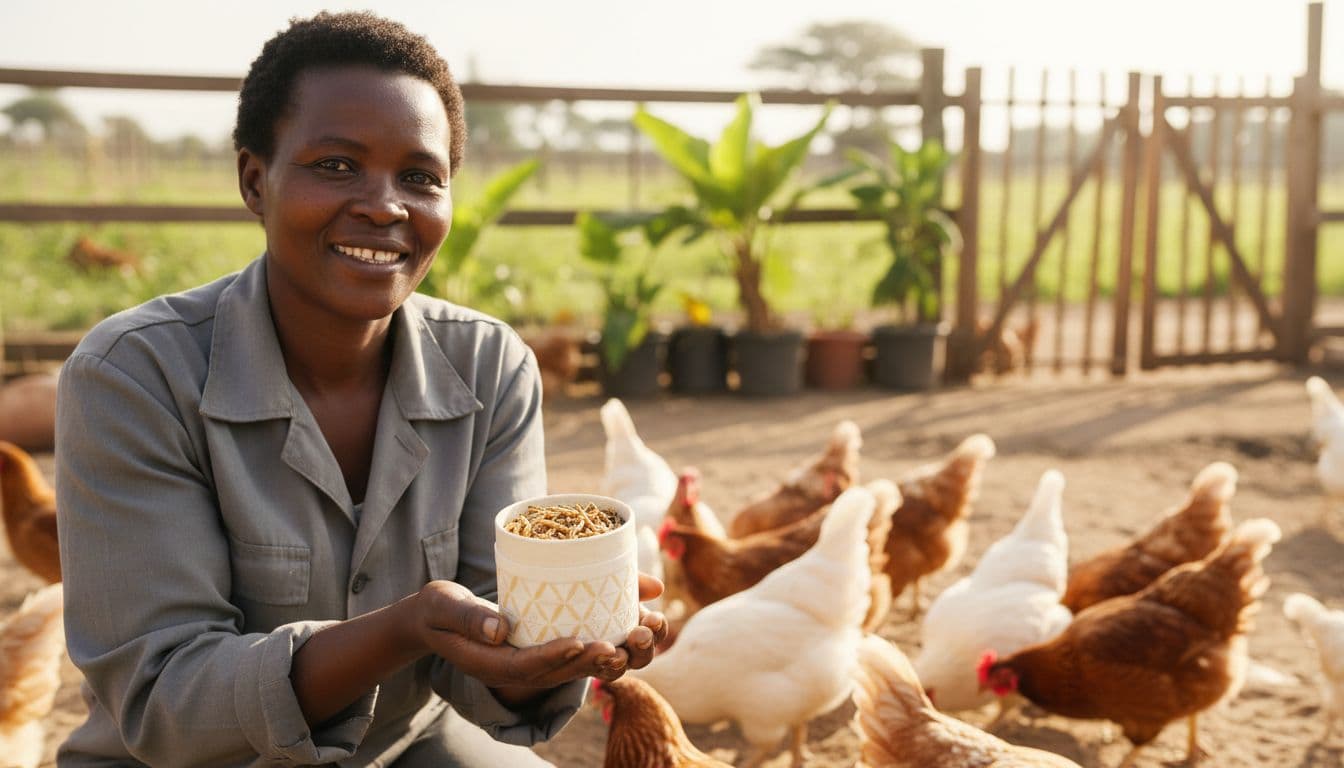
For regular buyers, direct purchasing is often the simplest route. Poultry farmers who need a steady supply can ask about stock, pack size, feeding advice, and storage before they place an order. That kind of direct contact also builds trust, because you can ask clear questions and get answers from the source.
Direct suppliers are also useful when you want a fresh product and fewer handling steps. If you buy often, you can compare delivery times, repeat orders, and whether the seller offers live or dried stock. A local Nairobi-based option like Mealworms Kenya can be a practical choice for farmers and animal owners who want a nearby supplier. Because these insects serve as a sustainable alternative to traditional fishmeal or soy-based feeds, direct sourcing ensures you receive high-quality nutrition for your livestock.
Checking online pet and feed stores for stock
Online pet shops and animal feed stores are another common place to look. You can often find these listings under pet supplies or small animal food. Some of them stock these insects for birds, poultry, and reptiles, so the same seller may carry more than one type of buyer-friendly pack. For those looking for smaller quantities to test, platforms like Microless often have 35 gr packs available for trial use.
Before you order, compare a few basics:
- Price per pack because small packs often cost more per gram.
- Pack size because a starter pack may suit pets, while bulk packs fit farms.
- Form of the product because live and dried insects are not handled the same way.
- Seller location because shipping can change the final cost.
If you are comparing online listings, read the product label carefully. A useful background guide on poultry feed use is The Standard’s mealworm feed article, which shows how they fit into chicken feeding plans.
When to ask a nearby supplier about delivery
Delivery makes sense for buyers outside Nairobi, and it also helps if you restock on a schedule. Instead of searching in person each time, you can ask a nearby supplier whether they ship to your area and how often they dispatch orders.
Still, delivery details matter. Check the fee, the delivery window, and the packaging method before you pay. These are feed products, so they need proper packing and sensible timing, especially if you are buying live stock or warm-weather shipments.
If you buy often, ask the supplier a simple question: “Can you deliver the same pack size every time?” That saves time and helps you plan feed use without last-minute surprises.
How to choose between live mealworms and dried mealworms
The right choice depends on how you feed, what you feed, and how often you restock. For many buyers who want to buy mealworms Kenya offers, the decision comes down to freshness, convenience, and shelf life.
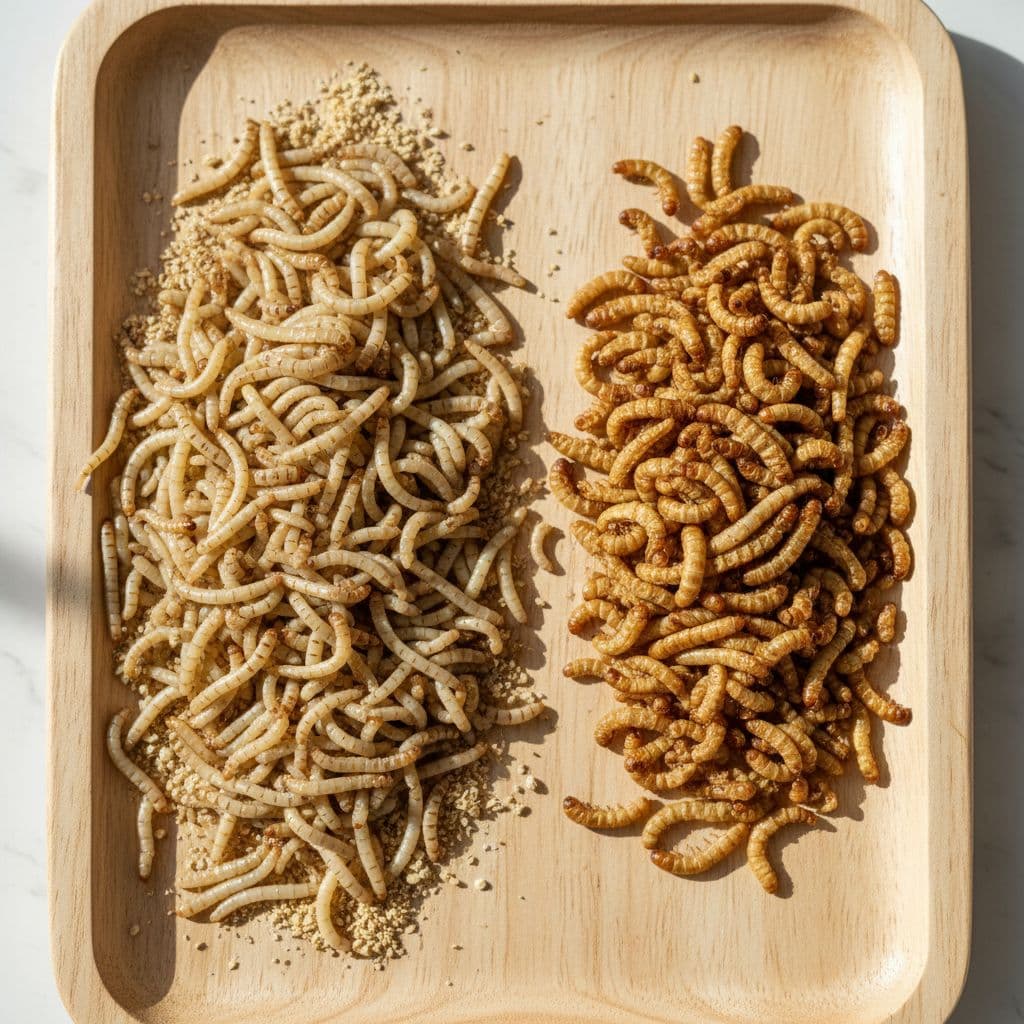
Live stock fits best when you want active feeding and a more natural response from birds or poultry. Dried alternatives fit better when you want easy storage, less mess, and a product you can keep on hand for longer. Both can work well, but they solve different problems.
### Why live stock may work better for some birds and poultry
Live stock appeals to birds that like moving feed. They wiggle, flutter, and trigger a stronger feeding response, which can make them useful for birds that are picky or slow to start eating. For poultry keepers, that movement can also encourage natural foraging behavior, so a chicken spends more time pecking and searching.
They are a good fit when you want to add a fresh treat to the routine or keep birds active around feeding time. Bird watchers often prefer them for feeders because they attract attention fast.
Live feed does need more care, though. It should be used sooner, kept under the right conditions, and handled with more attention than dried stock. If you cannot feed them quickly, live stock can be less practical.
Live stock is best when freshness and feeding response matter more than easy storage.
Why dried versions are easier to store and ship
Dried options are the simpler choice for many buyers. They last longer, take up less space, and are easier to move from one place to another. That makes them a smart choice for busy farmers who want the feed they can keep ready without extra handling.
They also create less mess. You do not need to manage a live container, and you do not have to worry as much about quick use. For first-time buyers, that lower upkeep makes dried stock feel like a safer starting point.
If you want a plain comparison, this helps:
- Live stock works better for freshness and feeding excitement.
- Dried versions work better for storage, transport, and easy use.
- Bulk buyers often prefer dried stock because it keeps longer.
- Small or first-time buyers often start with dried products to reduce risk.
How the animal you feed should guide your choice
Your animal should lead the decision, not the other way around. Chicken farmers usually want a feed add-on that is easy to store and simple to serve, as this helps maintain the Kienyeji taste in local poultry, so dried options often fit daily use better. Live stock makes more sense when you want to boost interest, reward birds, or support natural pecking behavior.
Bird owners and bird watchers often choose live stock when they want a stronger feeding reaction. Fish keepers may prefer the form that is easiest to portion and store. Owners of reptiles often look at how the feed will be offered, how often they feed, and whether the animal prefers active prey.
A simple rule helps here: choose live stock for freshness and feeding response, and choose dried options for convenience and shelf life. Then match that choice to how often you buy, how much storage space you have, and how you plan to use them.
What to check before you place an order
Before you buy mealworms in Kenya, take a close look at the seller, the pack, and the delivery terms. A good order starts with clear product details and ends with a clean, usable delivery. If any part feels vague, slow, or messy, keep looking.
A careful check now saves money later. It also helps you avoid dead live stock, stale dried stock, and sellers who disappear after payment.
Look at freshness, cleanliness, and packaging
Good stock should look healthy and well handled. Live larvae should be active, firm, and clean, while dried options should look golden and free from dust, mold, or broken bits. Premium quality is defined by having no additives and no preservatives, ensuring your poultry or pets receive a consistent food source for their daily nutrition. If the product looks dull, damp, or clumped, that is a warning sign.
Pay attention to smell as well. Fresh mealworms should not have a bad odor. Any sour, rotten, or musty smell can point to spoilage or poor storage.
Packaging matters just as much. A strong pack keeps the product protected during transport and makes storage easier when it arrives. Weak bags, poor seals, or containers with too much moisture can ruin the quality before you use it.
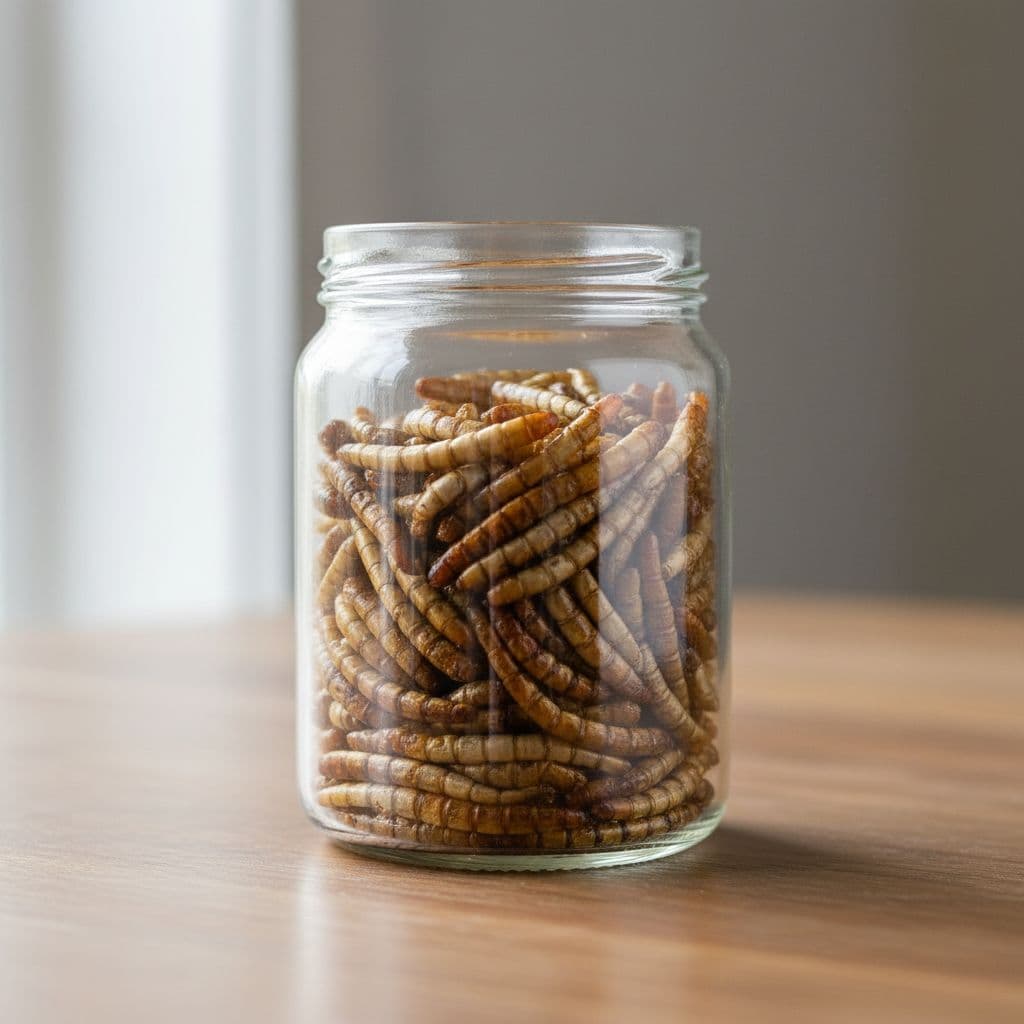
If the pack looks wet, torn, or poorly sealed, treat that as a sign to walk away.
For a simple quality check, ask yourself:
- Does the product look clean and dry?
- Is the smell normal?
- Is the packaging strong and sealed well?
- Are there signs of damage, mold, or excess moisture?
Compare pack sizes and real value for money
A low price can look attractive, but it does not always give you the best value. Small packs may cost less up front, yet they can be expensive per gram. Delivery fees can also push the final cost higher than you expected.
When you compare offers, look at the full deal, not just the sticker price. A larger pack with better quality may save more money over time, especially if you feed chickens often or buy in regular cycles.
Some sellers also offer starter packs, which are useful if you are new to this protein supplement. They let you test the product, check how your birds respond, and avoid buying too much too soon.
A quick comparison helps:
| What to compare | What to check |
|---|---|
| Pack size | Enough for your feeding plan |
| Price per unit | Better measure than pack price alone |
| Shipping cost | Final amount you will really pay |
| Starter packs | Good for first-time buyers |
Confirm stock, delivery time, and support before paying
Ask if the items are available now, not next week. If you need a steady supply for poultry or bird feeding, stock delays can disrupt your routine fast. That matters even more for farmers who restock on a schedule.
Delivery time is just as important. Find out when the seller will ship, how long arrival should take, and whether the package can handle the trip. For live options, speed matters a lot because long delays can damage the order. A helpful reference on buying live supplies online is what to expect from live mealworm orders.
Support matters too. A seller should answer basic feeding and storage questions without making you guess. If they can explain how to feed the insects, how to store them, and how to handle the product after delivery, that is a good sign.
For farmers and bird keepers, this simple check is worth asking before payment:
- Is the stock ready now?
- When will it arrive?
- What happens if the product is damaged in transit?
- Can the seller give feeding guidance after purchase?
When you get clear answers, you can order with more confidence and fewer surprises.
How Kenyan farmers and bird owners use mealworms well
Mealworms work best when you treat them as a protein boost, not a full feed. That matters for chicken farmers and bird owners alike, because the goal is to support health, growth, and activity without upsetting a balanced diet. Used well, they can help birds through laying, molting, breeding, and recovery.
A small amount goes a long way. These insects can add variety, improve feed interest, and give birds a richer source of nutrients when they need extra support.
### Using mealworms for chickens and other poultry
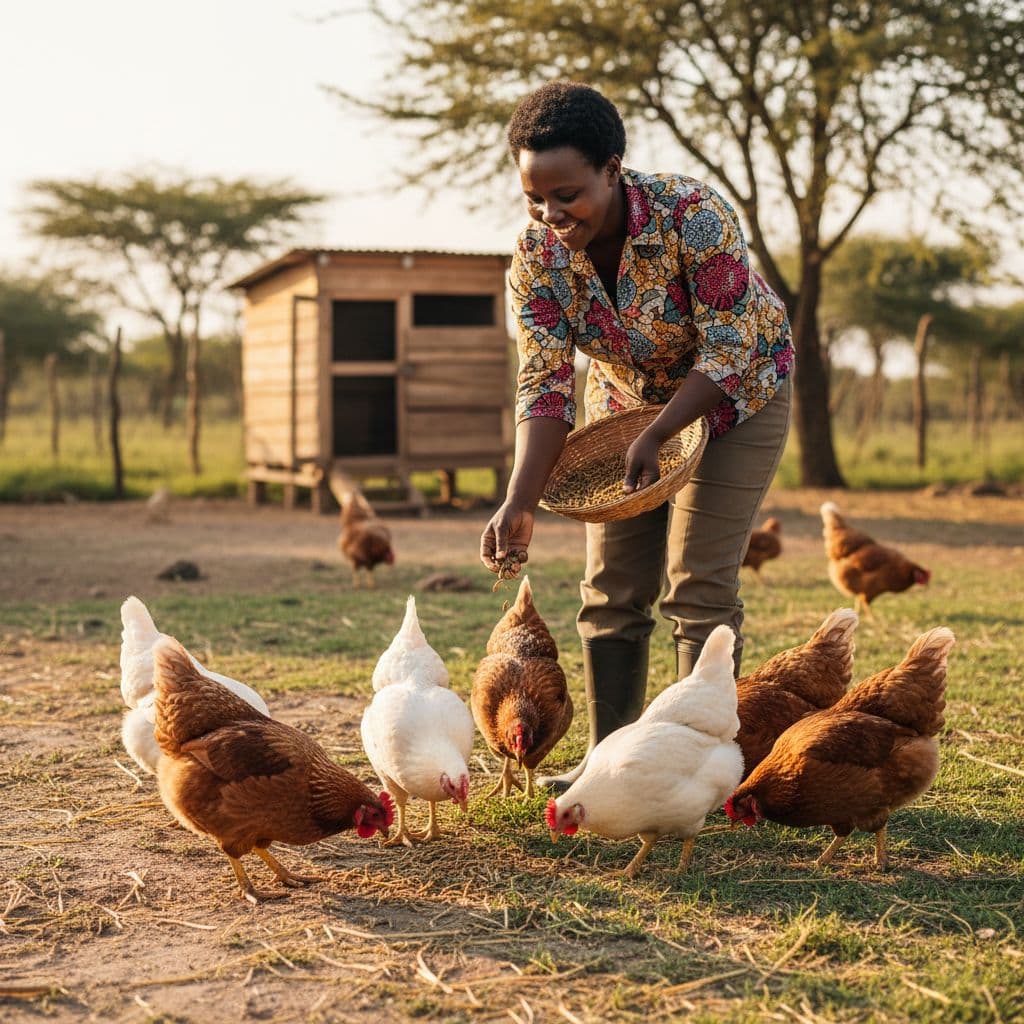
For poultry, these insects are best used as a supplementary treat or top-up feed. They add protein, which helps chicks grow, supports feather development during molting, and gives laying hens extra support during high-demand periods. While commercial mealworm feed is widely available, local high-quality stock is often preferred by farmers who want to enhance the Kienyeji taste of their poultry products for the premium market. They also work well when chicken are recovering from stress, poor weather, or a rough season.
Farmers often use small amounts to improve feeding response. Birds usually peck more eagerly when these snacks are included, so they can help with weak appetites or picky eaters. That said, they should never replace layer mash, growers, or other complete poultry feed.
A practical feeding habit is simple:
- Offer these treats after the main feed.
- Keep portions modest.
- Use them more often during growth, laying, or recovery.
- Make sure clean water is always available.
Mealworms help most when they support a balanced ration, not when they take its place.
Research on yellow mealworm use in poultry diets has shown that insects can support growth and feed use in poultry, which matches what many small farmers see in practice. A review in Springer’s poultry feed analysis also notes the value of these insects as an alternative protein source in poultry diets.
Feeding mealworms to wild birds and pet birds
Bird watchers often use them to bring wild birds closer to feeders. The moving worms are hard for many birds to ignore, and that makes them useful when natural food is thin. In dry spells, cold weather, or breeding season, these insects can help birds keep up their energy.
Pet bird owners also use them as a protein-rich treat. Birds that are nesting, raising chicks, or regaining strength after stress often benefit from the extra nutrition. The key is to feed them in moderation, alongside the bird’s normal diet.
These insects are especially helpful when birds need a little more support, such as:
- Breeding season when adult birds feed chicks more often.
- Molting periods when feather growth demands extra protein.
- Low-food periods when insects and seeds are harder to find.
- Recovery periods after illness, transport, or heavy stress.
Wild birds and pets respond well when snacks are offered cleanly and consistently. For bird owners, a shallow dish or feeder tray works well. For watchers, a small daily offering can keep birds returning without overfeeding them.
Storing mealworms so they stay useful longer
Storage depends on the product type. Dried stock should stay in a cool, dry place, away from sunlight and moisture. Keep the pack sealed tightly after opening, because damp air can spoil the texture and shorten shelf life.
Live stock needs more care. Handle them gently, keep them cool, and avoid leaving them in heat for long periods. Use a ventilated container and check them often so they stay active and healthy until feeding time.
A few simple habits make storage easier:
- Keep dried options in an airtight container.
- Store live insects in a cool, shaded place.
- Avoid wet hands or damp tools when scooping feed.
- Buy quantities you can use before quality drops.
When you buy mealworms, Kenya farmers and bird owners can use them well if the real value comes from handling them properly. Good feeding habits and simple storage keep the product useful, the birds interested, and the money well spent.
A simple way to order mealworms in Kenya without mistakes
The easiest way to buy mealworms Kenya buyers trust is to follow a clear path, not a rushed one. When you know what you need, confirm the details, and start with a small order, you cut down on wasted money and avoid poor-quality stock.
A good order feels almost boring in the best way. The product matches the plan, the seller answers your questions, and the delivery arrives as expected.
### Decide what you need before you shop
Start with the animal you are feeding. Chickens, wild birds, pet birds, fish, and reptiles do not always need the same form or amount, so your choice should match the feed use. That simple step keeps you from buying a pack that looks right but works poorly for your setup.
Next, choose the mealworm type. Live mealworms suit buyers who want active feeding or breeding stock, while dried mealworms suit people who want easy storage and simple handling. After that, estimate how much you need for one week or one feeding cycle, then add only a small buffer.
A quick checklist helps before you place any order:
- Animal type because the feeding goal changes the right product.
- Mealworm form because live and dried stock are used differently.
- Amount needed because small test packs and bulk packs serve different buyers.
- Storage space because live stock and dried stock need different handling.
If you skip this step, you can overspend fast. You may also end up with a product that sits unused because it does not fit your feeding routine.
Contact the seller and confirm the details
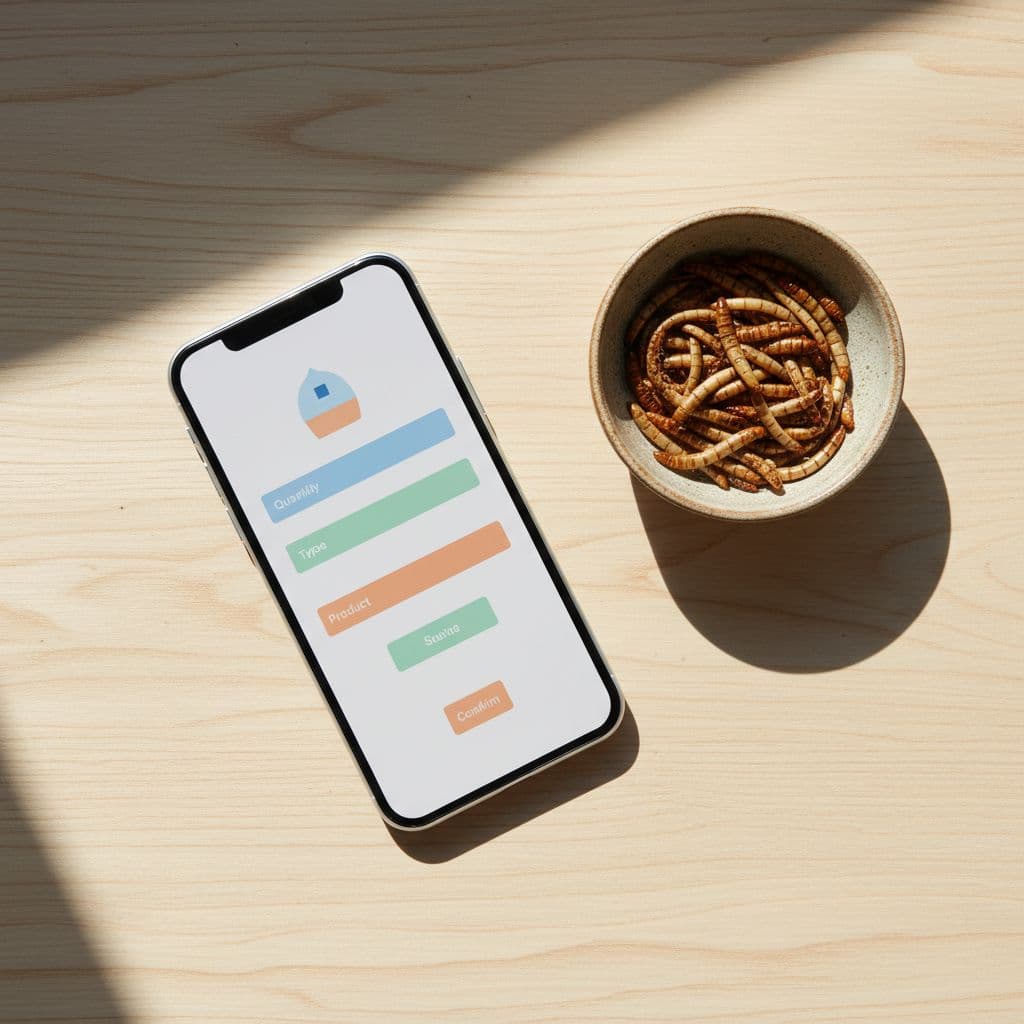
Once you know what you want, message the seller and ask direct questions. Do not send money until you know the price, stock status, delivery area, and payment method. Clear answers now are better than complaints later.
Ask for the exact product name and pack size. If you want live mealworms, confirm that they are active and suitable for your purpose. If you want dried stock, confirm the drying method, packaging, and how long the pack should stay usable.
Before paying, confirm these details in writing:
- The final price, including delivery.
- Whether the stock is available now.
- Your delivery area and expected arrival time.
- The payment method, such as M-Pesa or bank transfer.
- What the seller does if the order arrives damaged.
A seller who gives straight answers is easier to trust. For extra caution, a short contract or written order note also helps when you buy agricultural products online, as explained in guidance on avoiding online buying scams.
If a seller avoids basic questions about stock, price, or delivery, pause the order.
Start small if you are trying mealworms for the first time
Your first order should be a test, not a big bet. A small pack lets you see how your chickens or birds respond before you commit to a larger purchase. It also helps you learn how much they actually eat.
This matters because different animals react differently. Some birds take to mealworms fast, while others need time. A small order keeps the risk low and gives you room to adjust the feeding amount without waste.
Use the first batch to learn three things:
- How quickly the animals eat the mealworms.
- How much to serve at one time.
- Whether live or dried mealworms fit your routine better.
For new buyers, that first order is like a trial run on a farm road. You learn where the bumps are before you drive fast. After that, you can place a larger order with more confidence and less guesswork.
Getting started with mealworm farming
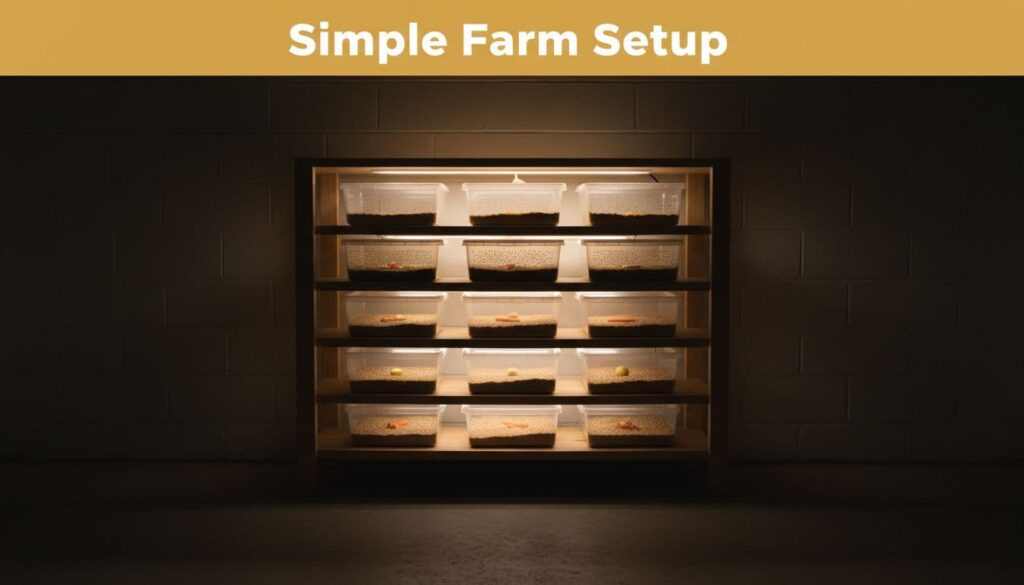
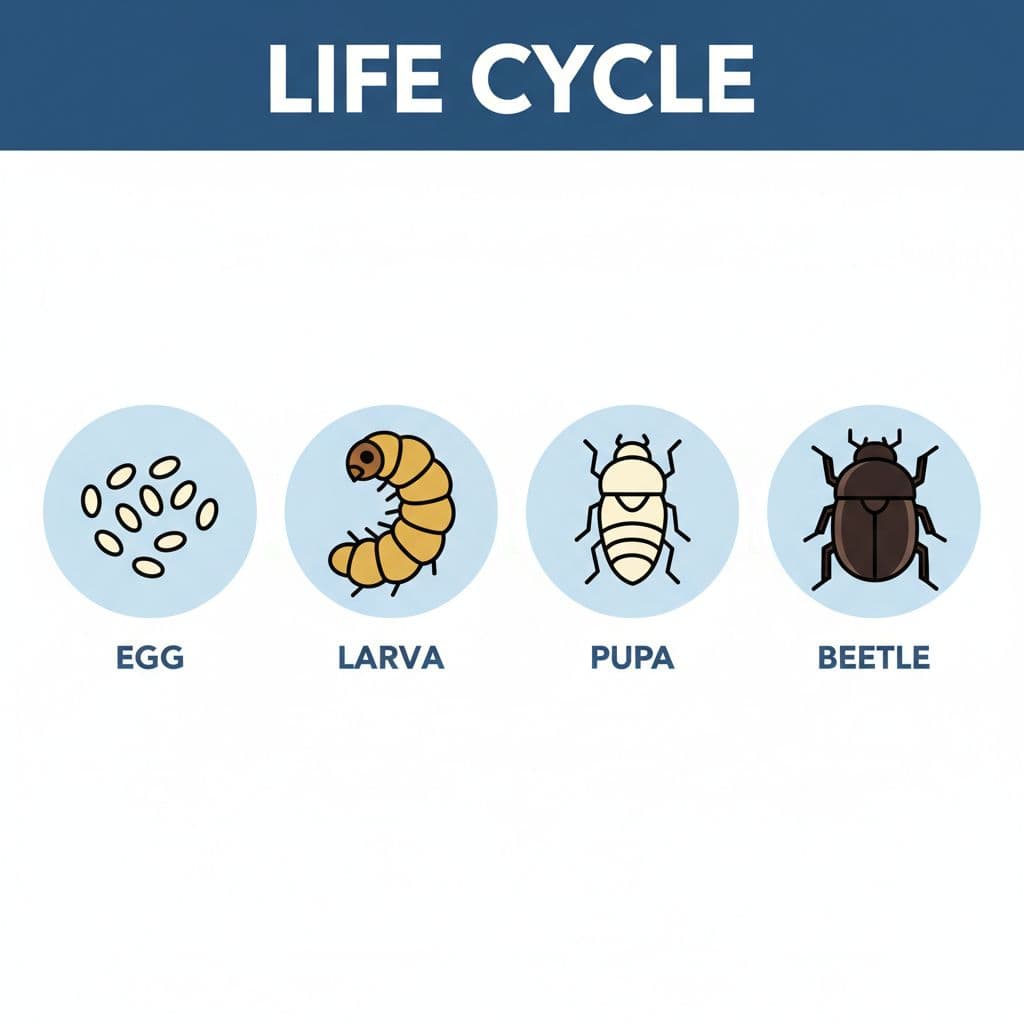
If you decide to scale up your production, mealworm farming is a rewarding project. You will need a suitable container, such as a plastic bin, to serve as the primary enclosure for your colony. This container requires proper ventilation to keep the air fresh. You must maintain the right temperature and humidity levels to encourage consistent breeding. Use a substrate like wheat bran, oats, or cornmeal, ensuring there is no sugar added to the mix. Provide fresh vegetable slices as a moisture source to keep your mealworms healthy. By starting with a small population, you can master the life cycle and scale up your home-grown mealworms effectively.
Frequently Asked Questions
How many mealworms should I feed my chickens?
Mealworms should be treated as a supplement or treat rather than a primary food source. Aim to provide a small handful as a protein boost after they have finished their main ration of layer mash or growers feed.
How do I store my mealworms to prevent spoilage?
Dried mealworms should be kept in an airtight container in a cool, dry place away from direct sunlight. Live mealworms require a well-ventilated container in a cool, shaded area and should be provided with fresh vegetable scraps for moisture.
Can I use mealworms for reptiles and fish?
Yes, mealworms are an excellent high-protein snack for many reptiles and fish. However, you should observe your animal to ensure they prefer the size and texture before committing to bulk purchases.
How long will my dried mealworm order last?
When stored correctly in an airtight, moisture-free container, high-quality dried mealworms can remain fresh for several months. Always check for any signs of mold, dampness, or a sour smell before serving them to your animals.
Conclusion
The best place to source nutrition for your animals depends on your location and whether you prefer live or dried options. Chicken farmers and bird owners get the best results when they check stock first, compare pack sizes, and choose a supplier that understands poultry and bird feeding needs.
That matters because the right seller makes delivery easier and reduces the risk of poor-quality product. A trusted Kenyan supplier also gives you clearer support on storage, feeding, and repeat orders, which saves time once this feed becomes part of your routine.
If you want a simple buying experience, start with a supplier that is close, responsive, and clear about what is available. That is the safest way to buy mealworms in Kenya with confidence.