

Choosing the right mealworm farming training in Kenya is the first step toward self-sufficiency for local agriculturalists. As the cost of inputs continues to climb, many involved in poultry farming are feeling the pressure every week. Expensive protein sources drive up overhead, while poor nutrition often leads to stunted growth and a noticeable drop in egg production.
That is why farmers are turning to insect agriculture as a sustainable solution. It provides chicken keepers, bird owners, and small-scale farmers with an affordable way to produce high protein feed that fits into even the smallest space. Still, successful production does not come from guesswork. You need to master clean habits, proper lifecycle management, and specific environmental controls, which is why learning from a trainer who focuses on real farm practice is essential.
If you are currently comparing options for mealworm farming training in Kenya, focus on the long-term support provided after class. The right course should help you set up your initial colony, manage your chicken feed costs, and avoid common mistakes that waste both time and valuable stock.
Key Takeaways
- Sustainable Feed Solution: Mealworm farming offers Kenyan poultry keepers a cost-effective, high-protein alternative to reduce reliance on expensive commercial inputs.
- Master the Essentials: Successful production requires consistent hygiene, proper moisture control, and a deep understanding of the mealworm lifecycle to avoid common pitfalls like mold and pest infestations.
- Prioritize Practical Training: Seek trainers who provide hands-on experience and working farm demonstrations rather than theory-heavy presentations to ensure you learn real-world maintenance and harvesting techniques.
- Focus on Long-Term Support: The best training programs offer post-class mentorship or follow-up assistance, which is crucial for troubleshooting issues during your first few months of production.
Why mealworm farming is worth learning in Kenya
Mealworm farming sounds simple, and in many ways it is. Yet a few basic mistakes can ruin a batch. Poor airflow, too much moisture, or bad timing can slow growth fast. That is why professional training matters before you invest money or start promising yourself quick results. As sustainable farming gains traction across the country, insect farming has emerged as a reliable way to boost productivity.
How mealworms help lower feed costs
Mealworms provide a high protein feed that chickens eat eagerly. For most farmers, they work best as a supplement, rather than a full replacement for balanced feed. That still matters because a small mealworm unit can help stretch commercial feed and improve overall ration planning when feeding chickens.
There is wider interest in this idea beyond small farms. A comparative review of soy and mealworms in livestock feed looks at why mealworms are gaining ground as an animal feed option. On the farm, the practical point is clear: if you can grow some of your protein source, you gain more control over your feed budget.
Why more Kenyan farmers are paying attention now
Many farmers want feed options they can produce at home. Growing mealworms is an excellent space-saving option that fits easily into spare rooms, shelves, and simple bins. Because they require very little space, they are ideal for small backyard setups or larger, sustainable poultry farming operations.
Kenya’s warm climate is naturally well-suited for insect production, although your rearing space still requires proper airflow and stable moisture levels. Interest is also growing because farmers want cleaner, lower-waste systems that convert organic waste into valuable protein, reducing their reliance on expensive bought inputs. For quail keepers, chicken farmers, and bird owners, mealworms are a highly practical option. Quality training shortens the learning curve and helps you avoid common losses early on.
What the best training should teach you from day one
A strong course starts with the basics and moves fast into daily work. You should leave the first session knowing how to set up a clean space, feed the worms, separate their stages, and use the harvest properly.
Setting up a clean and workable mealworm space
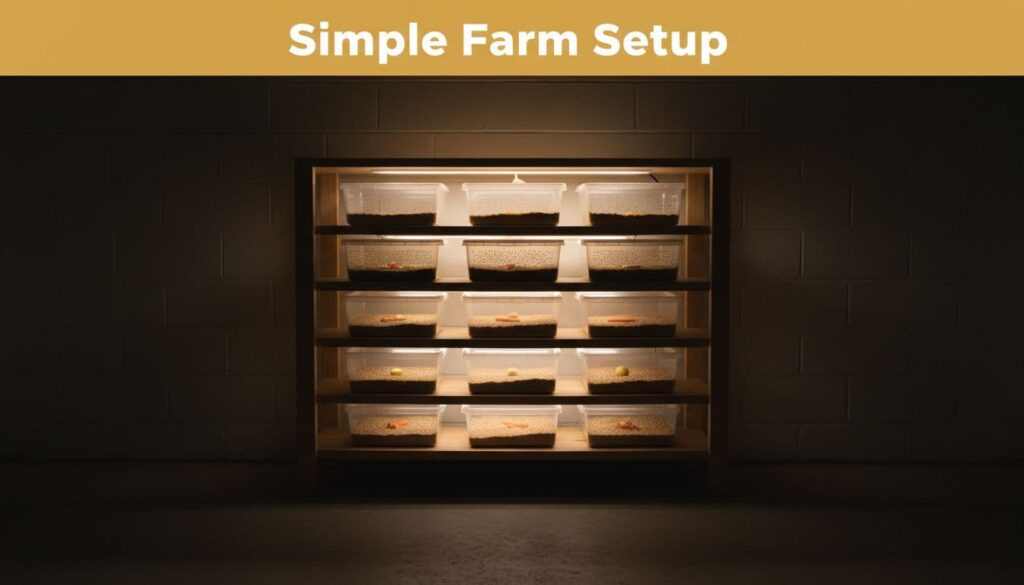
Good training should show you how to prepare containers, choose the right bedding material, and place bins in a dry, safe area. You need to see the actual setup rather than just hearing a theory lesson. The trainer should explain airflow, light control, pest protection, and how to configure beetle bins with a mesh bottom to help eggs drop into separate collection trays. Proper ventilation and organization ensure that your bins remain orderly as your colony grows.

Cleanliness is part of production, not an extra chore. If a course skips container cleaning, moisture control, or pest prevention, beginners are left to guess. That often leads to mold, ants, or wasted stock.
Feeding, watering, and daily care
Beginners need simple rules on feed and hydration. Mealworms usually do well on wheat bran or oats. For moisture, small pieces of vegetable scraps or kitchen waste, such as carrots or potato slices, often work well.
The trainer should explain how much to add, when to remove old scraps, and how to keep the substrate from getting damp. Daily care is not difficult, but it requires consistency. Small mistakes repeated every day become expensive, so learning to manage hydration levels is a critical skill.
Breeding, separating, and harvesting at the right time
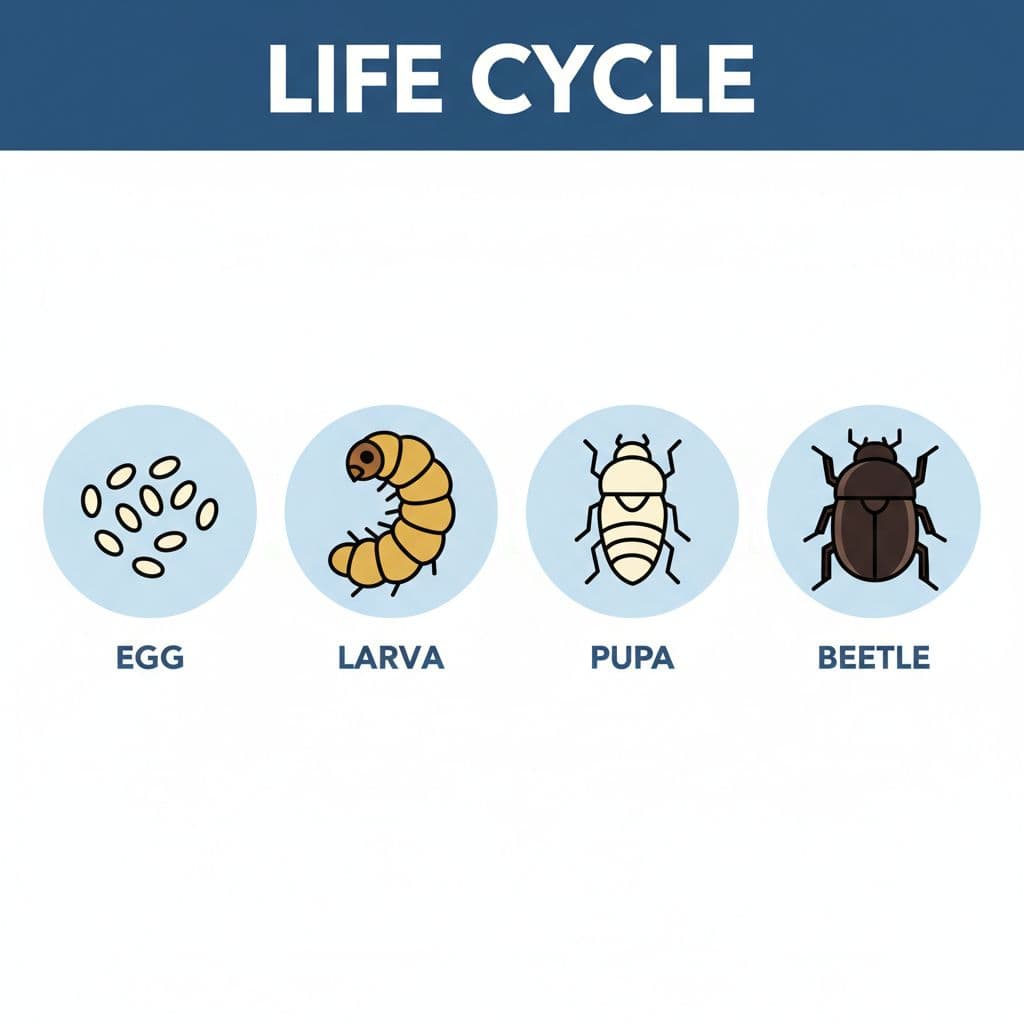
A proper class must teach the full life cycle in clear language. Learners should understand how the insects transition through the egg, larva, pupa stage, and beetle phases, and why each needs different handling. If you mix stages carelessly, production slows and maintenance becomes messy.
Good trainers demonstrate when to separate pupae from the larvae to prevent cannibalism, when beetles should move to fresh bedding, and when large larvae are ready for harvest. Through a standard sifting process, you will learn to separate worms from the substrate and collect the frass. This waste material is highly valuable as an organic fertilizer or nutrient-rich compost for your garden.
How to use mealworms in poultry feed safely
This is where weak courses often fall short. Breeding alone is not enough. The training should connect mealworm farming to the practicalities of feeding chickens, including safe daily portions, clean storage, and how to mix these insects into an existing diet.
A useful lesson will state clearly that mealworms are a protein boost, not a full diet for your birds. That matches practical advice on feeding mealworms to chickens, which stresses moderation. A trainer should also discuss drying methods, hygiene, and gradual feed changes so your flock adjusts well to this high-protein supplement.
Good training should leave you ready to manage a few bins without guessing about feed, moisture, or harvest time.
How to tell if a mealworm farming trainer is trustworthy
Before you pay, test the trainer the way you would test any farm input. Clear answers, visible results, and honest limits matter more than a polished flyer.
Look for real farm experience, not just theory
The best trainers have a working mealworm farm setup you can inspect. They should show active bins, healthy breeding stock, and a routine that makes sense. You want someone who has experience in growing mealworms and has handled common problems, such as damp bedding, slow growth, low hatch rates, or pest attacks.
A person who knows both insect farming and training farmers to succeed in poultry feeding will give better advice than someone who only repeats general facts. Practical experience shows up in the small details, and those details are what save beginners.
Ask for farmer reviews and past results
Ask what former learners did after training. Good feedback sounds ordinary and believable. A farmer started with a few bins, reduced waste, improved flock feeding, or sold extra stock to nearby keepers. Those are the kind of results that matter.
Try to get feedback from actual farmers, not only social media comments chosen by the trainer. If possible, ask whether the course included support after class and whether the trainer answered follow-up questions.
Watch out for big promises with no proof
Be careful with trainers who sell fast profit stories. Mealworms can help your agribusiness, but they still need routine work and patience. If someone cannot explain hygiene, startup needs, or common losses, that is a warning sign.
Weak providers also avoid farm visits or rush through key topics. Claims about nutrition and safe use should line up with published evidence, such as this review of insect protein in poultry nutrition. If the answers stay vague, move on.
How to Compare Mealworm Farming Training in Kenya
Once you have shortlisted a few options, compare them side by side. Price matters, but true value depends on what happens during and after the course.
Here is a simple way to compare providers quickly:
| What to compare | Good sign | Why it matters |
|---|---|---|
| Price | Fee matches demos, materials, or starter stock | Cheap courses can lead to extra costs in commercial production |
| Duration | Enough time for setup, breeding mealworms, and feeding | Short sessions often skip critical routine work |
| Location | Easy travel or clear online support | Transport costs can turn a home-based mealworm farm into a burden |
The best value is usually the course that helps you start well, not the one with the lowest fee.
Price, duration, and location
Do not judge by price alone. A short session far from home may cost more once you add transport and time away from your work. Meanwhile, a higher fee can make sense if it includes farm access, training manuals, or starter insects to help you launch your mealworm farm.
Ask how long the training lasts and how much of it is practical. A course that attempts to cover setup, breeding, harvesting, and feeding in a rushed session may leave too many gaps for those interested in serious commercial production.
Training costs vary widely depending on the provider, the length of the course, and whether it includes practical materials like starter kits or ongoing mentorship. While you may find budget-friendly sessions starting from a few thousand shillings, higher fees often reflect more comprehensive hands-on practice, site visits, or access to post-training support. Always prioritize what is included in the price, such as breeding stock or after-class guidance, rather than choosing based on the lowest fee alone.
Hands-on learning, notes, and follow-up help
Beginners remember what they see and do. Choose a course with live demos, written notes, and simple videos you can check later. Those materials help when you forget a step at home.
Follow-up support also matters. A WhatsApp group, phone support, or a return visit can help you fix early mistakes before they spread through the whole system.
Farm visits and mentor support after training
A farm visit shows you the real workflow. You can see how bins are arranged, how stock is separated, and how clean harvesting happens. Slides rarely teach that well.
Mentor support is most useful in the first month. That is when beginners notice mold, weak beetles, or confusing harvest timing. A trainer who still answers your questions after class is often worth the extra cost.
Where Kenyan farmers can start looking for the right training
You do not need to search blindly. A few channels can help you compare mealworm farming courses in Kenya without wasting time.
You can begin your search by contacting your local county agricultural extension officers, as they often maintain lists of certified instructors. Additionally, connecting with established local poultry cooperatives or active Facebook and WhatsApp farming groups can provide direct leads and honest peer reviews. Always prioritize providers who offer hands-on farm demonstrations rather than theory-heavy presentations.
Local poultry groups and agricultural trainers
Start close to home. County extension officers, poultry groups, and local farm trainers often know who teaches practical insect farming effectively. They may also know which courses are active and which ones are most respected by those training farmers in your region.
That local input matters because it reflects real farm conditions, transport needs, and what nearby farmers have experienced when breeding mealworms.
Online lessons and farmer communities
YouTube is useful for checking teaching style before you pay for a class. Meanwhile, WhatsApp and Facebook groups can reveal honest feedback, photos, and current pricing. Farmers often share what worked, what failed, and who provides the best support regarding the market value of their harvest.
Still, online advice should be a filter, not final proof. Confirm that the trainer has a working setup and can teach you how to maintain a sustainable production cycle beyond the basics.
Training providers with insect farming knowledge
Choose mentors who understand more than just the insect itself. They should know breeding cycles, hygiene, simple feed use, and how to integrate these high-protein larvae into existing poultry systems. That link between insect farming production and farm use is what turns a short course into a truly useful asset for your business.
If the trainer can explain both the breeding bins and the bird, you are in safer hands for your future success.
Frequently Asked Questions
How much space do I need to start a mealworm farm?
Mealworm farming is highly space-efficient and can be started on simple shelves or in spare rooms. Because the setup uses stacked bins or trays, even a small backyard corner or a modest indoor area is sufficient to support a productive colony.
Can mealworms replace all my chicken feed?
No, mealworms should be used as a protein-rich supplement rather than a complete diet. They are excellent for stretching your commercial feed budget and improving bird nutrition, but they must be integrated into a balanced ration.
How long does it take to get my first harvest?
From egg to harvestable larva, the process generally takes several weeks depending on environmental conditions like temperature and humidity. A well-structured training course will teach you how to time your harvests correctly to ensure a continuous supply for your flock.
Do I need special equipment to keep my mealworms clean?
Basic equipment includes well-ventilated plastic containers, appropriate bedding like wheat bran, and fine mesh screens for separating larvae from waste. Your trainer should demonstrate how to set up these items to ensure proper airflow and pest protection.
Conclusion
The best mealworm farming training in Kenya is practical, honest, and tied to daily farm work. By enrolling in a quality program, you will learn the essential steps for setup, routine care, breeding, harvest, and safe processing.
A well-managed mealworm farm provides a consistent, high-protein supply of chicken feed, which is a game-changer for those focused on sustainable poultry farming. Investing in the right training ensures your project contributes to broader sustainable farming goals while lowering your overall production costs. Ultimately, trainer experience, hands-on support, and follow-up assistance matter more than bold promises. Compare your options carefully, then choose the course that helps you start small, learn fast, and grow your operation with confidence.